InOneMediaInOneMedia
Contact
  • Home
  • Services
    • Equipment
  • Company
    • About us
    • News Section
    • Productions
  • Contact
  • Home
  • Services
    • Equipment
  • Company
    • About us
    • News Section
    • Productions
  • Contact
Wir sind auf der Bahn - ein essayistischer Dokumentarfilm von Jasmin Lakatoš
Wir sind auf der Bahn
  • 27. April 2026/
  • Posted by: Carolin Redenz/
  • 0 comments /
  • Under:
Wir sind auf der Bahn

D 2026

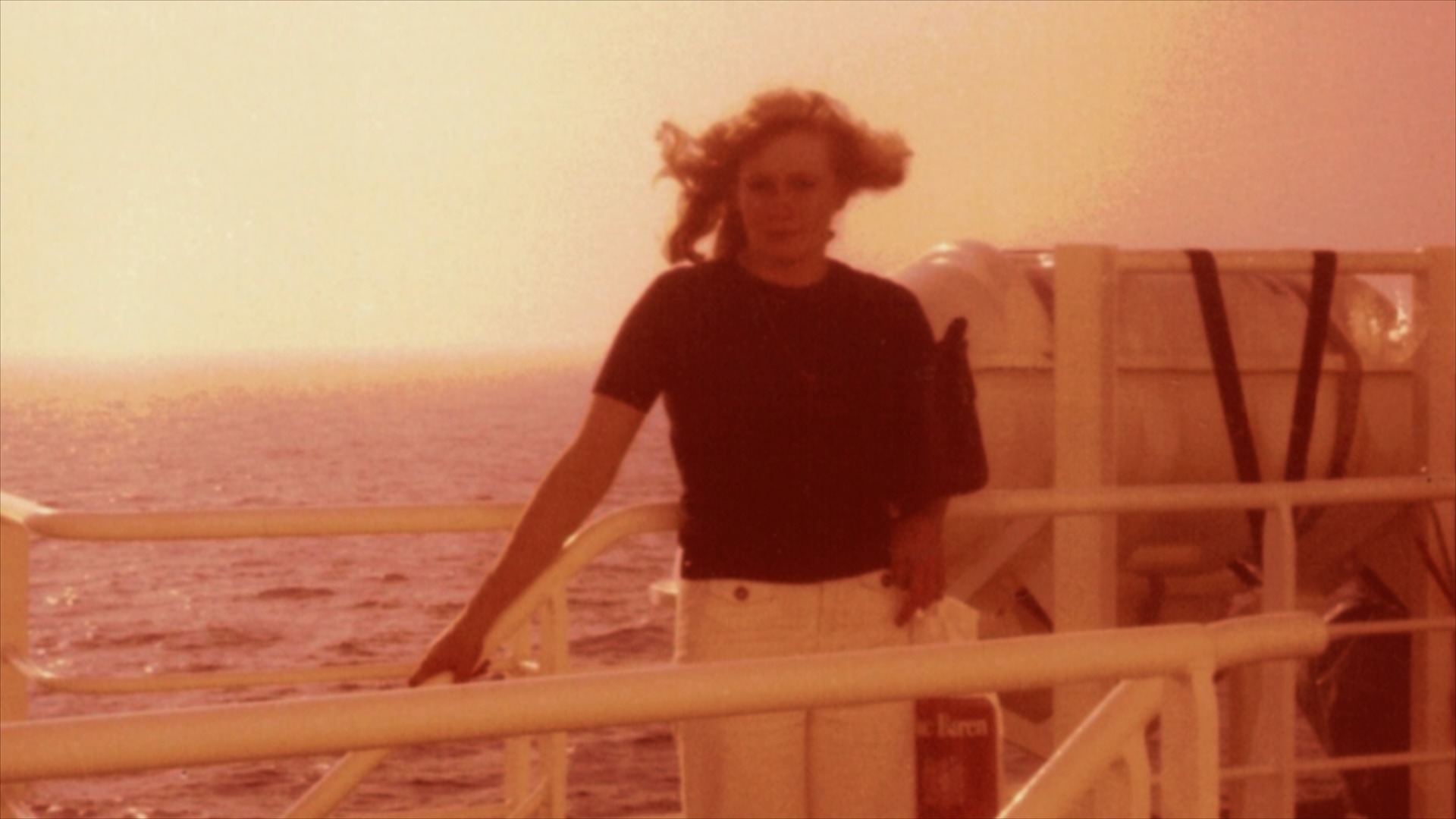
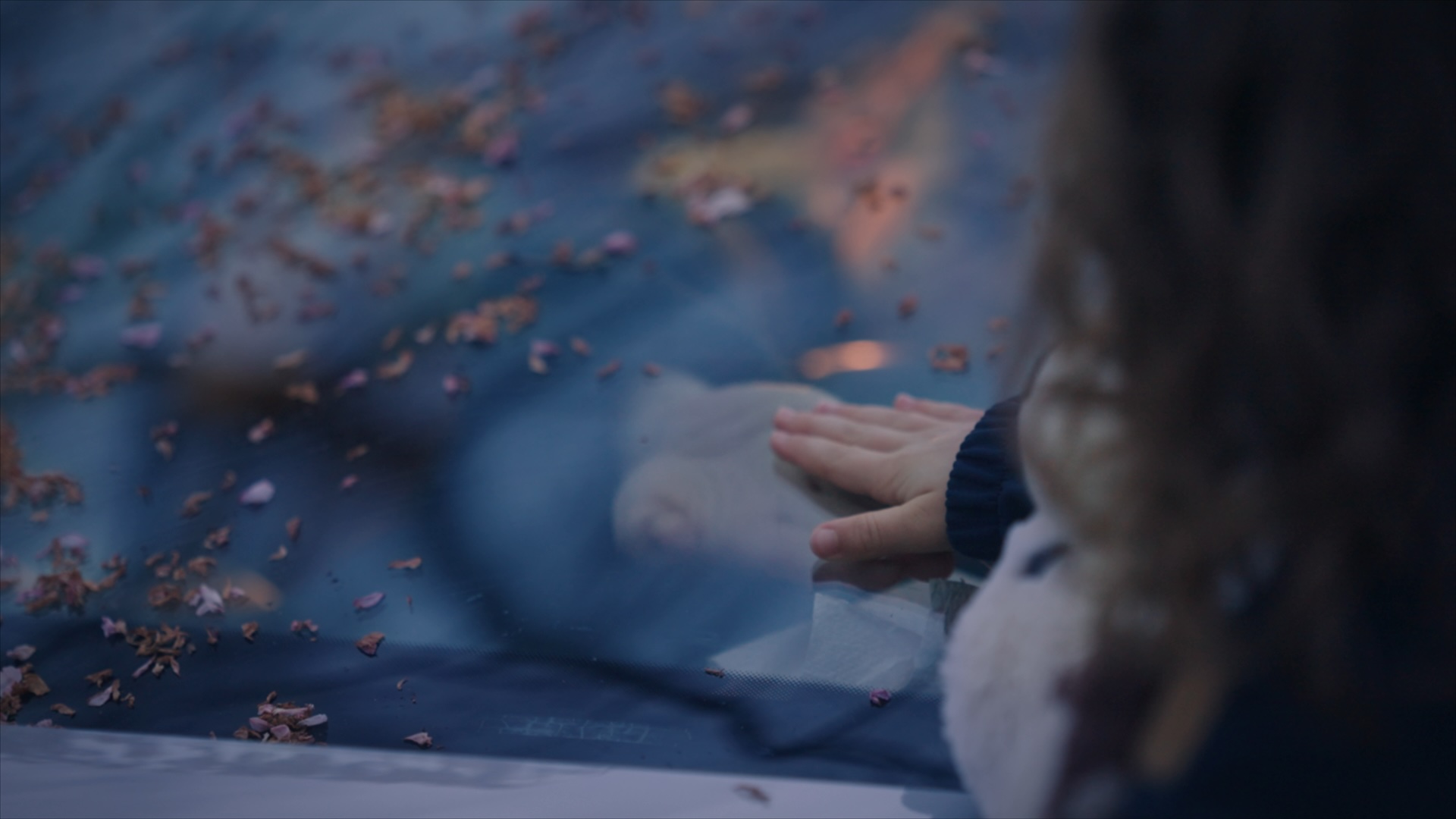
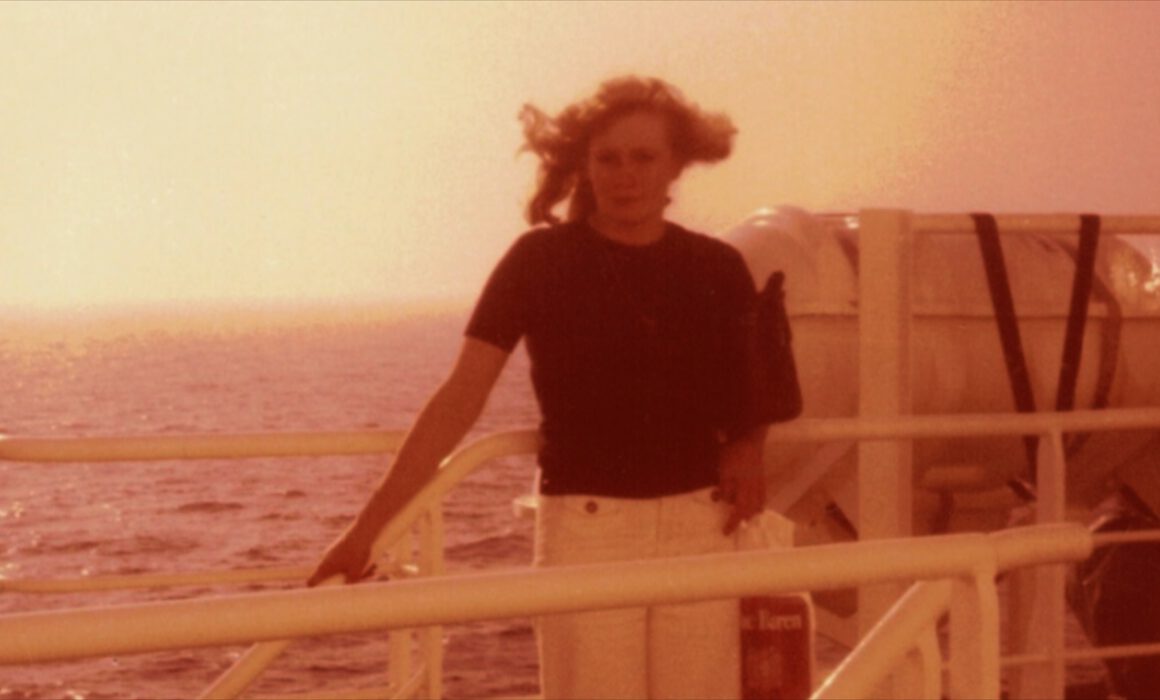
Wie kommt eine Erinnerung und warum geht sie fort? Die mich quält bleibt, die ich halten will, geht.

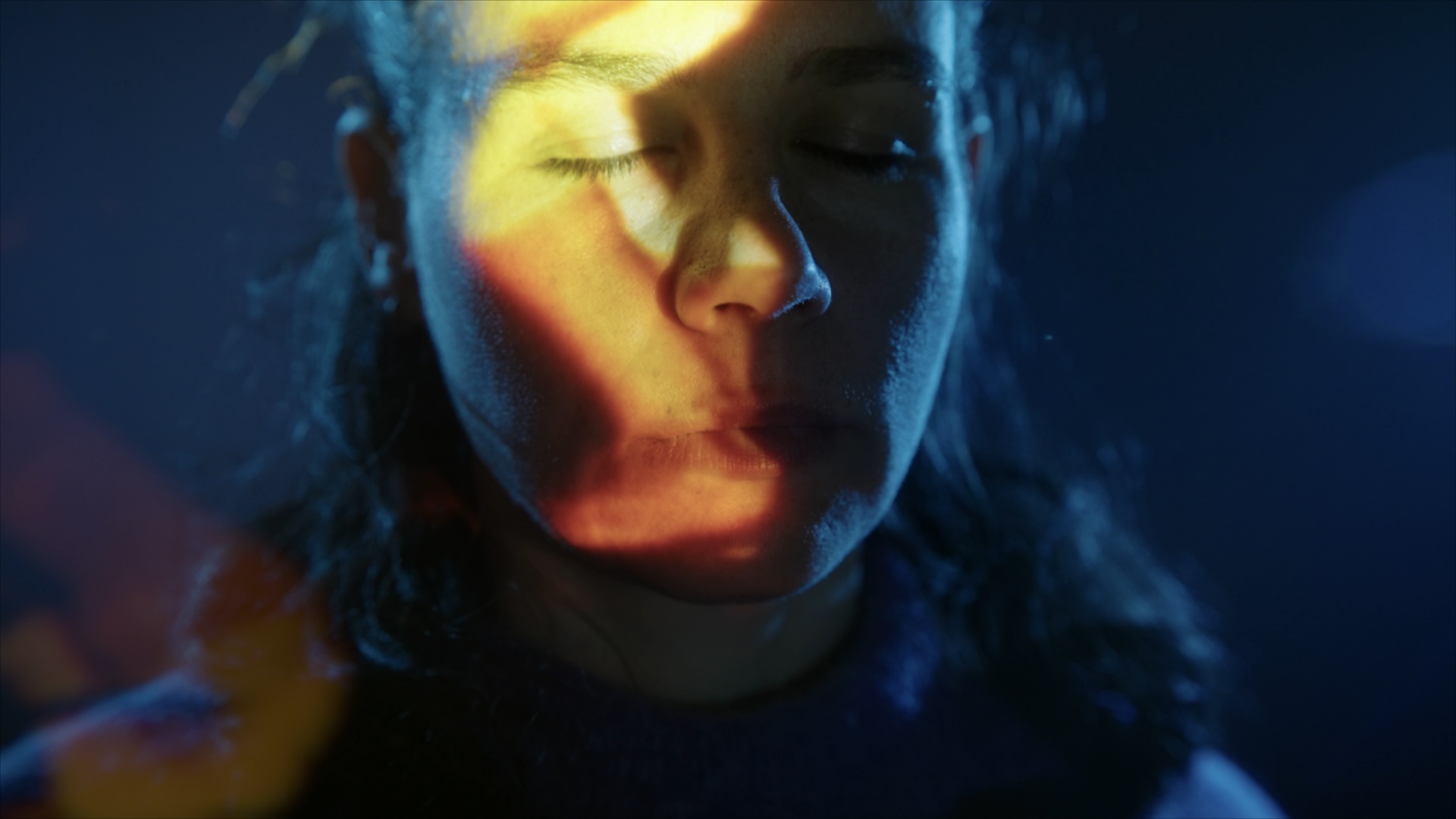
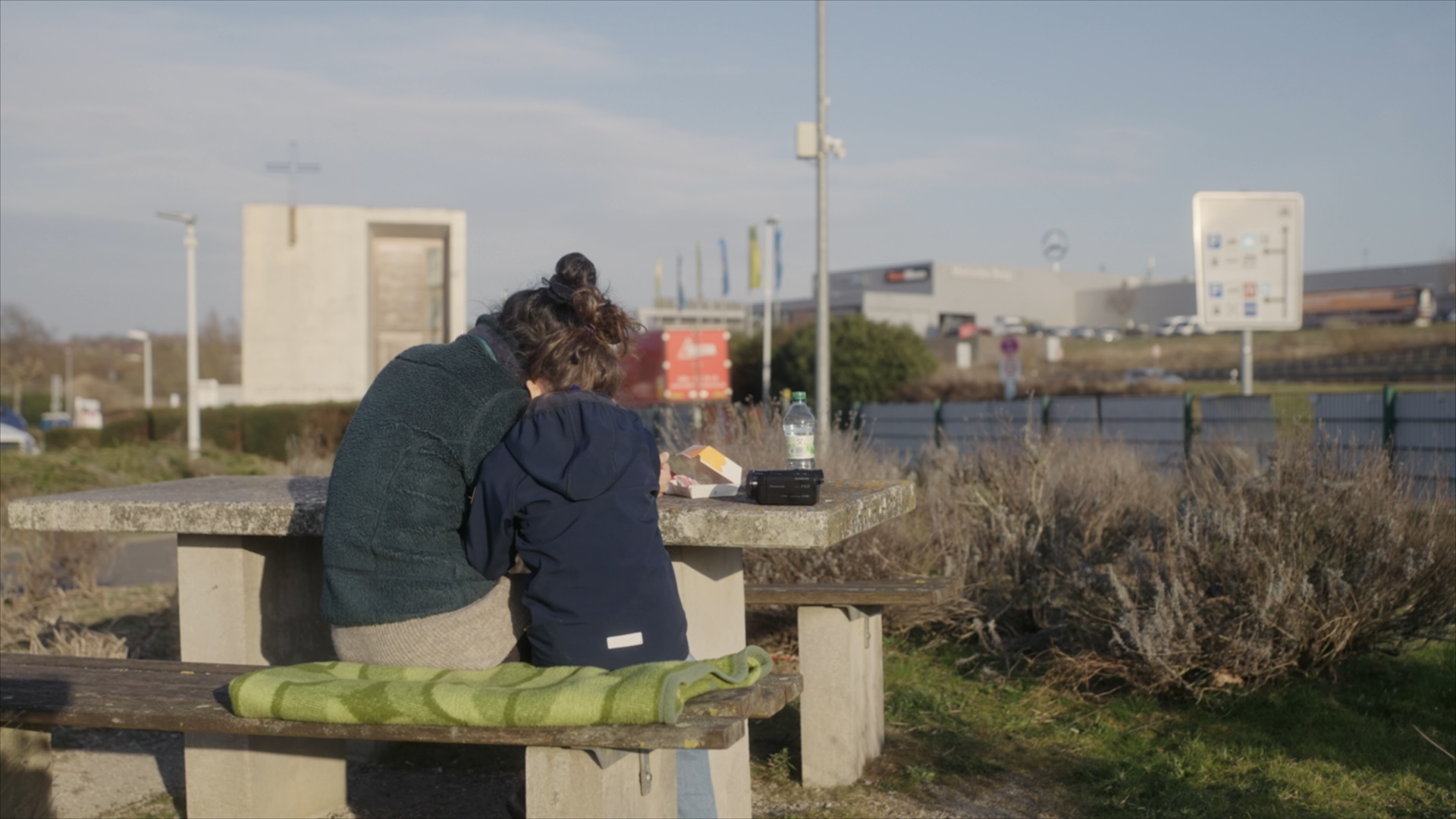
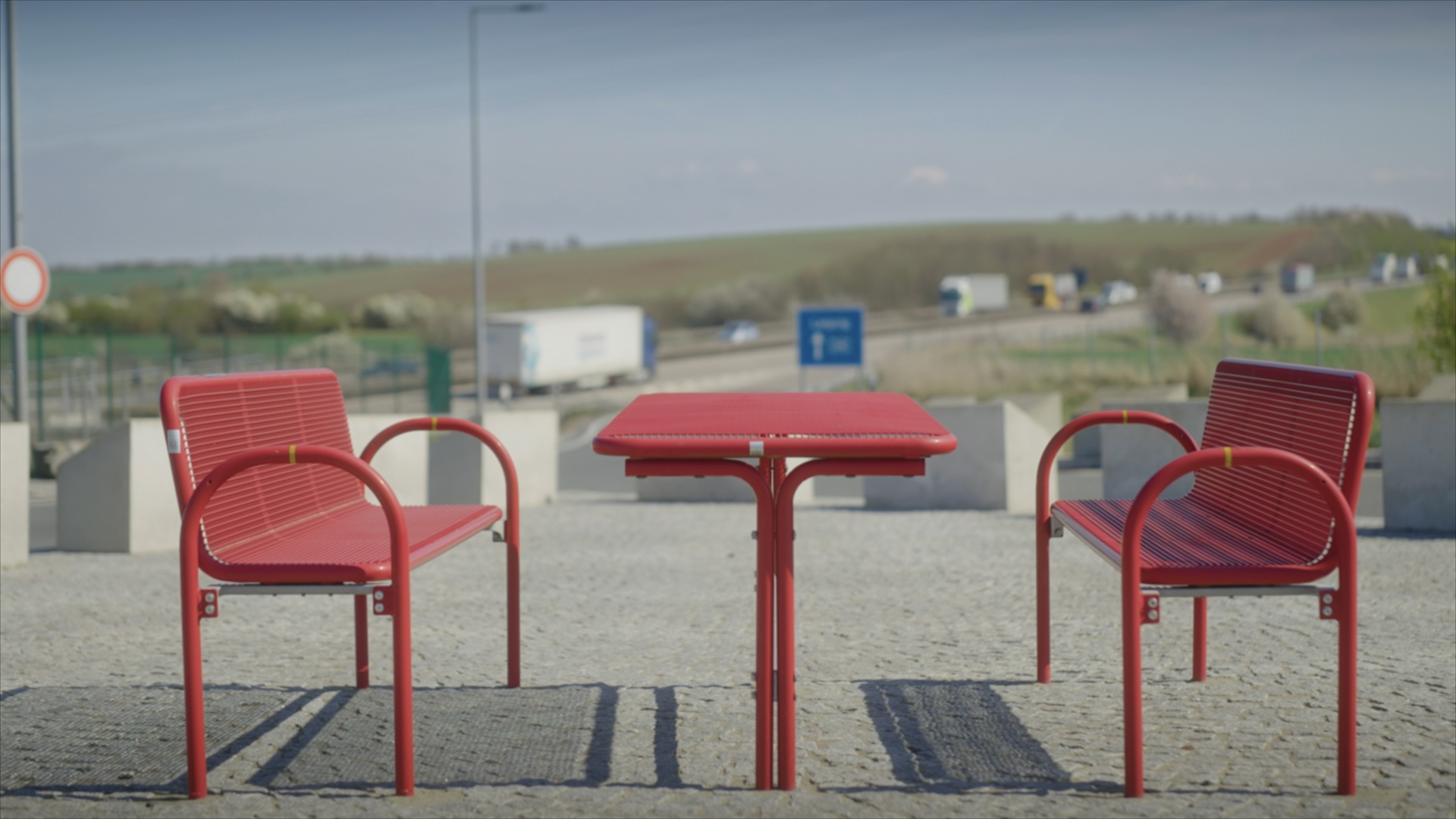
Der Krebs nimmt die Mutter, die Tochter will sie nicht verlieren. Wann wird es das letzte Mal sein, dass sie mit ihrer Tochter die 500 Kilometer zur Mutter fährt? Die Autobahn wird zum Ort des Gedankenflusses. Rastplätze formen neue Rituale zwischen Hoffnung, Erschöpfung und Nähe.

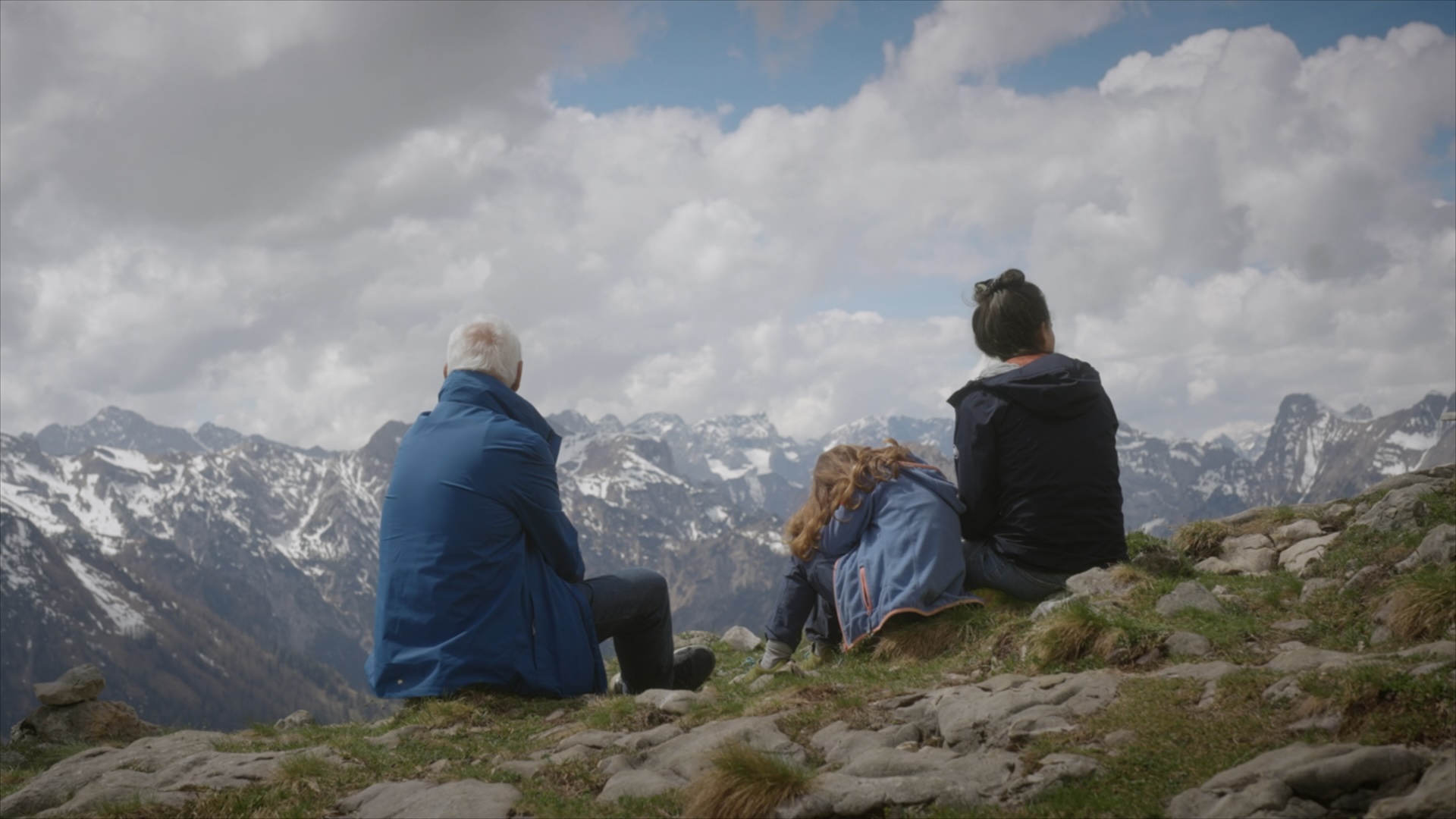
Die Autobahnkirchen zeigen Mimi, dass sie mit ihrer Aufgabe nicht allein ist. Während sie Erinnerungen bewahren will, lebt das Kind im Moment und führt schlussendlich alle zusammen.

Der essayistische Dokumentarfilm verwebt beiläufige Momente im Zusammenspiel dreier Generationen und macht erlebbar, wie liebevolle Erinnerungen entstehen. Eine Beobachtungsreise entlang der Frage, die alle betrifft: Was bleibt von der Mutter? Und was bleibt vom Weg?

Governments

Jasmin Lakatoš

Production

In one media

Technical data

Länge: 78 min

Category

Documentaries and television reportage

Share This

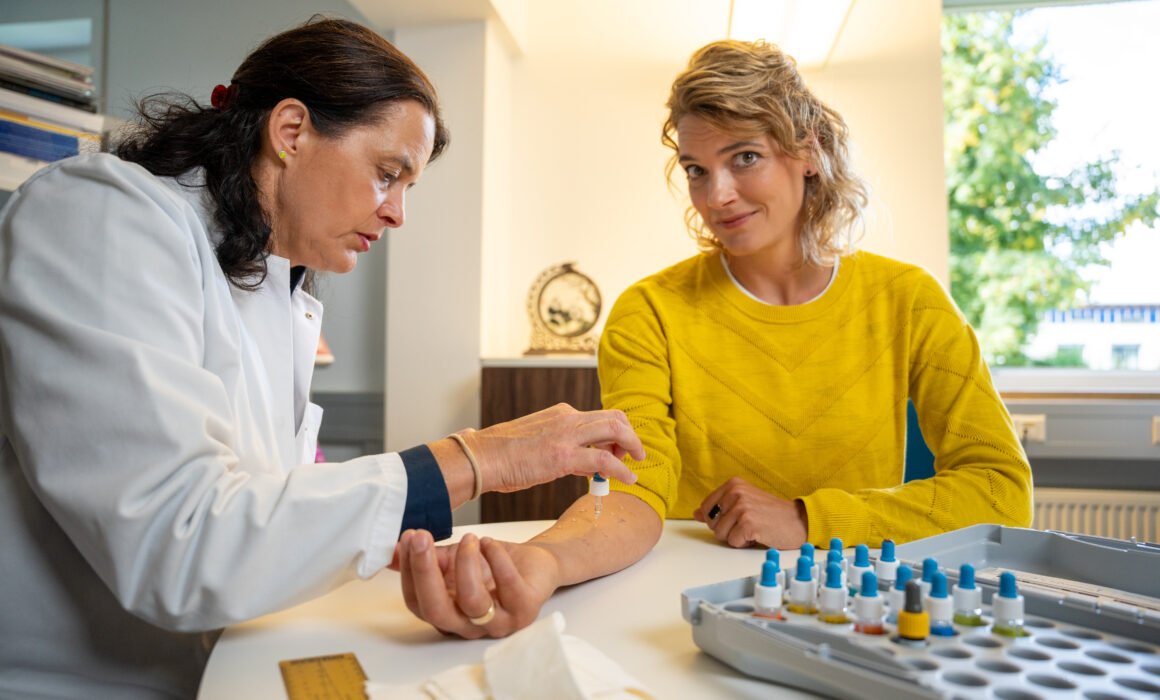
Looking for clues: What kind of allergy do you have?

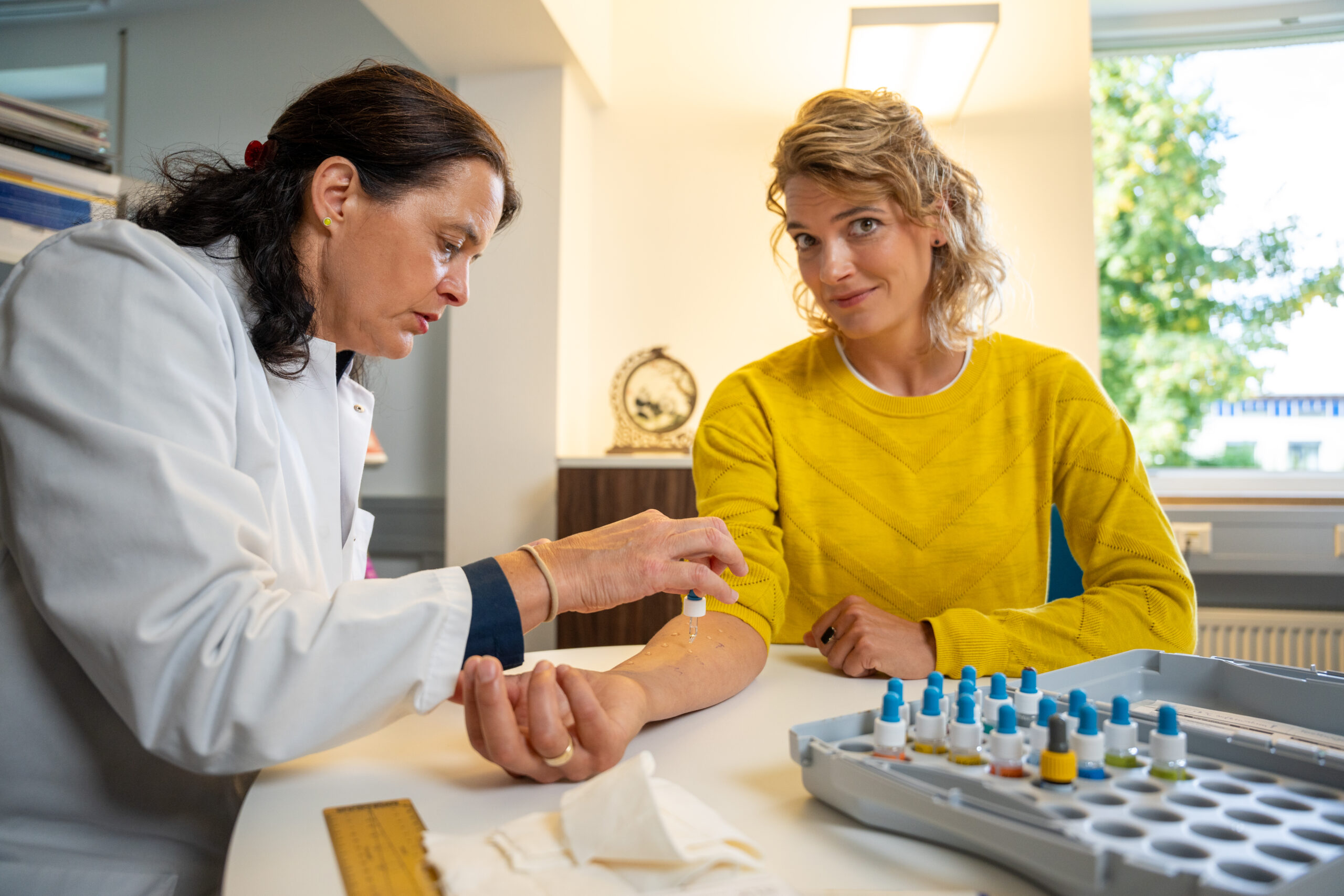
Augsburg University Hospital: Dr. Traidl Hoffmann performs a prick test on Lena Ganschow; camera: Marcus Zahn @Abrecht Elstermann-InOneMedia
Looking for clues: What kind of allergy do you have?
  • April 1, 2026/
  • Posted by: Carolin Redenz/
  • 0 comments /
  • Under:
What kind of allergy do you have?

D 2026

Early summer—for many, the most beautiful time of the year. Everything is in bloom and fragrant. We’re drawn outdoors to enjoy the sun and nature. But that’s exactly when millions of people experience the most agonizing time of the year: they suffer from pollen allergies, or hay fever.

Allergies are among the most common diseases worldwide today, and the number of people affected is rising. In Germany, about one-third of the population is already affected. By 2050, half of the world’s population could be suffering from allergic diseases—meaning one in two people in Germany. But why are allergies increasing so dramatically? What happens in the body? What role do the environment, climate change, our diet, and lifestyle play? Where do medicine and research stand?

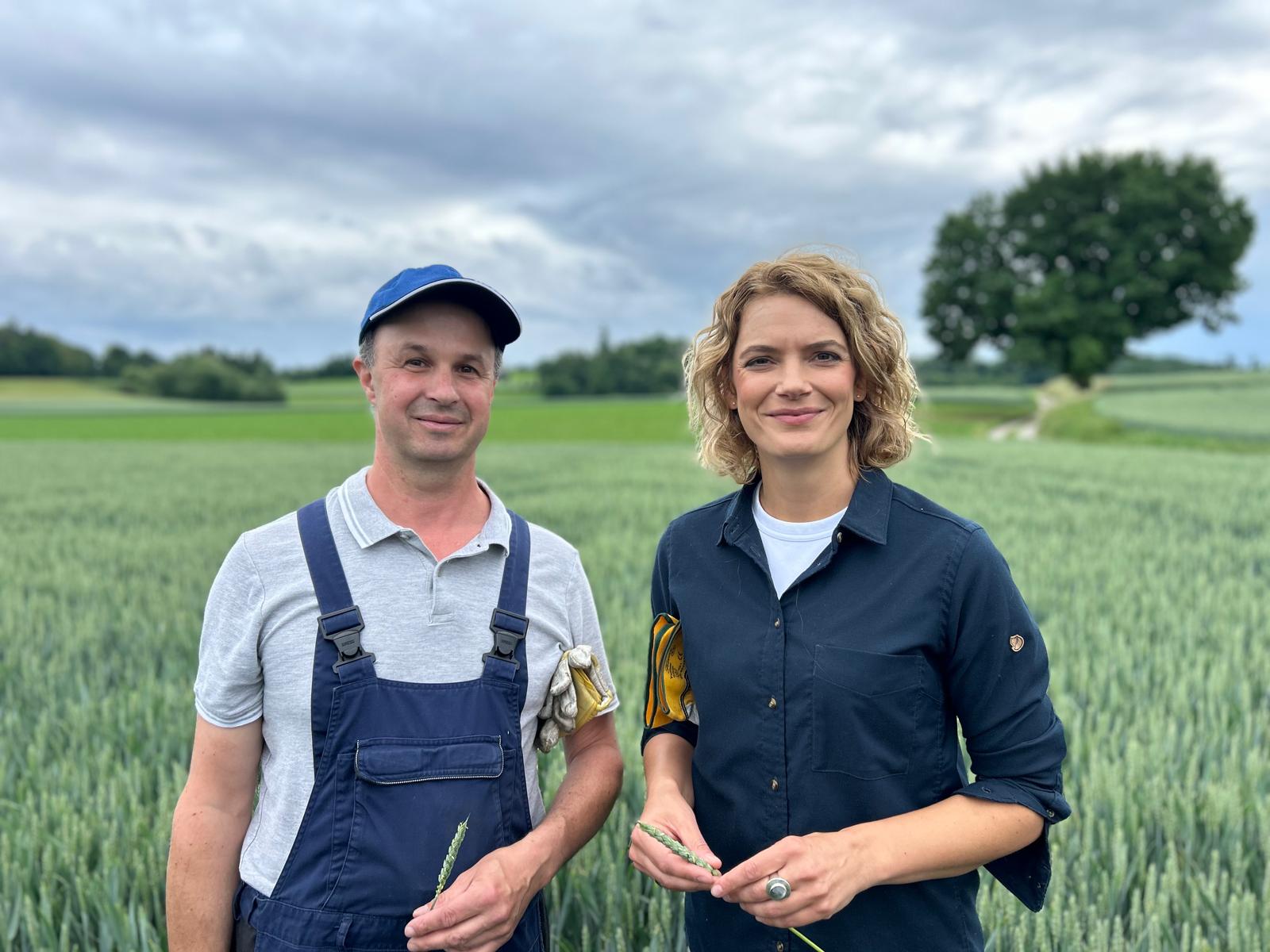
Science journalist and trained biologist Lena Ganschow explores these questions. For the ARD WISSEN program “Auf Spurensuche,” she speaks with people affected by these conditions. She meets a tax consultant who suffers from multiple allergies, has undergone many unsuccessful treatments, and is now experiencing relief for the first time thanks to a new therapy. She visits a farmer with hay fever and a cattle hair allergy who had to restructure his business due to his allergies—as well as a young woman with a food allergy who now only eats what she has cooked herself. No restaurant visits, and she even turns down invitations to eat at friends’ homes. Her fear of an allergic shock is simply too great.

The film focuses primarily on pollen allergies (hay fever) and food allergies. To explore these topics, Lena Ganschow interviews two of Germany’s most renowned allergy researchers: Prof. Claudia Traidl-Hoffmann, professor of environmental medicine at the University of Augsburg and director of the Institute of Environmental Medicine at the Helmholtz Zentrum München, and Prof. Torsten Zuberbier, director of the Institute of Allergy Research at Charité Berlin, president of the Global Allergy and Asthma Excellence Network, and chairman of the European Centre for Allergy Research Foundation (ECARF).

Zuberbier and his team are studying the gut microbiome to understand how modern lifestyles and diets might be linked to the development of allergies. Traidl-Hoffmann is investigating the effects of climate change on pollen and, consequently, on pollen allergies.

This film shows that allergies are the result of a complex interplay between the immune system, the environment, climate, lifestyle, and modern civilization. With better education, smart prevention, new diagnostic tools, and innovative treatments, there is a real chance that we will be able to better manage the widespread problem of allergies in the future.

Client

ARD/ MDR

Governments

Ulrike Reiß, Marcus Fitsch

Production

In one media

Technical data

45 min

Category

Documentaries and television reportage

Share This

Wir sind auf der Bahn
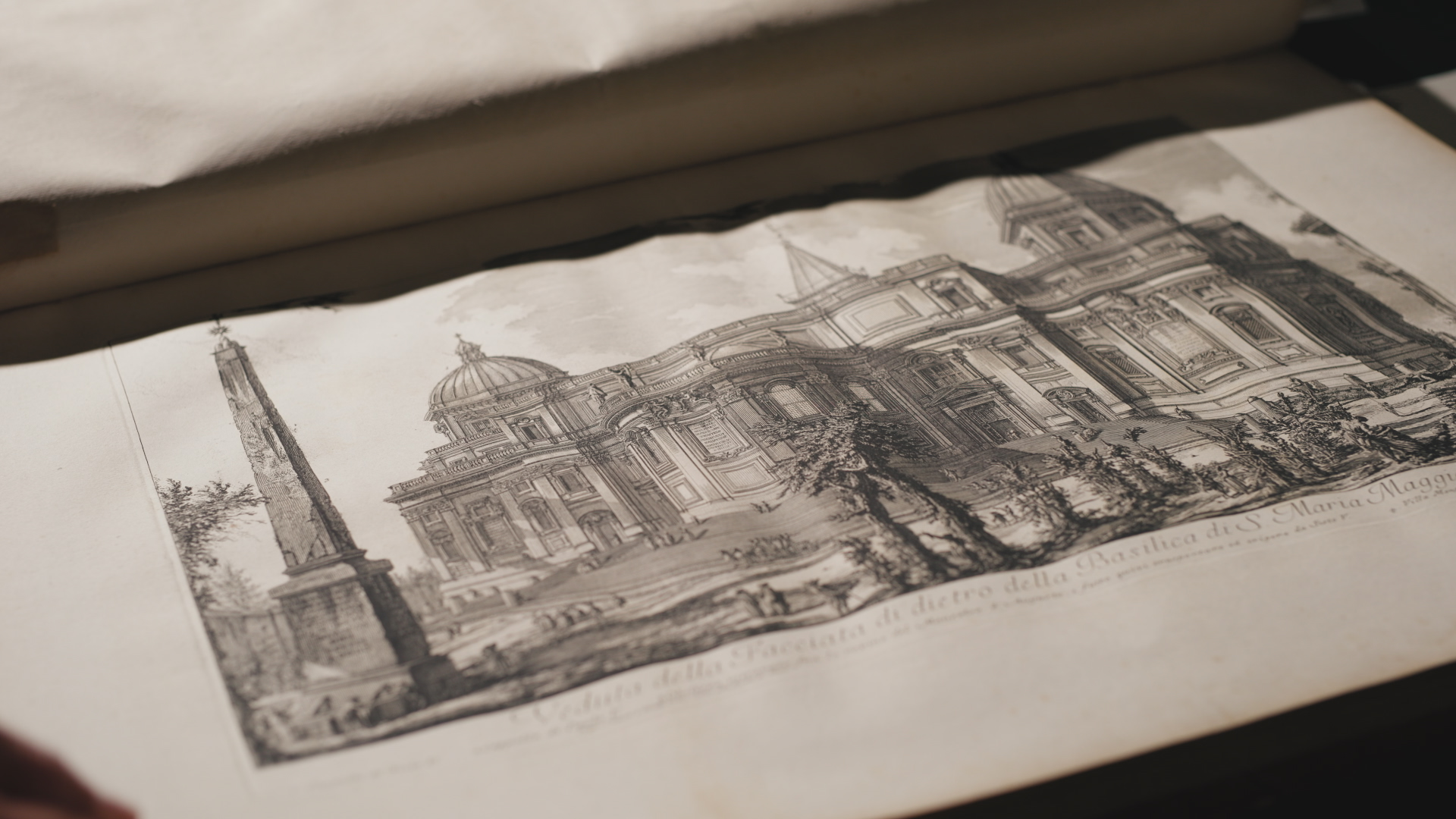
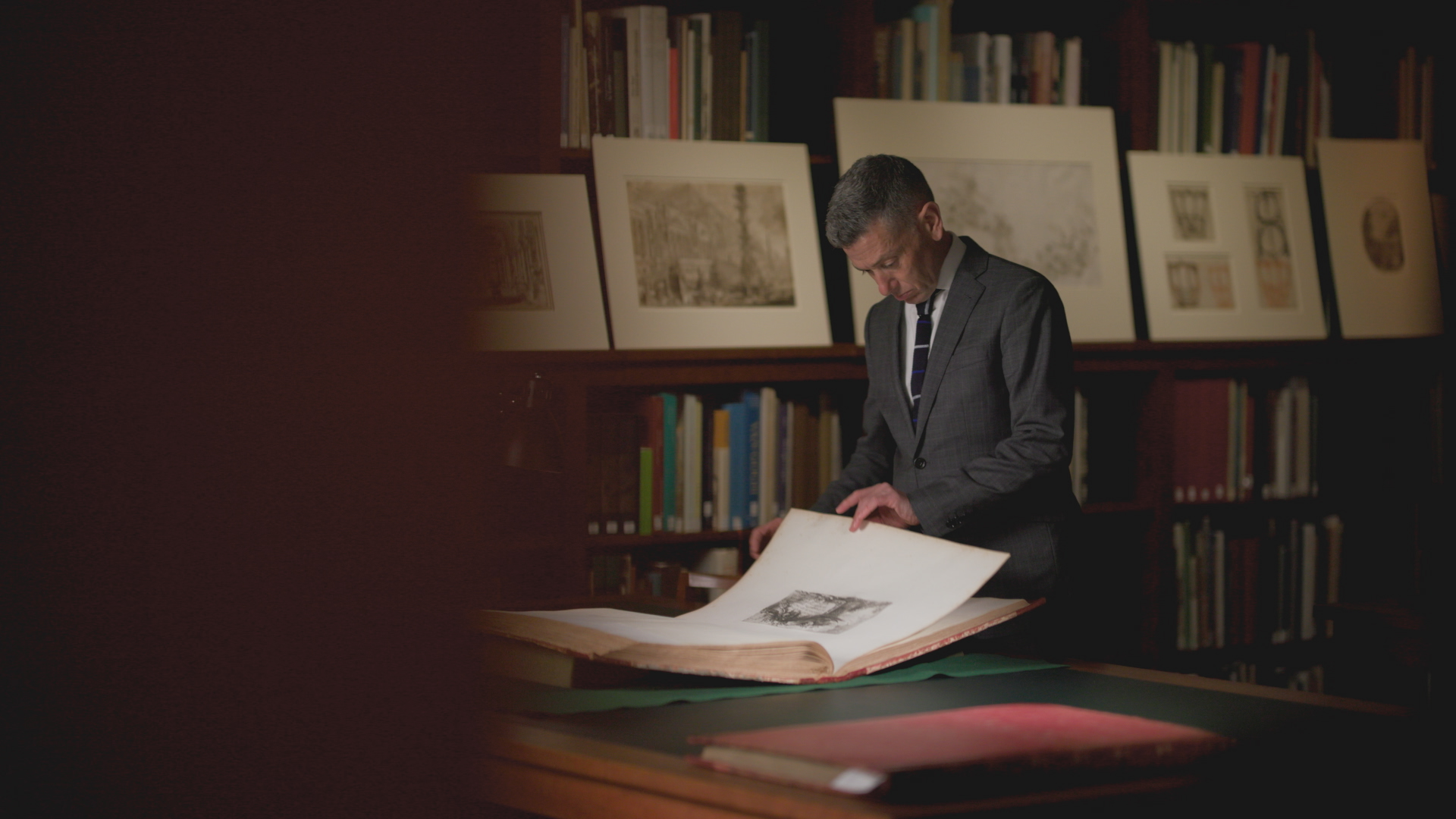
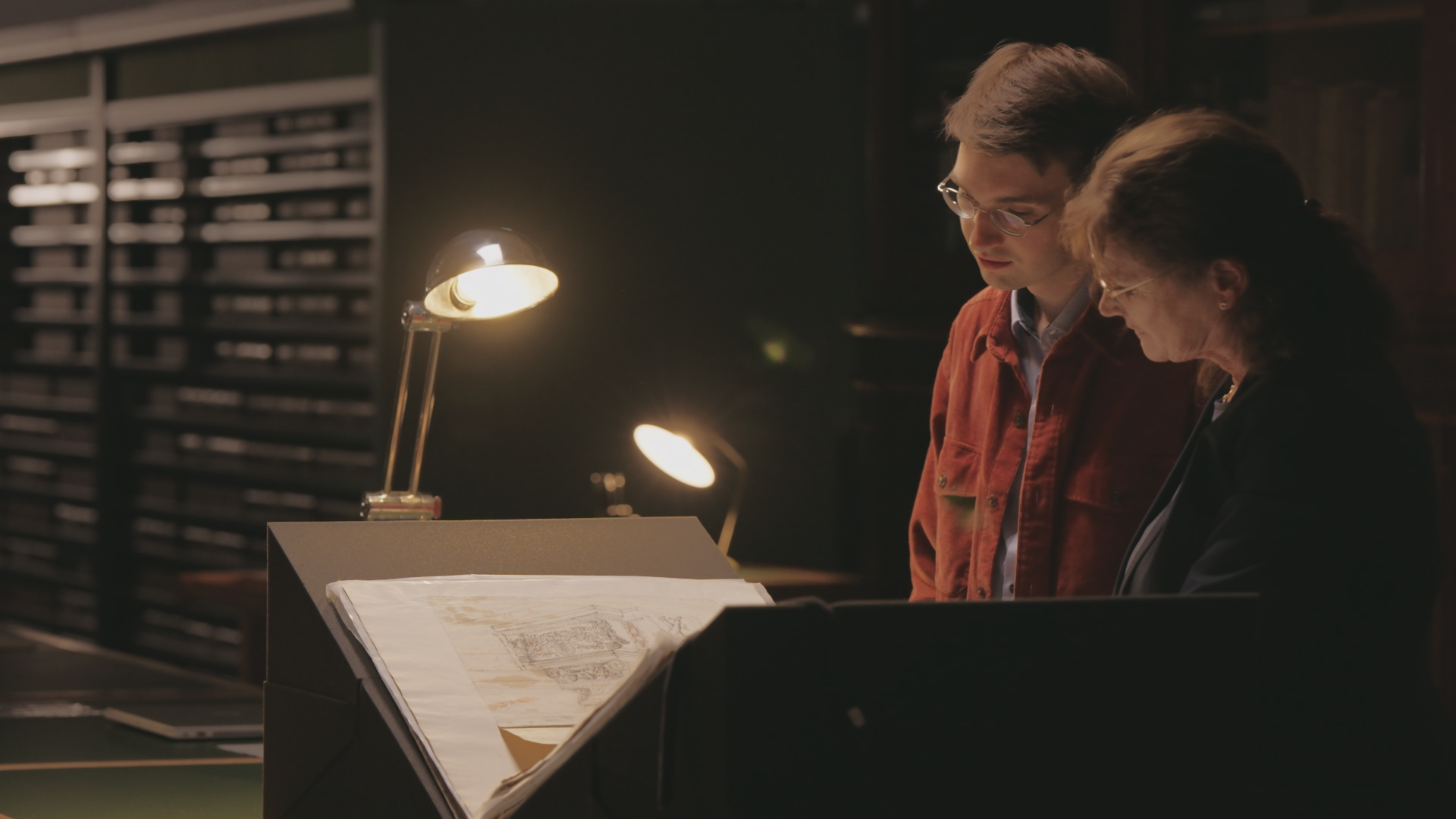
Piranesi - Architect of the Imagination

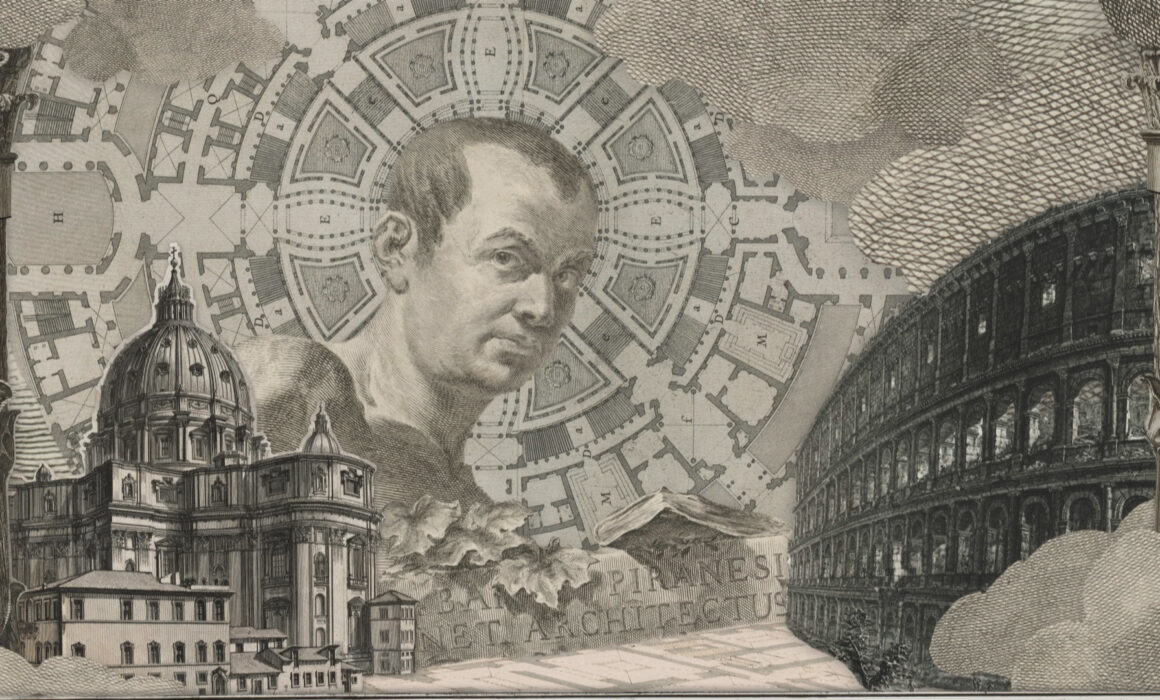
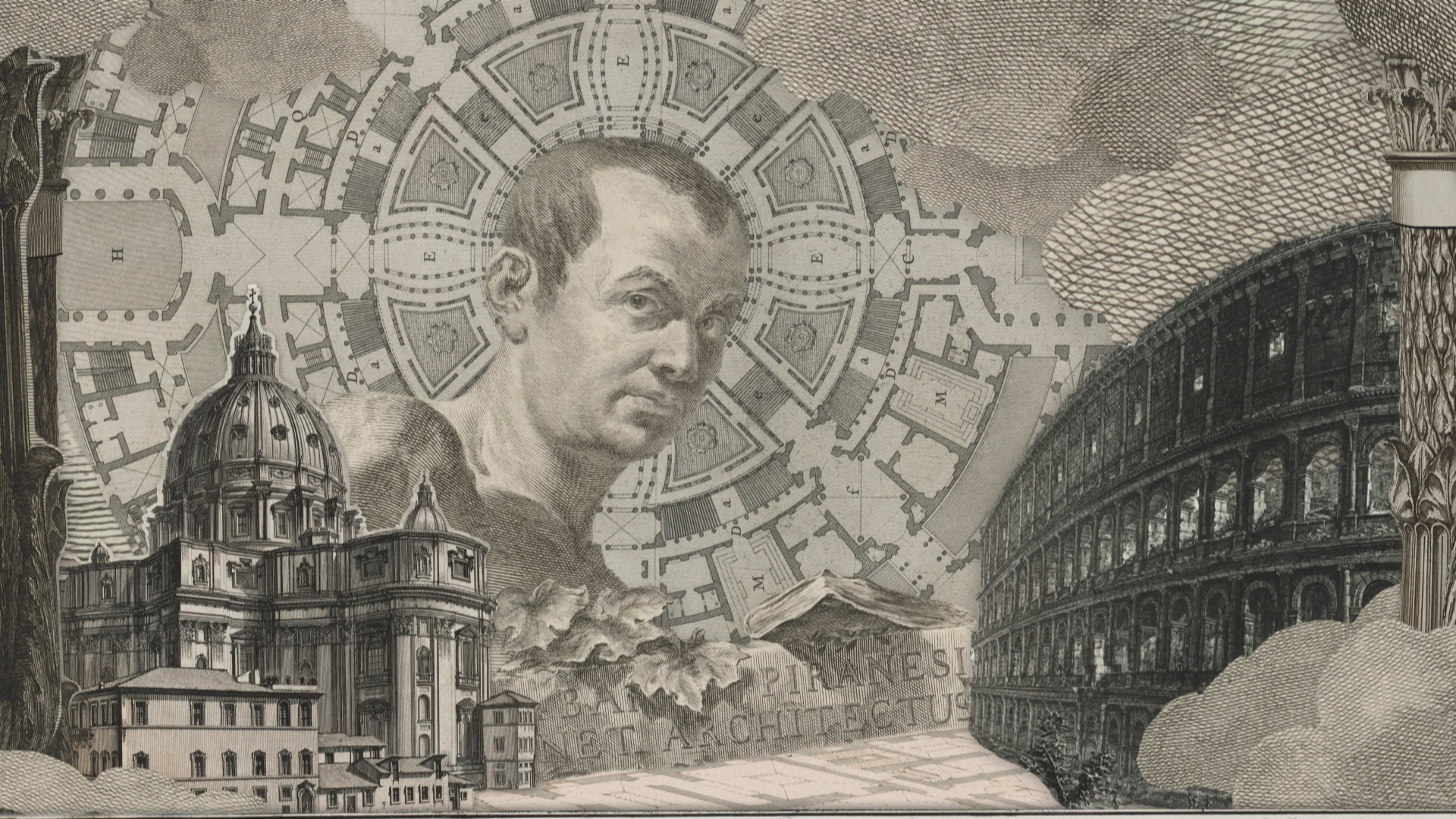
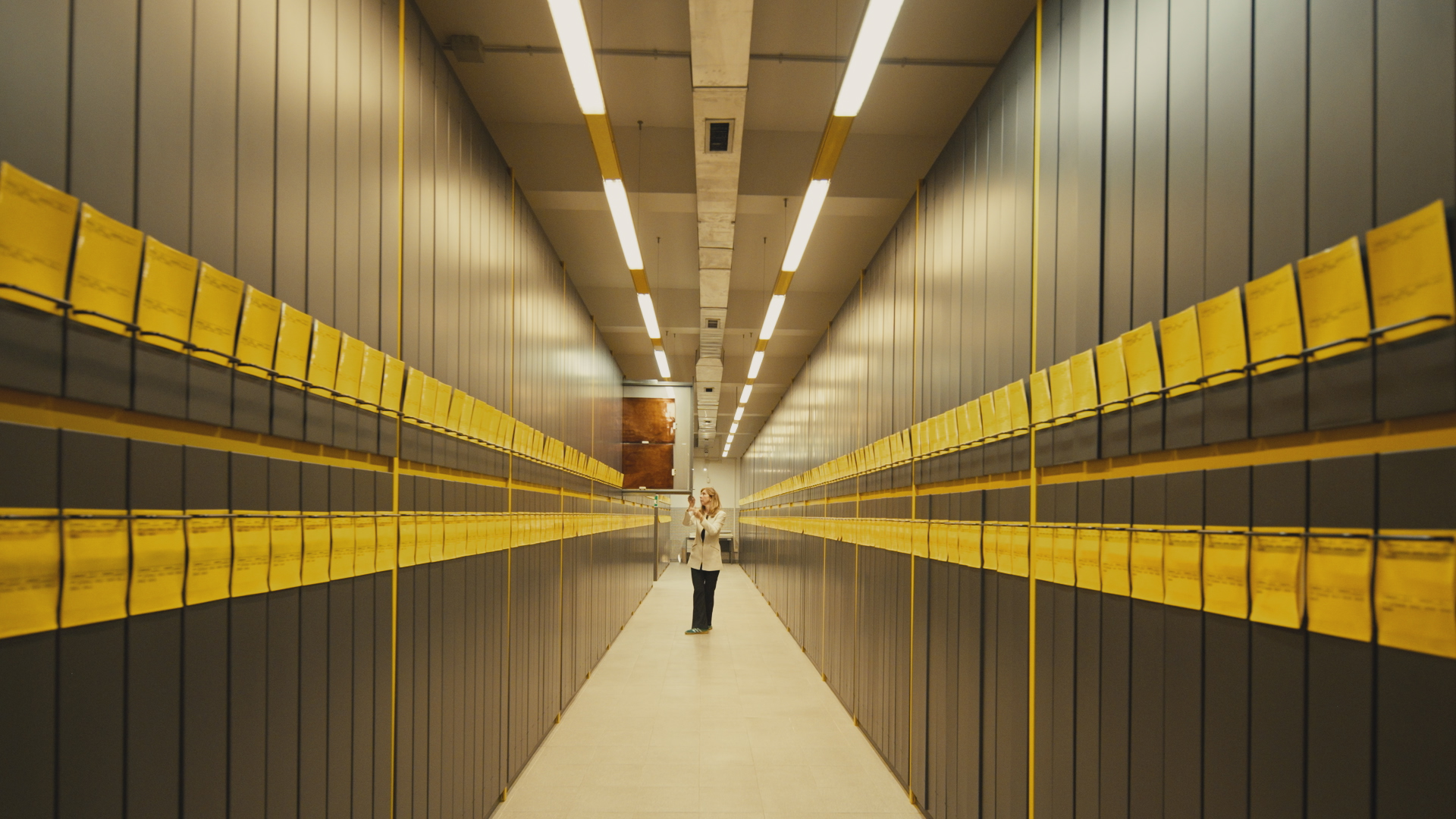
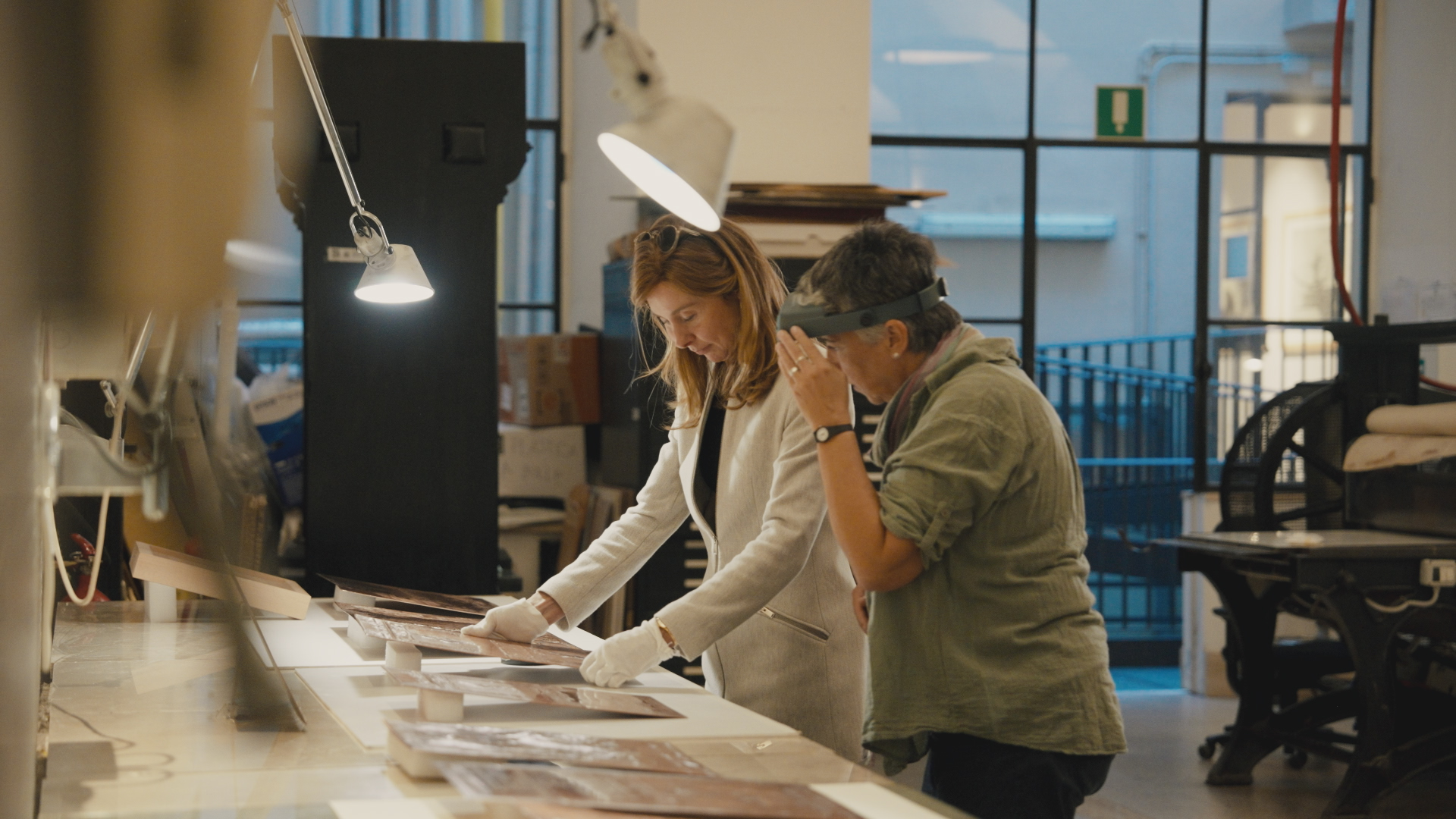
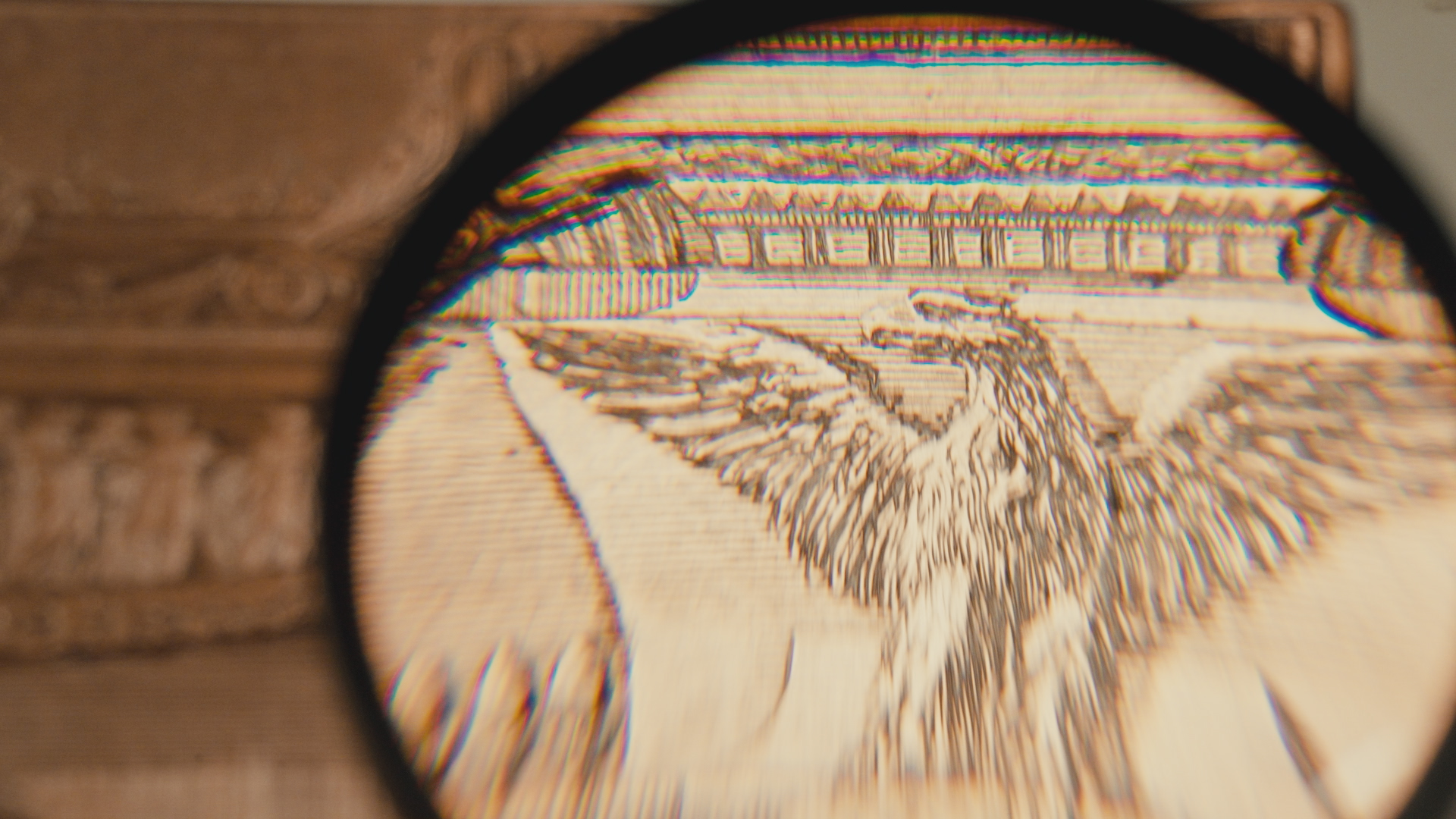
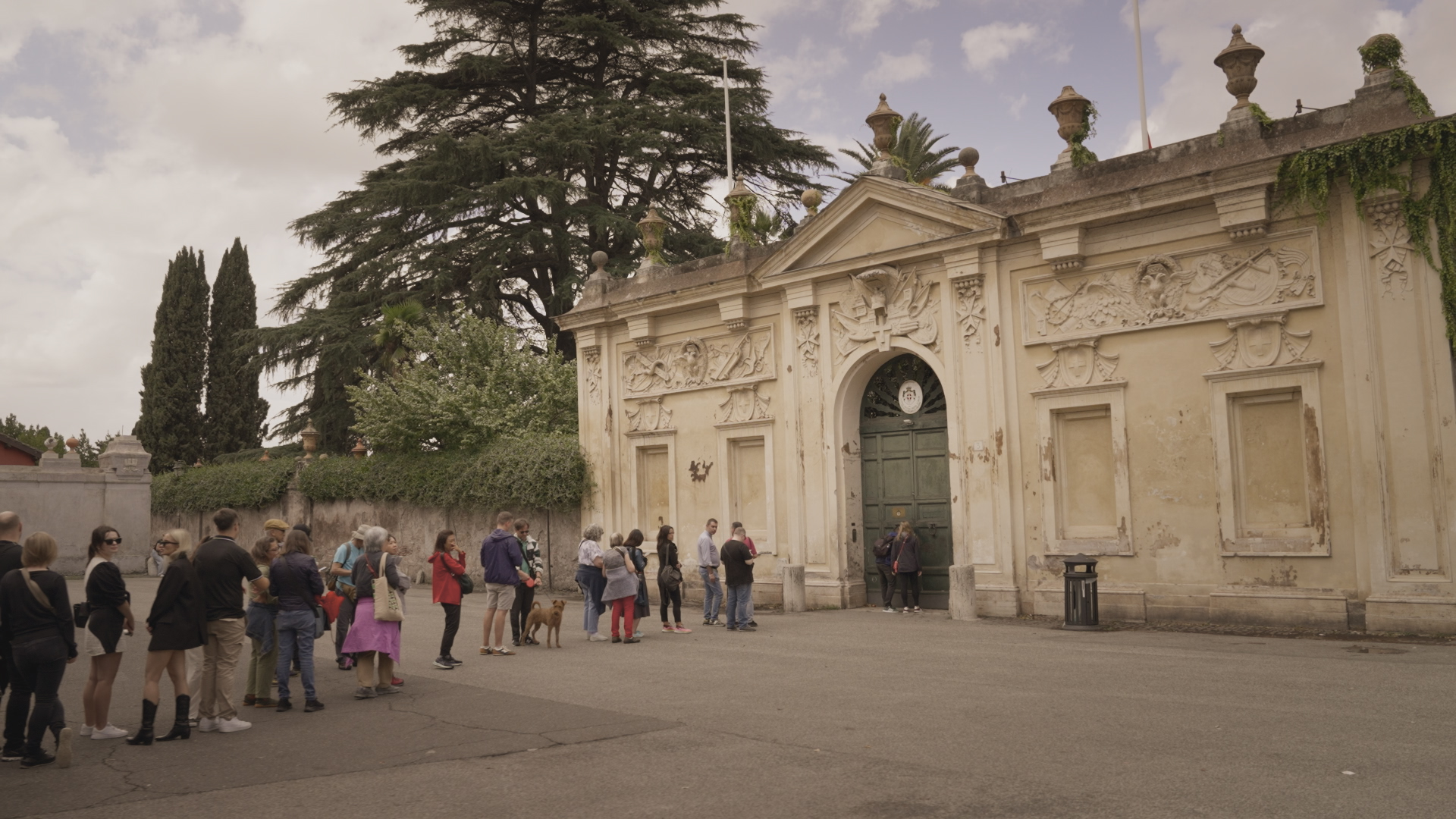
Giovanni Battista Piranesi. The engraver saw himself as the guardian of Rome's greatness.
Piranesi – Architect of the Imagination
  • January 12, 2026/
  • Posted by: Carolin Redenz/
  • 0 comments /
  • Under:
Piranesi – Architect of the Imagination

D 2024

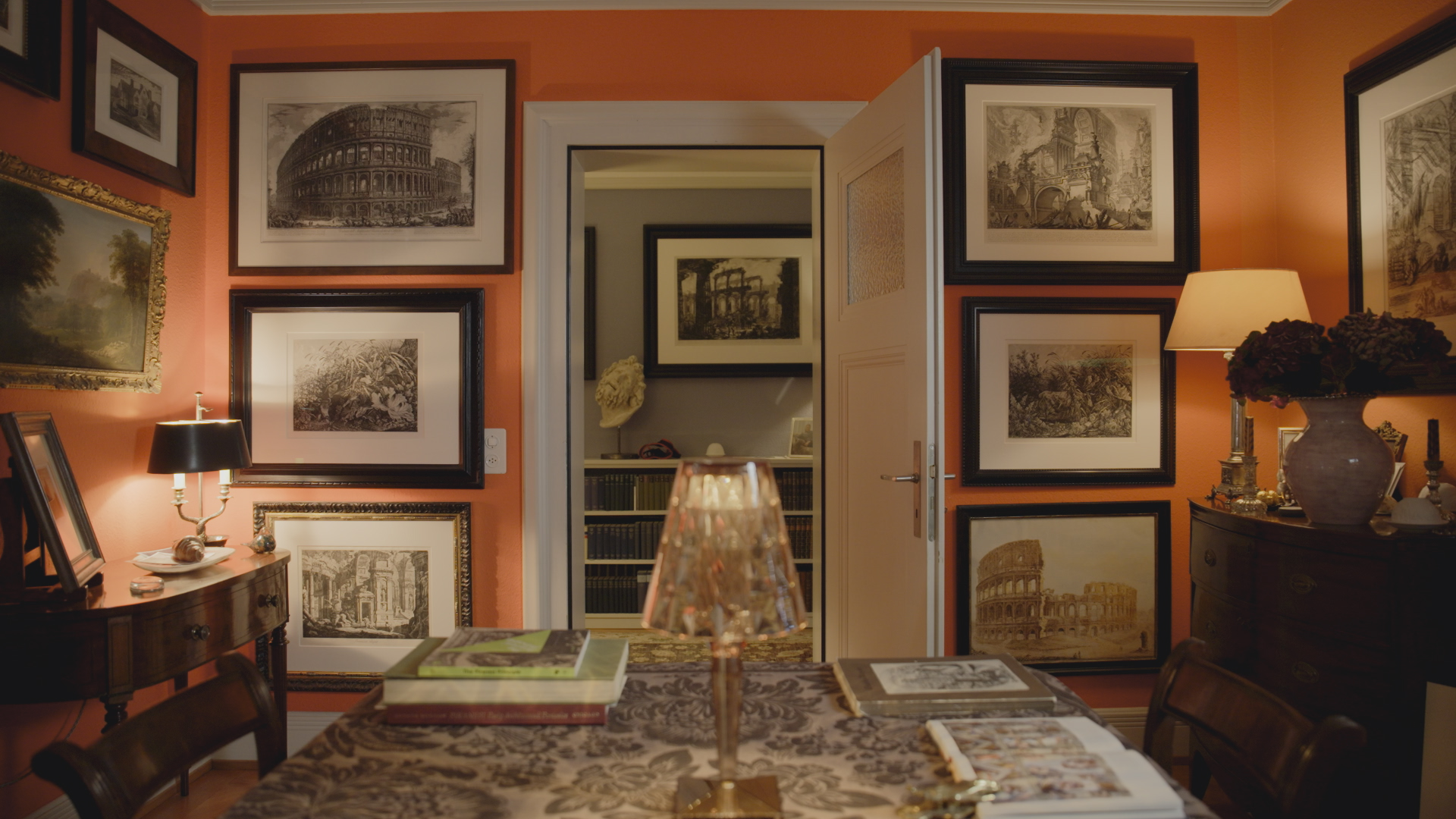
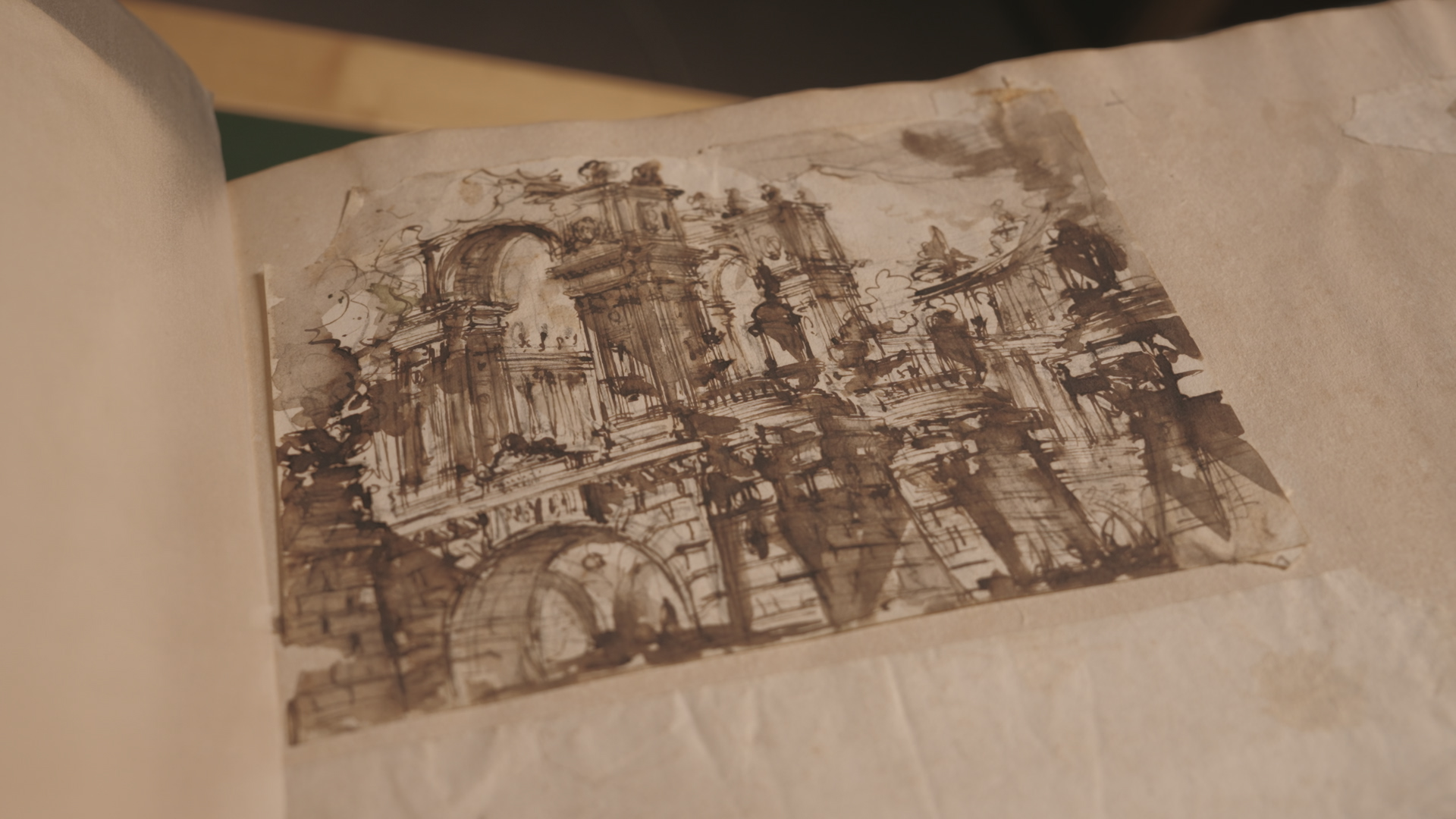
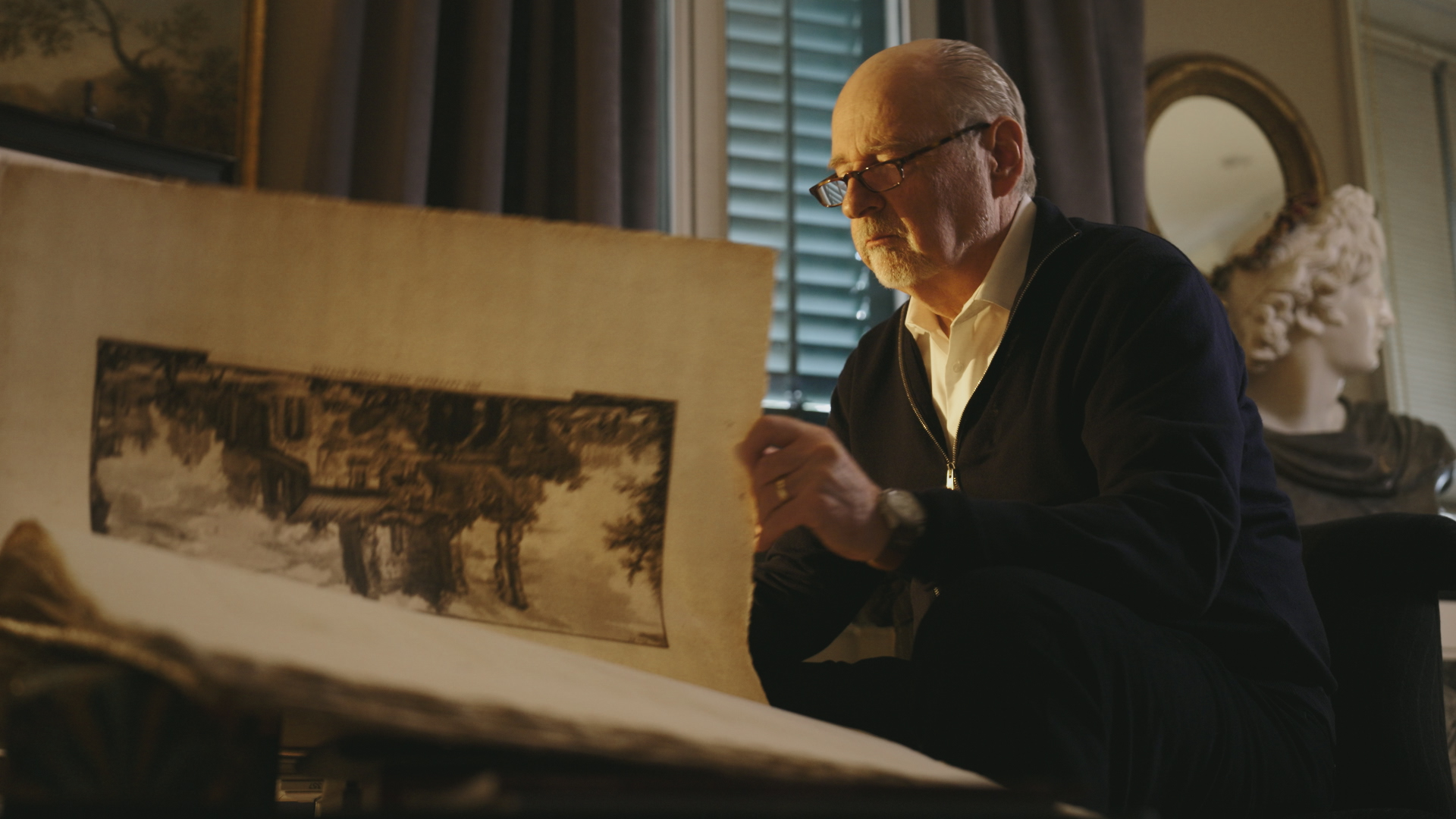
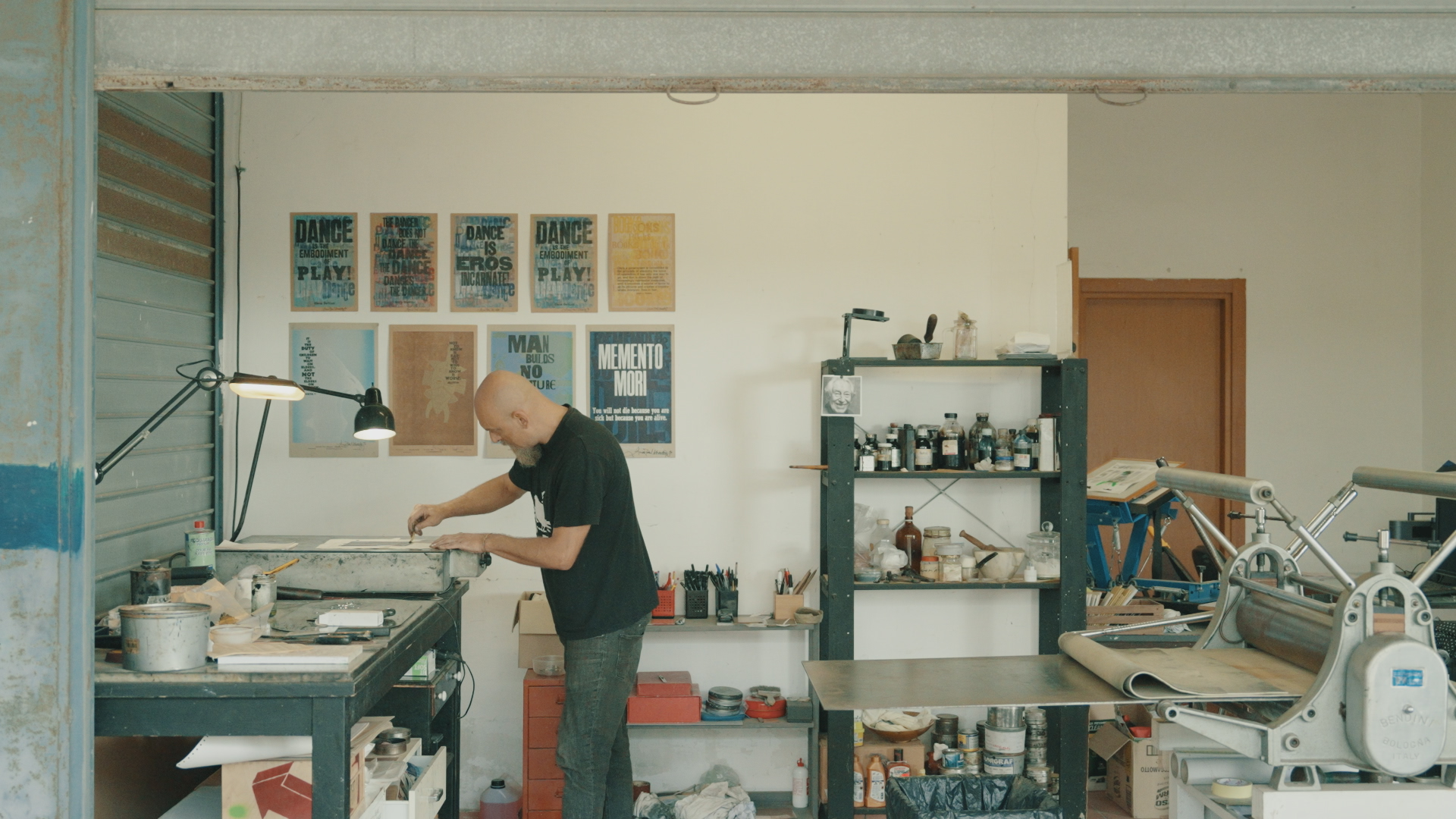
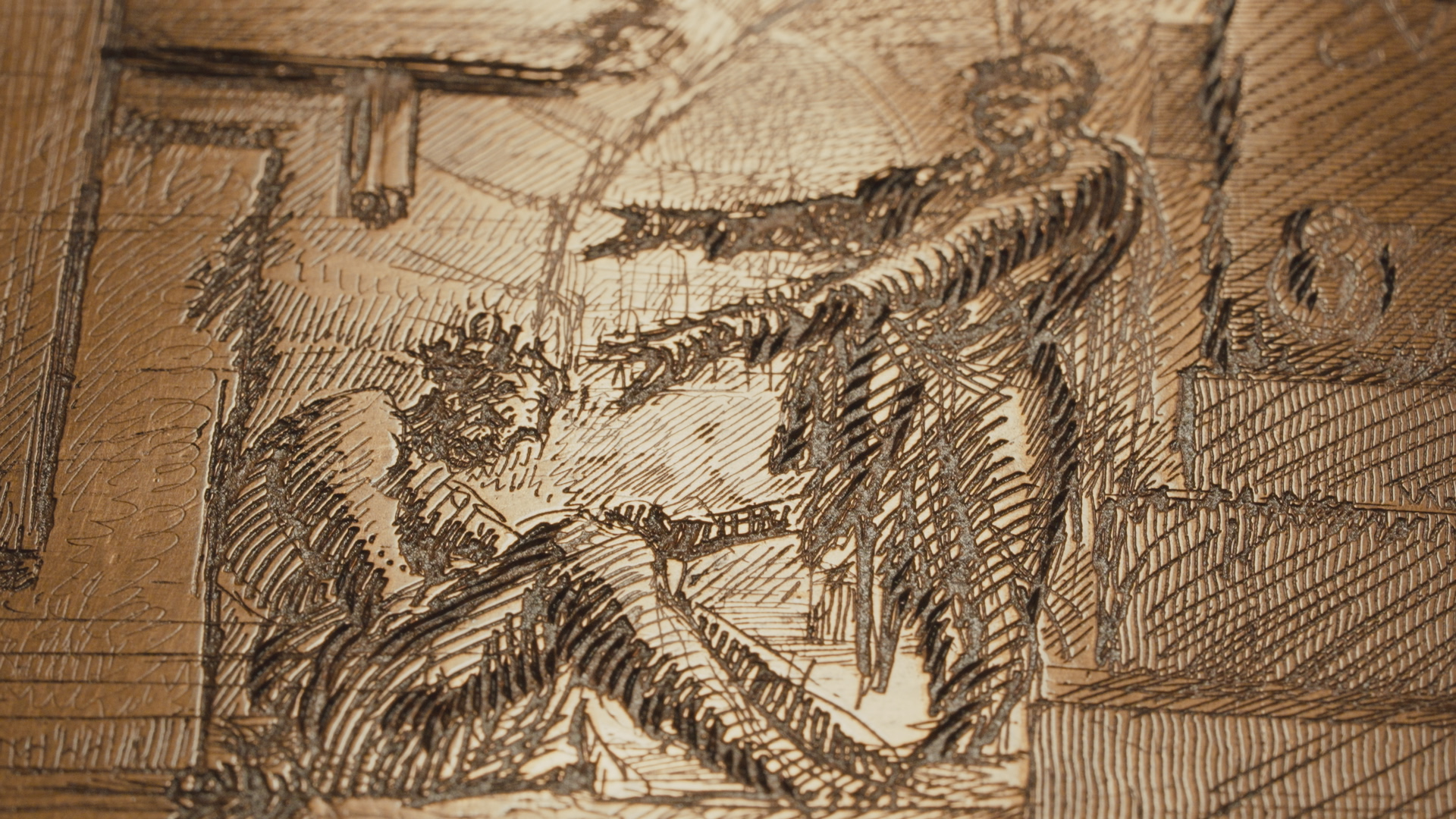
Giovanni Battista Piranesi – the Italian architect, engraver, and archaeologist was dubbed the "Rembrandt of ancient ruins" by his contemporaries at the end of the 18th century. Rome was Piranesi's inspiration, his life's work, and, if you will, he reinvented Rome in his numerous vedute. Piranesi has forever shaped our image of the "Eternal City." During his lifetime, he was a respected Roman artist and businessman.

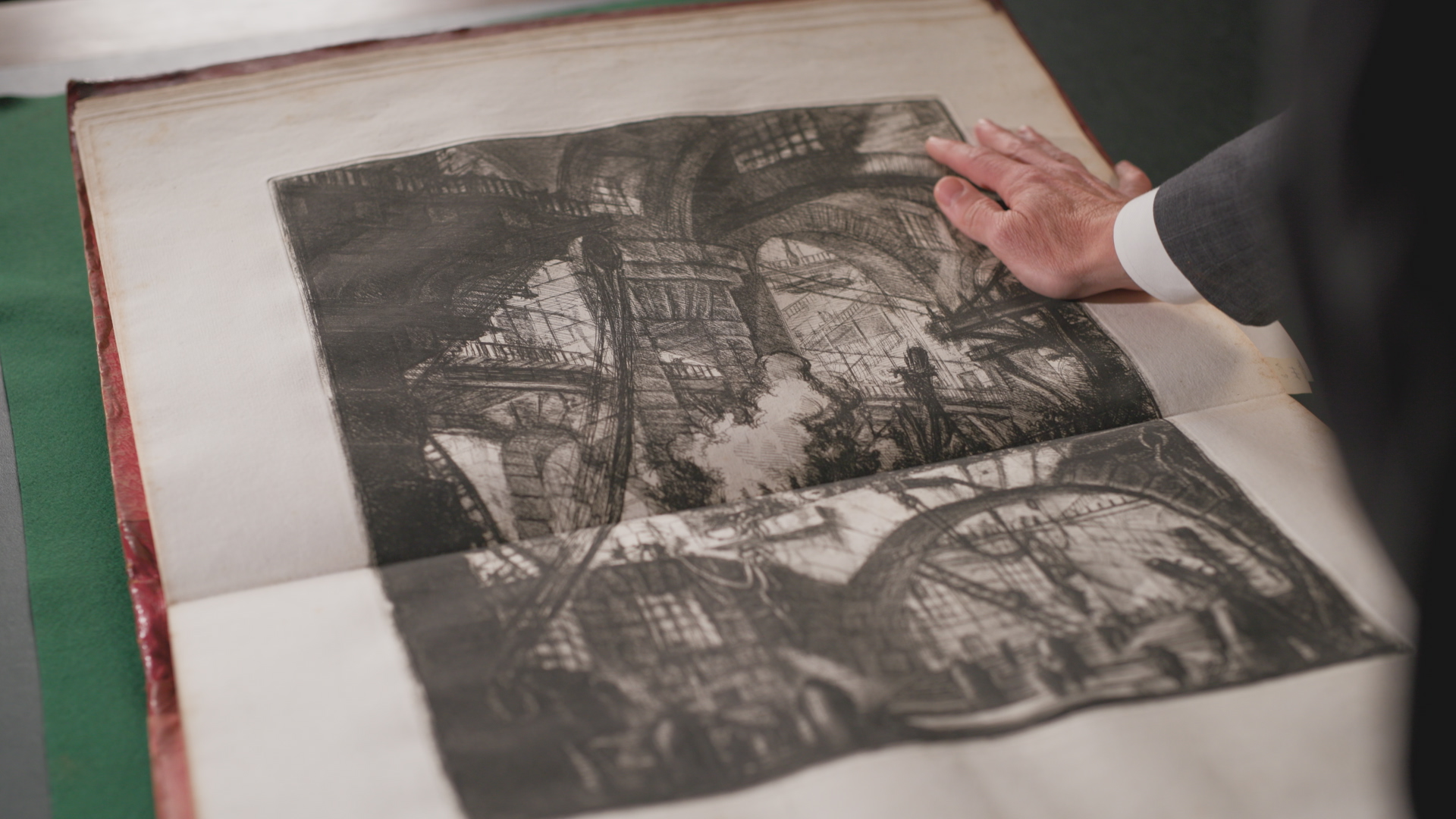
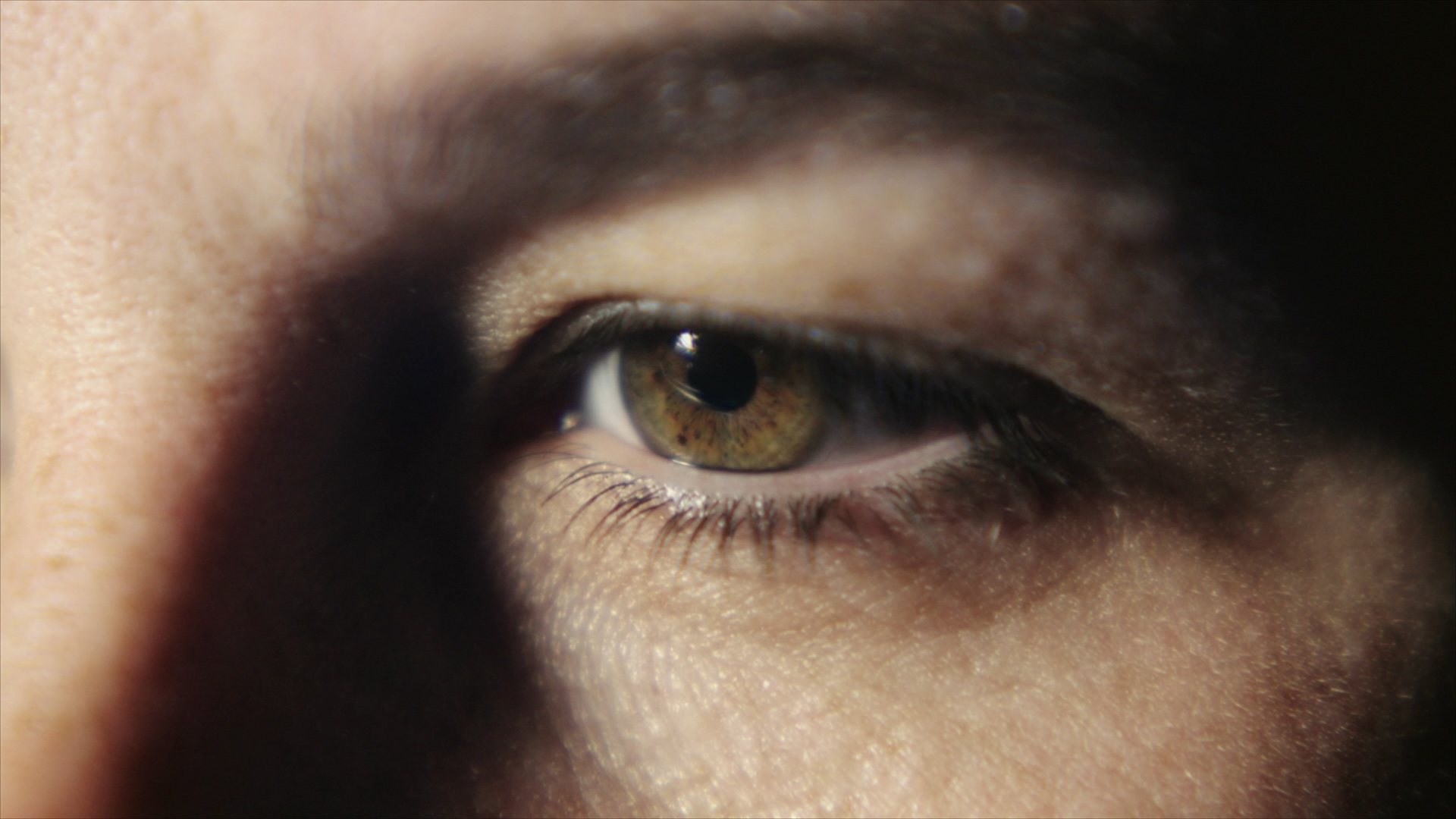
But it was only after his death that he became famous. Ironically, this was due to only a small part of his enormous body of work—16 sheets of his enigmatic depictions of dungeons, the "Carceri." To this day, art historians are still trying to fathom what Piranesi wanted to express with these endless surreal spaces in which staircases or bridges lead to nowhere. Did Piranesi design a gloomy vision of a negative future state? Was this how he saw the world? Or were these graphic fantasies merely an expression of his displeasure at only being able to make an impact on paper as an architect?

Whether psychoanalyst Sigmund Freud, director Fritz Lang, or architect Daniel Libeskind—they were all inspired in very different ways by Piranesi and his imagery. For Piranesi's fantastic work continues to have an impact to this day, serving as an inexhaustible source of inspiration for artists and thinkers.

Governments

Henrike Sandner

Production

In one media

Technical data

Length: 52 min

Category

Documentaries and television reportage

Share This

Looking for clues: What kind of allergy do you have?
Animals in a frenzy

©IN ONE MEDIA / Boas Schwarz
Animals in a frenzy
  • November 24, 2025/
  • Posted by: Carolin Redenz/
  • 0 comments /
  • Under:
Animals in a frenzy

D 2025

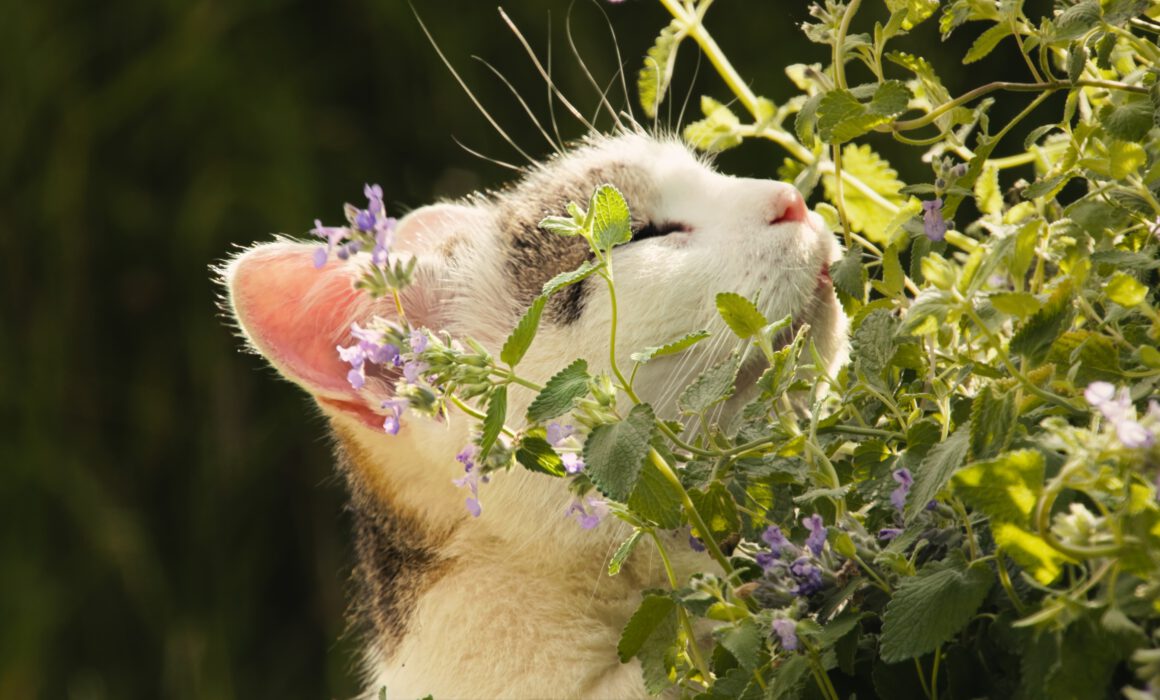
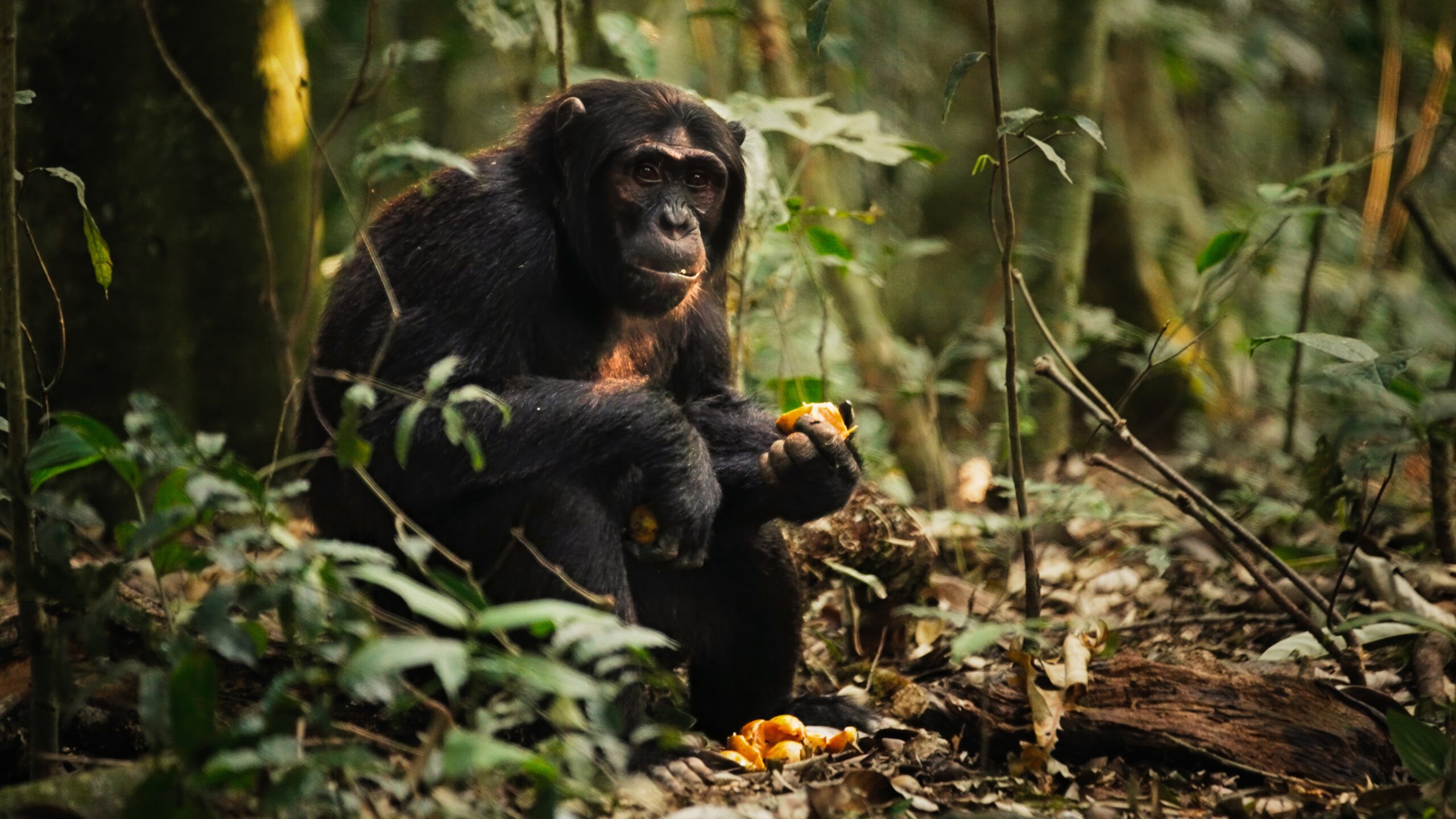
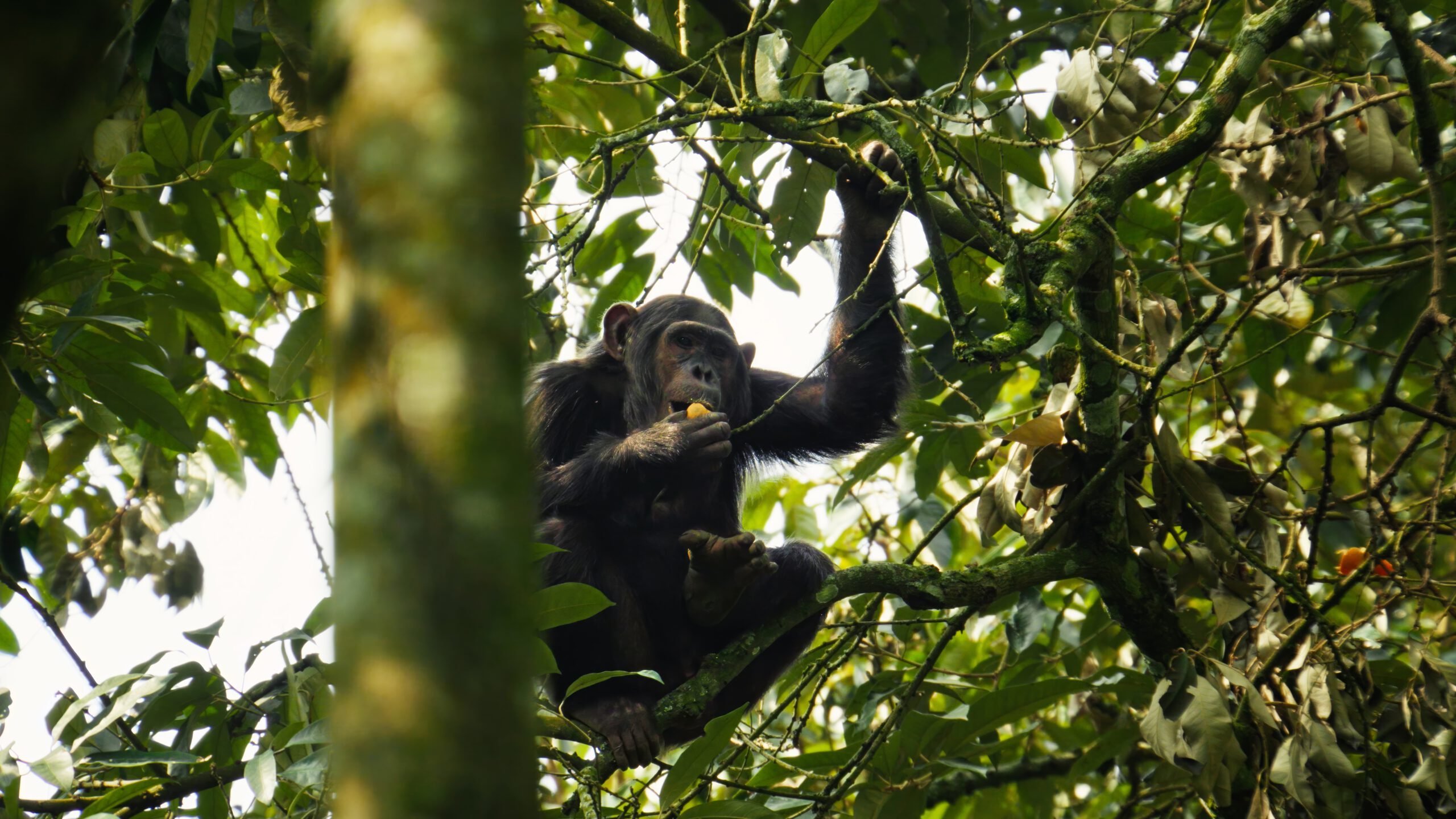
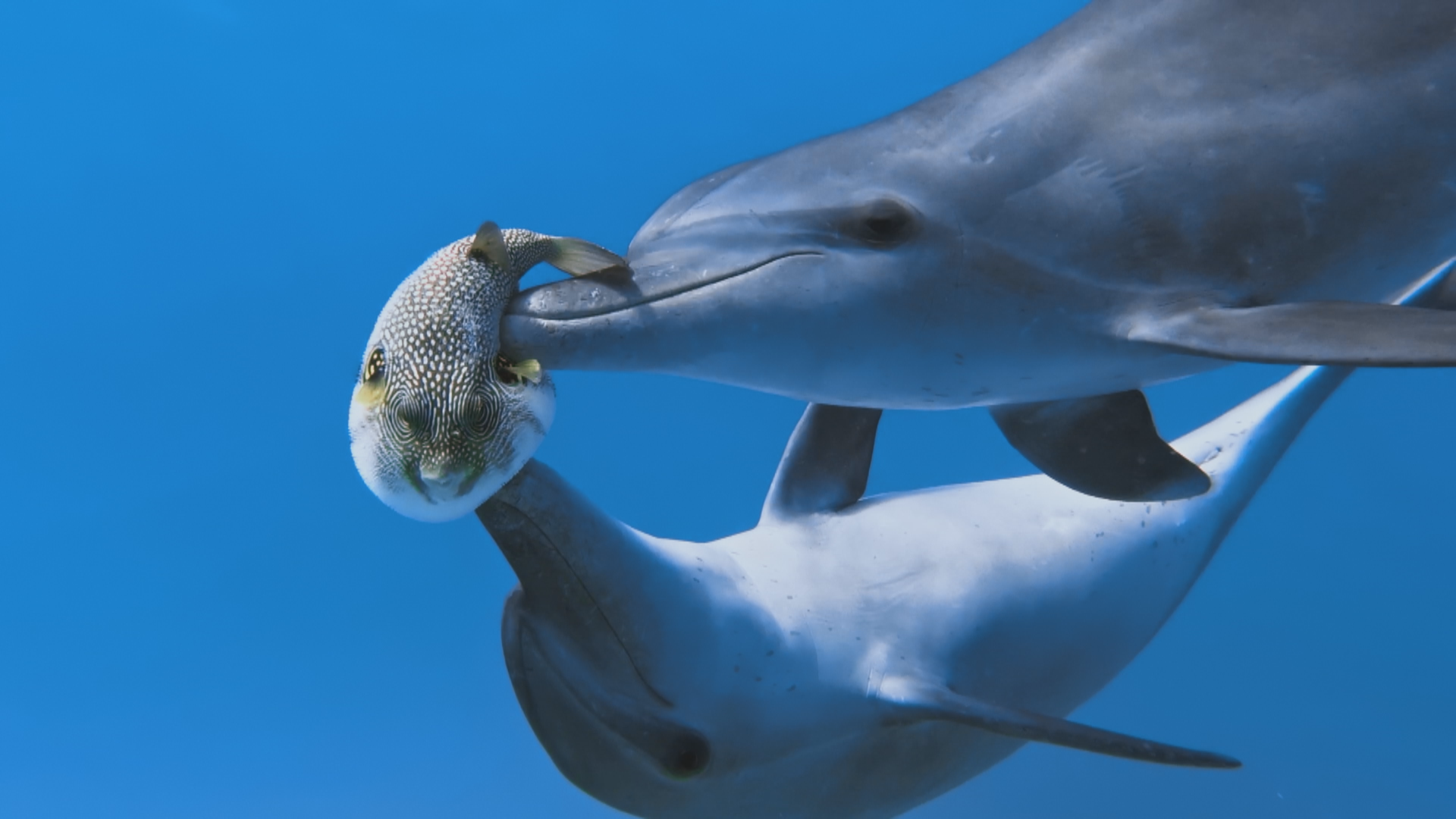
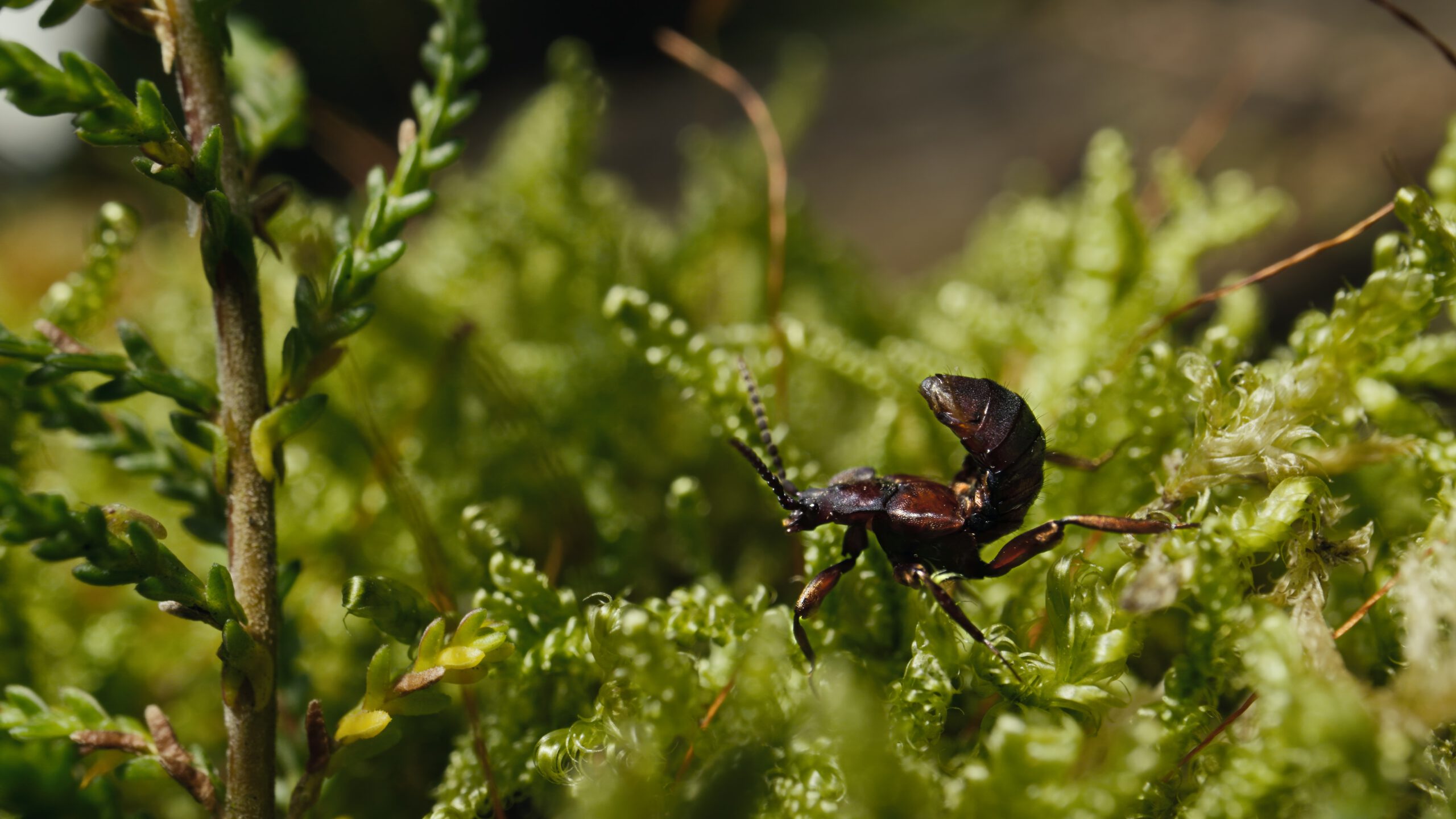
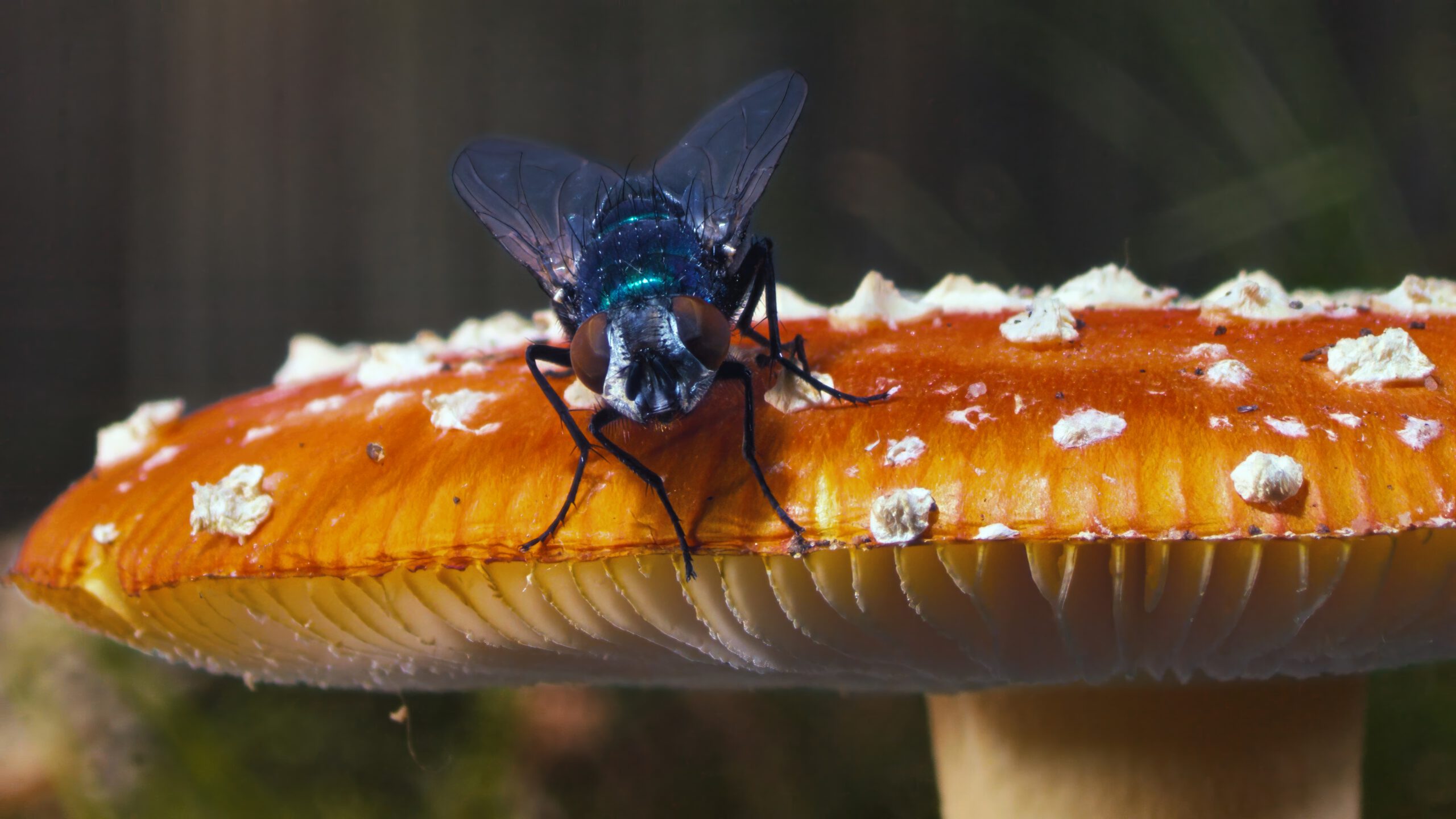
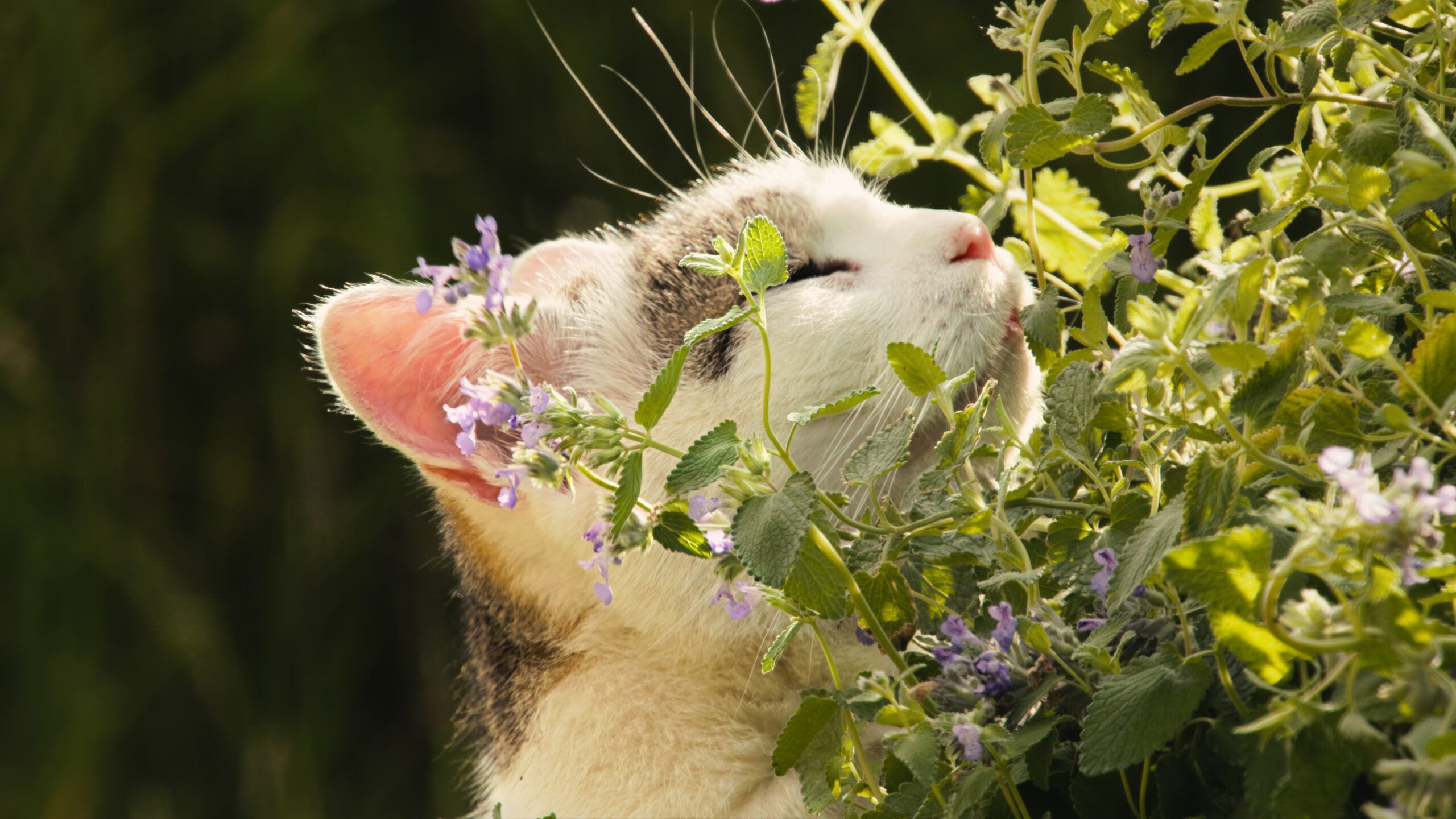
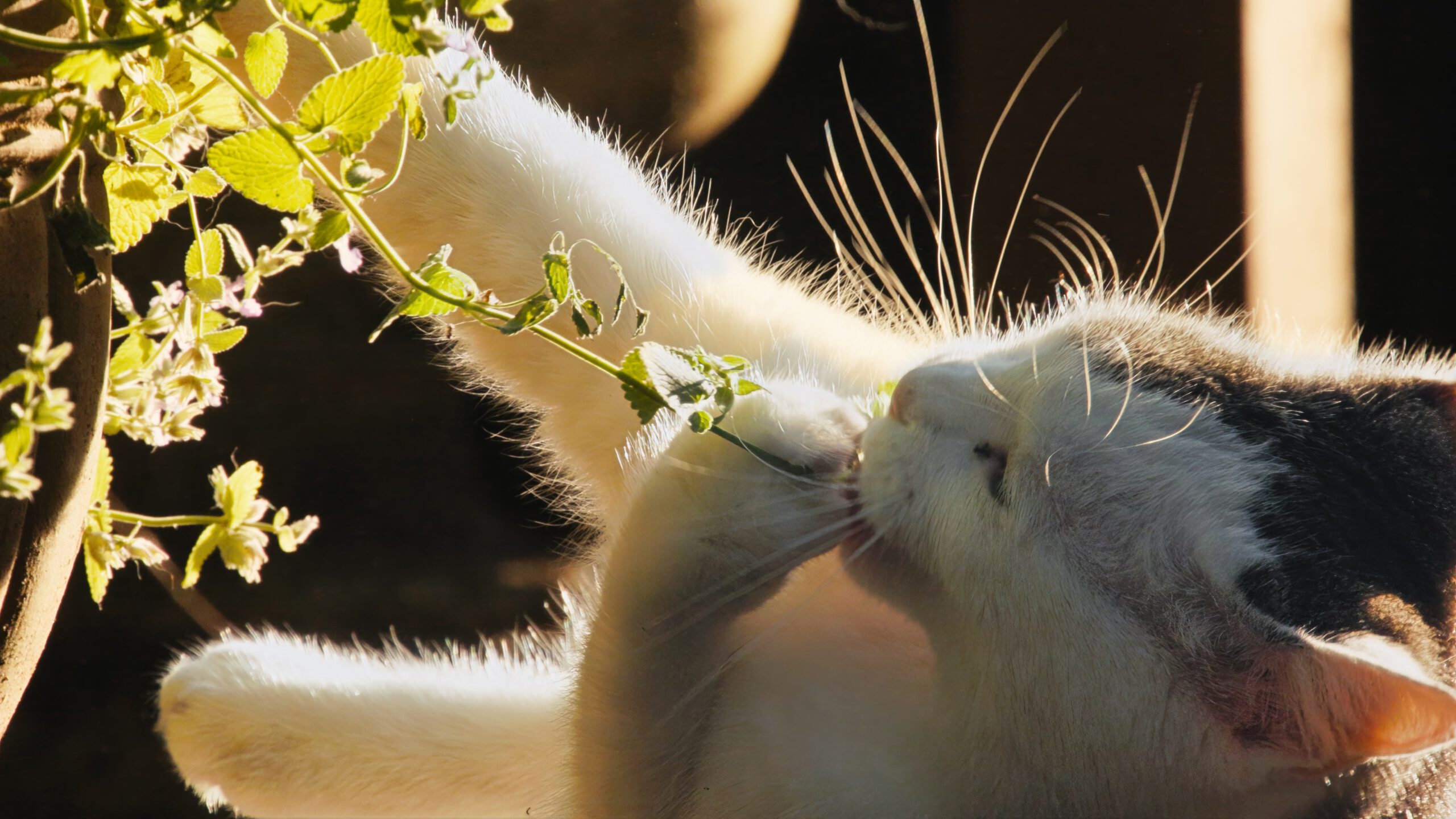
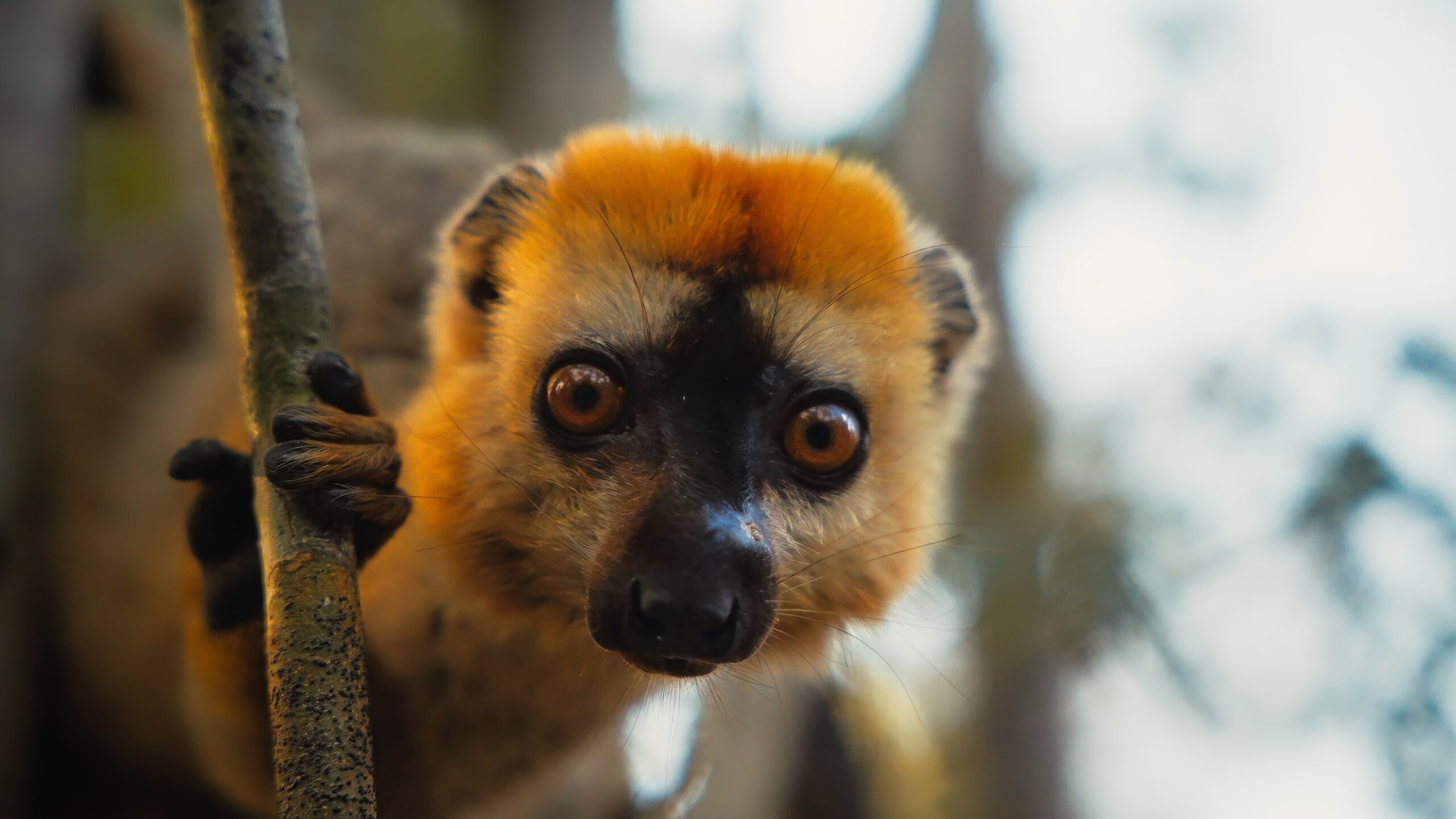
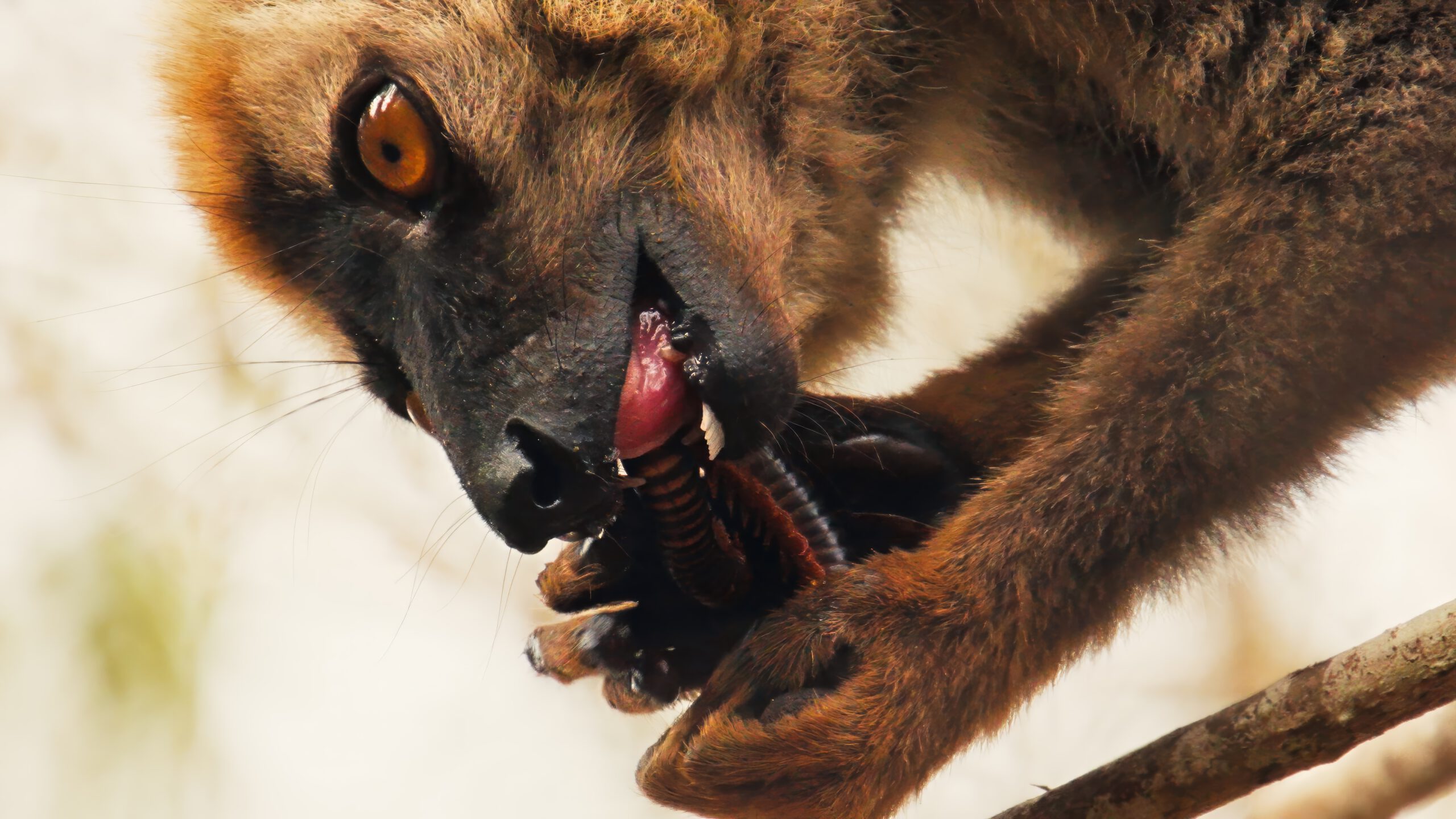
Drug alert in the animal kingdom! Animals use substances that we call drugs. Why? Chimpanzees have been observed stuffing their stomachs with fermented star apples. Are our closest relatives into alcohol and are they aware of its effects and consequences? Biologist Aleksey Maro is investigating this in Uganda. He is testing the alcohol content in the fruit and in chimpanzee urine: as much as a beer or two glasses of wine? The elaborately shot nature film not only discovers the secret of "intoxication in the rainforest" but also explores a small "high society" in nature: dolphins playing with the danger of a narcotic neurotoxin carried by puffer fish. Lemurs who get high on a poisonous millipede to protect their health, risking their lives in the process. Beetles that act as "drug dealers" and make an entire ant colony dependent and docile with a mysterious substance. And cats who indulge in a relaxing quarter-hour trip thanks to the beguiling effect of Nepeta Cataria mint.

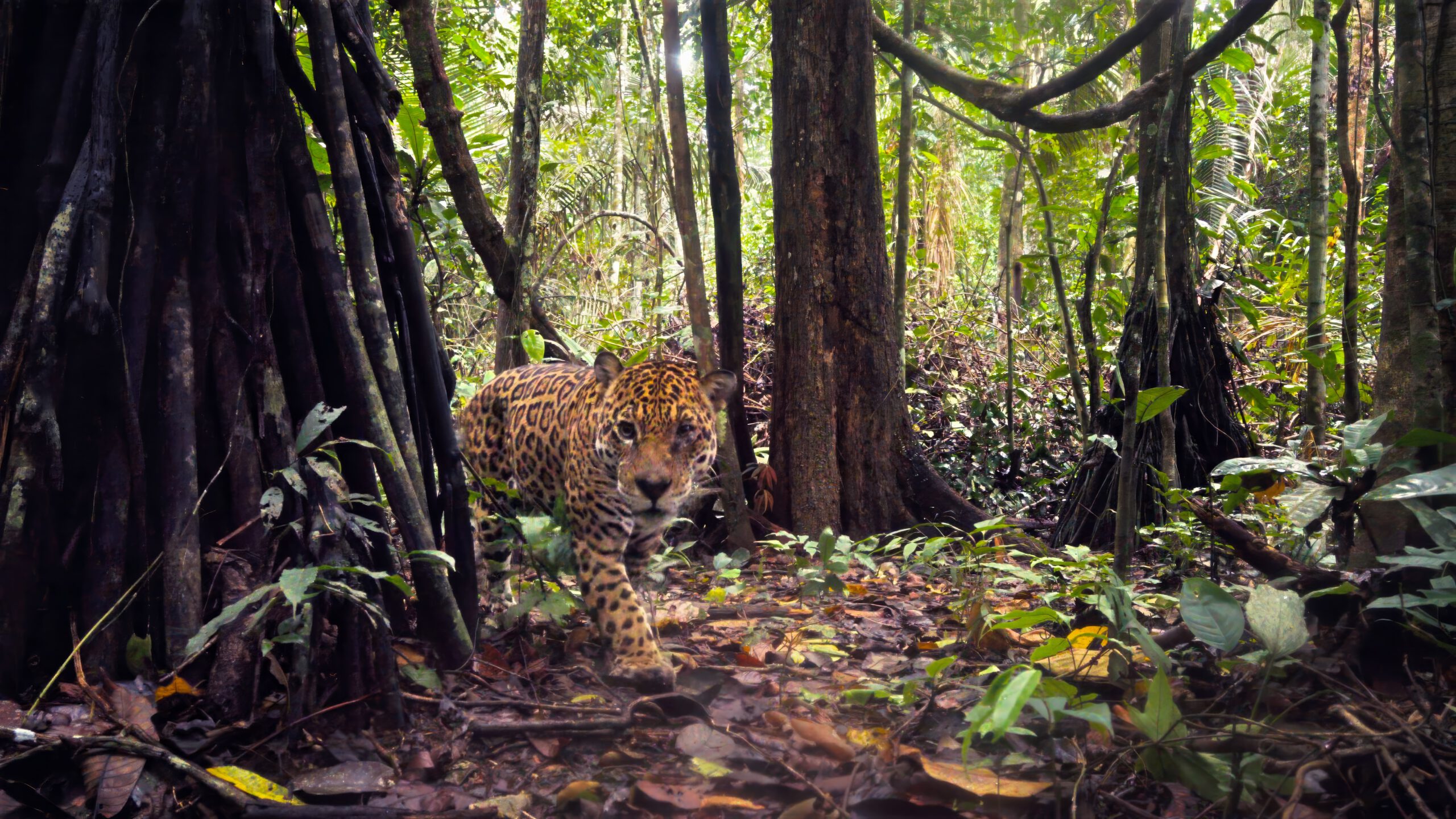
In the second part, the nature film oscillates between fiction and truth in intoxicatingly beautiful images of jungle lianas, poppy fields and toadstools. In the Amazon jungle of Ecuador, jaguars chew on ayahuasca lianas. They are known for their psychedelic substance DMT. Ethnobotanist Rocio Alarcón wants to find out whether it also "works" on the predators.

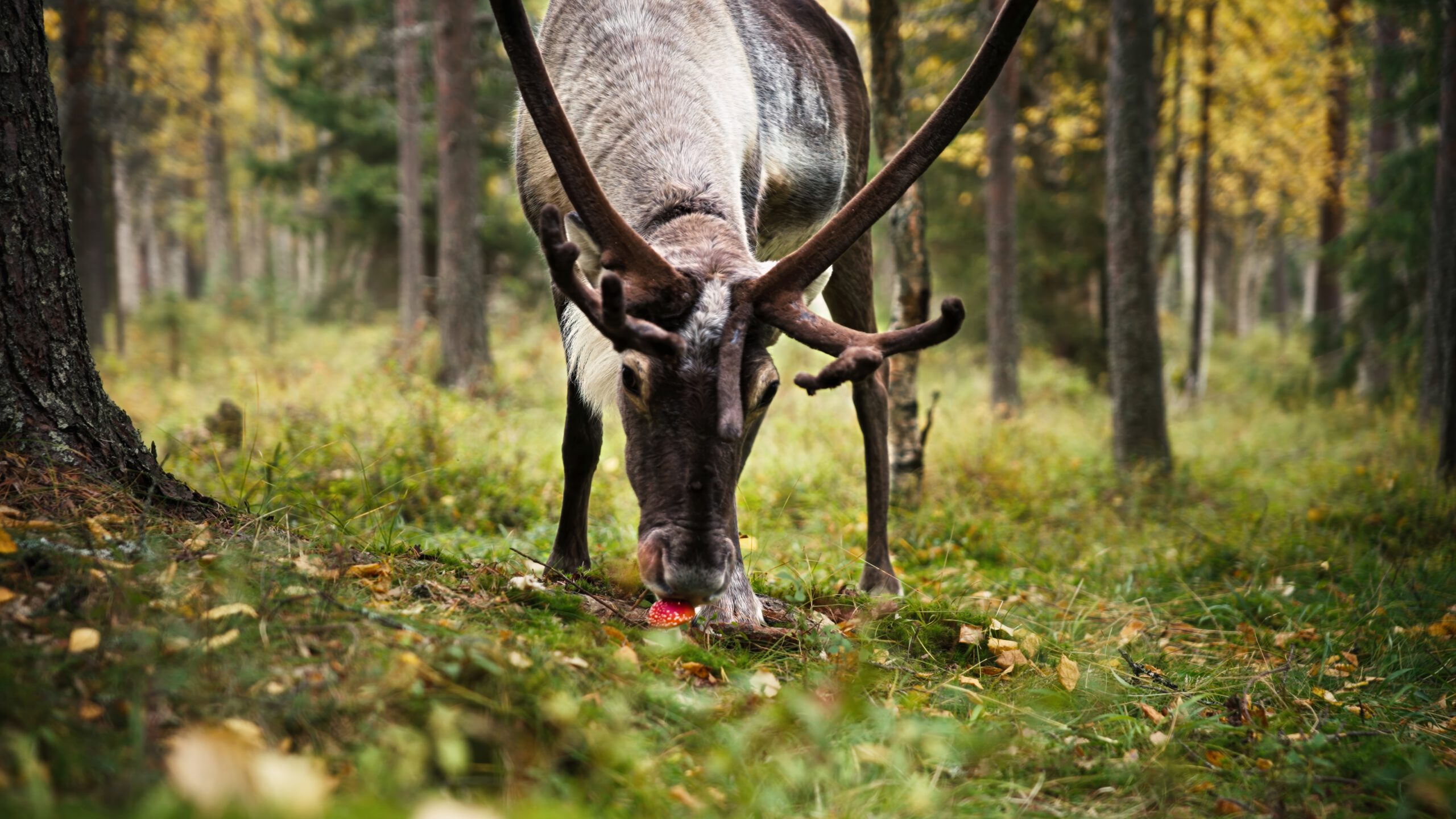
In Namibia, the honey badger is exposed to the paralyzing poison of scorpions and shows symptoms similar to intoxication. In Slovakia, hundreds of swans ended up in an "opium hell". Why did they fall for the addictive substance in a poppy field and never get off? The New Zealand fruit pigeon with the melodious name Kererū loves overripe fruit. Is that why it is conspicuous for "flying under the influence of alcohol"? The legendary fly agaric can stun flies. But does it also send reindeer into a mushroom frenzy when they gorge themselves on red caps?

These are familiar or completely alien states, triggered by toxic substances found in nature. Intoxicating images soberly observe how it manifests itself, the intoxication in the animal?

Client

ARD/ MDR

Governments

Susanne Krauß, Robert Sigl

Production

In one media

Technical data

Length: 2x 45 min
Category

Documentaries and television reportage

Share This

Piranesi - Architect of the Imagination
Superfood beans

"Superfood Beans" by Jasmin Lakatoš for ARTE/ MDR
Superfood beans
  • July 5, 2024/
  • Posted by: Carolin Redenz/
  • 0 comments /
  • Under:
Superfood beans

D 2024

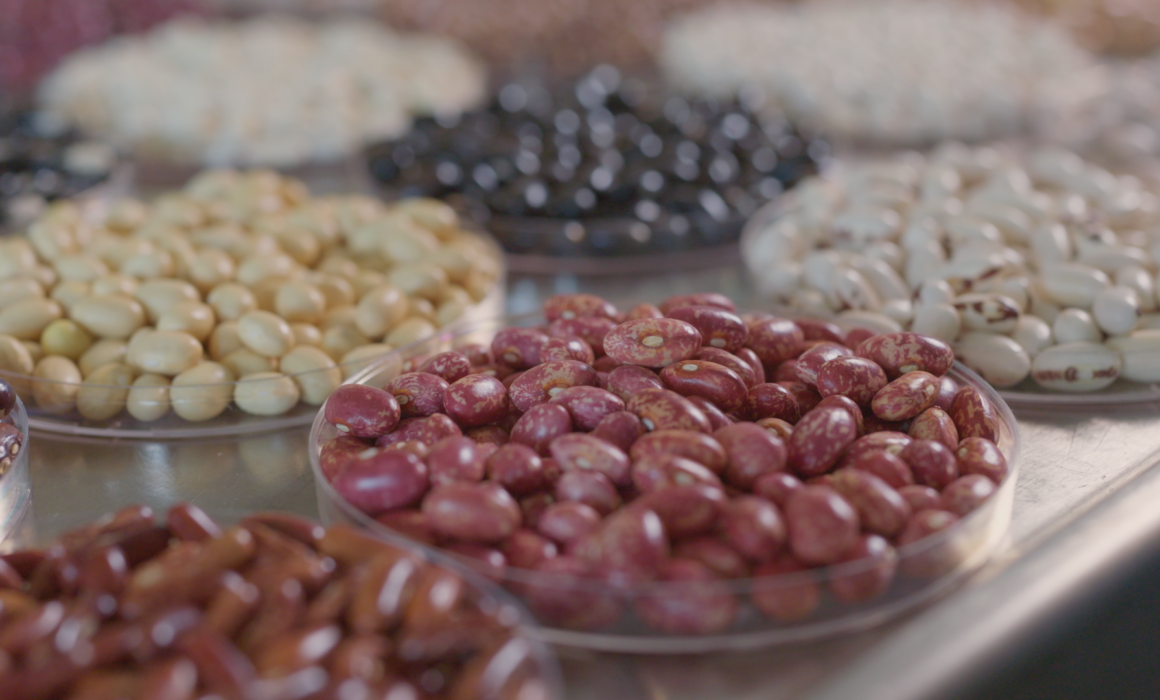
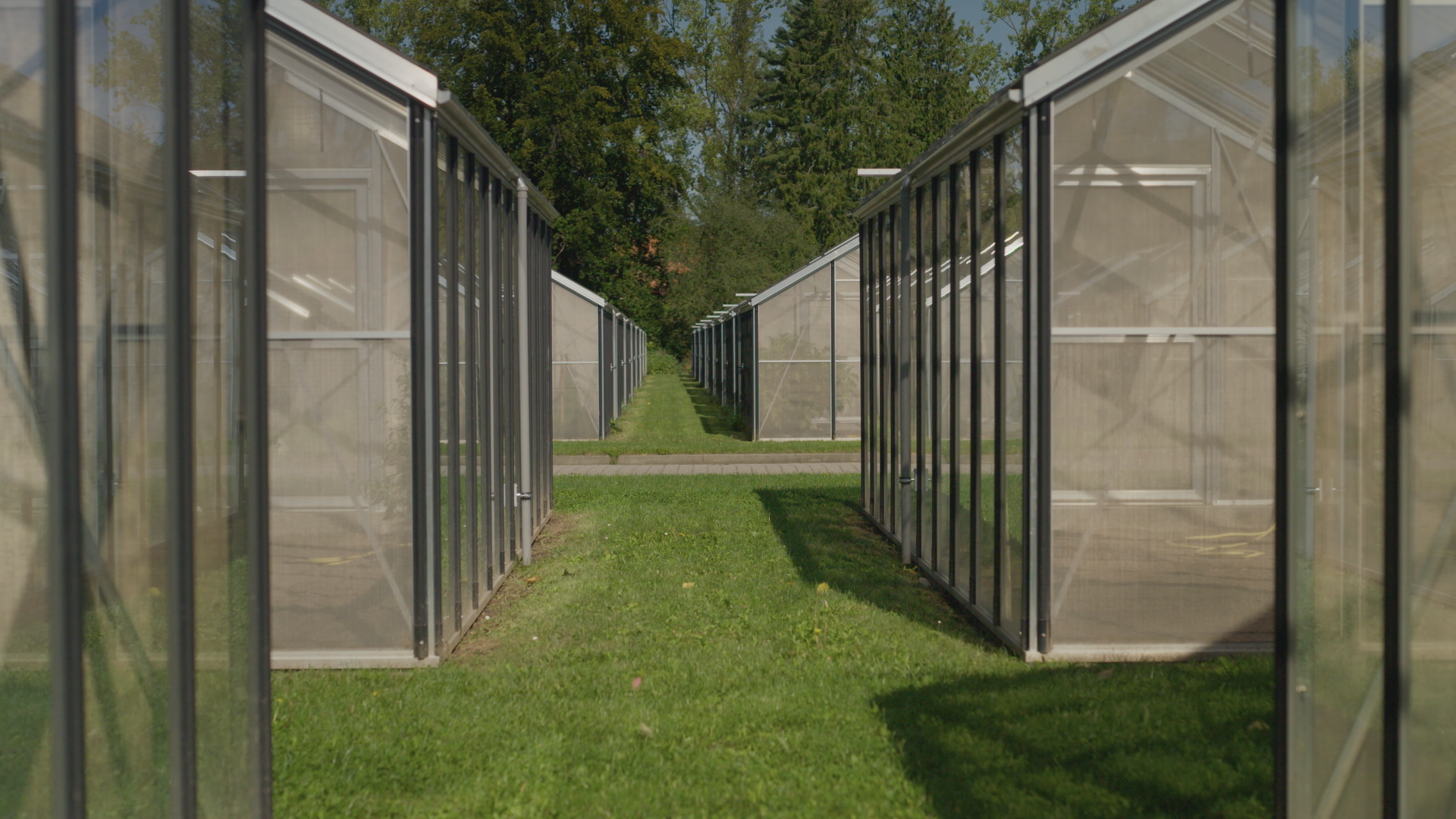
Beans are true all-rounders: they stand for home and tradition, they connect generations and continents, they bring memories to life and are good for the intestinal flora and climate. It goes without saying that we will continue to be interested in beans in the future!

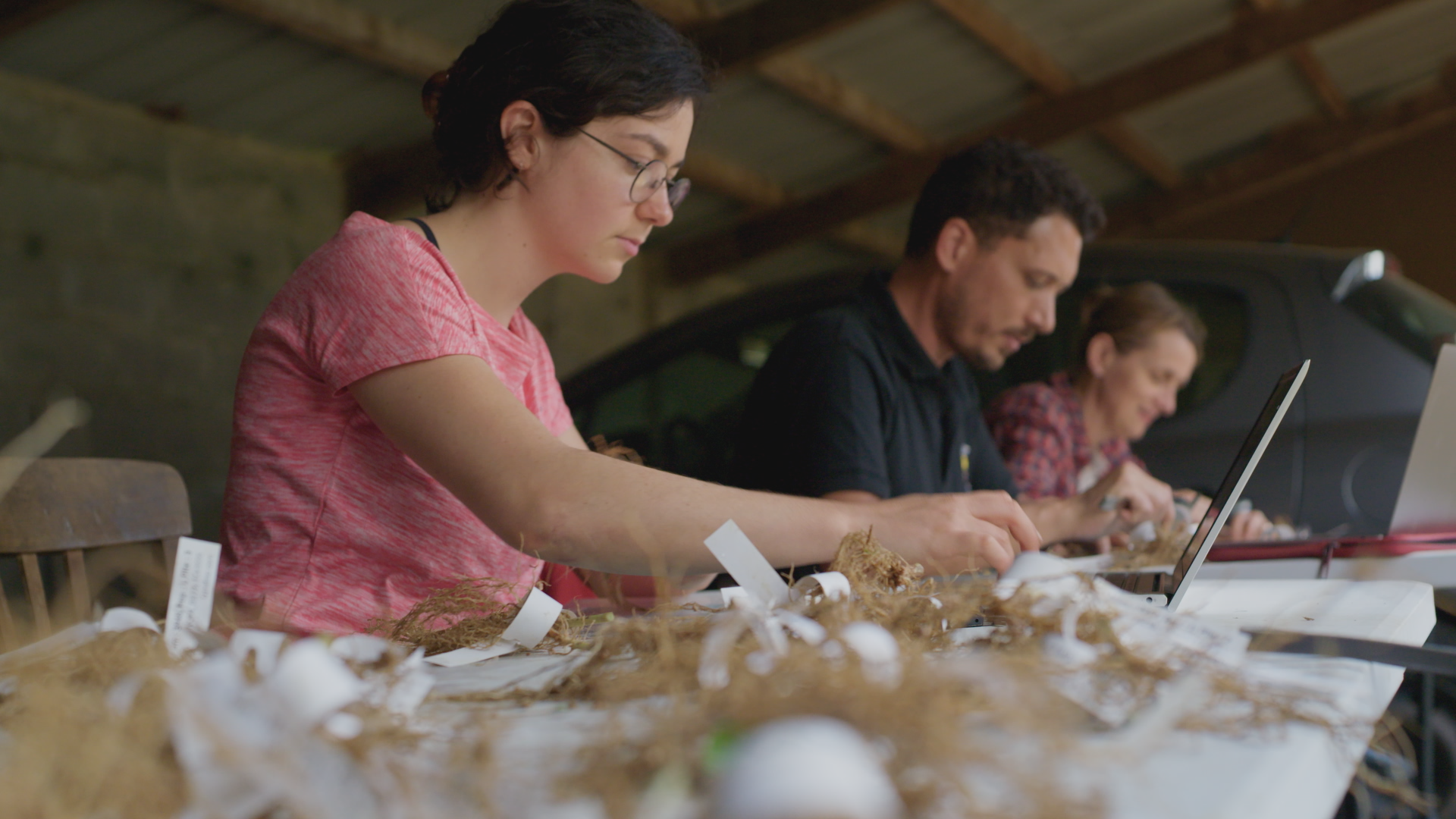
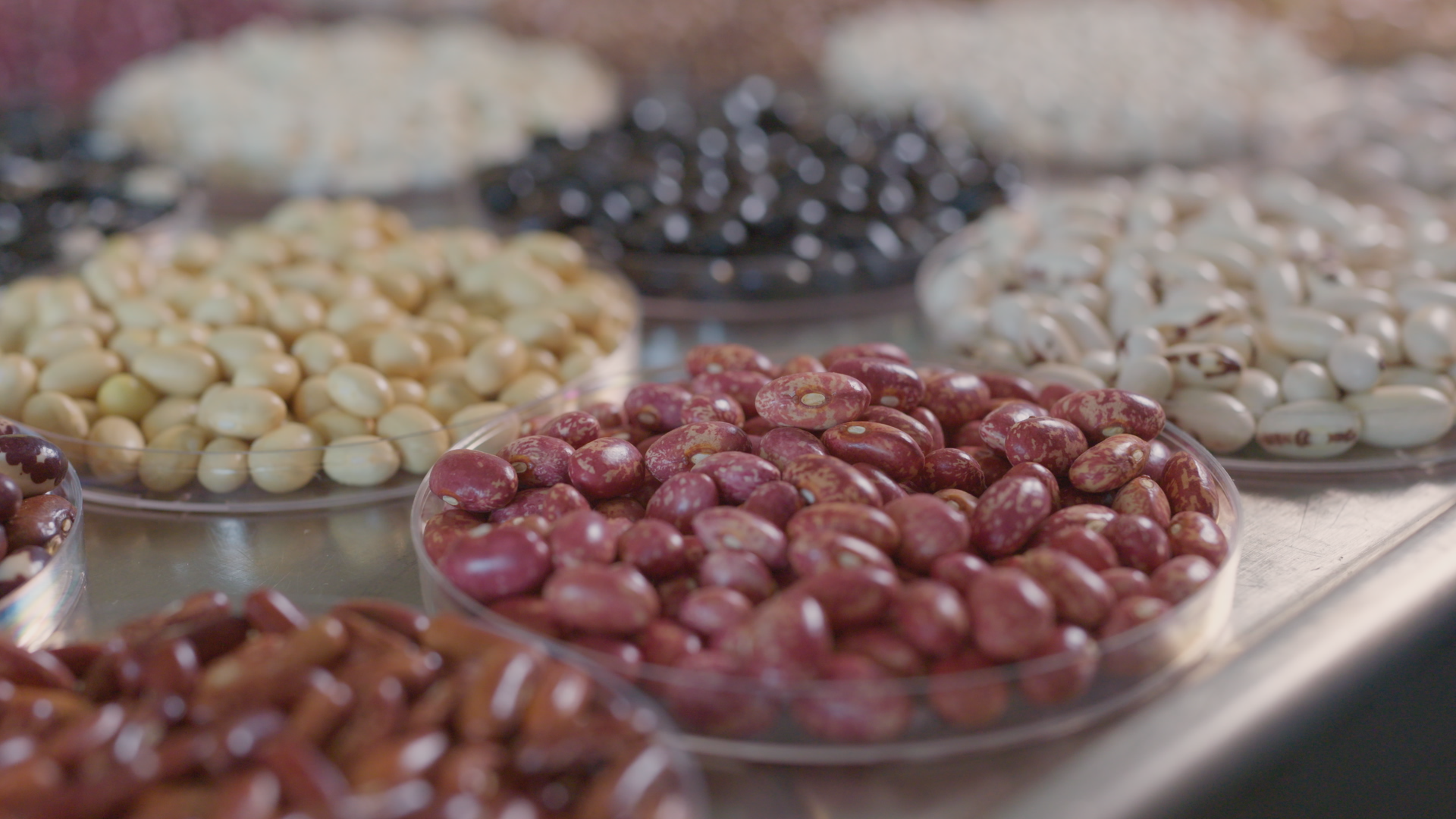
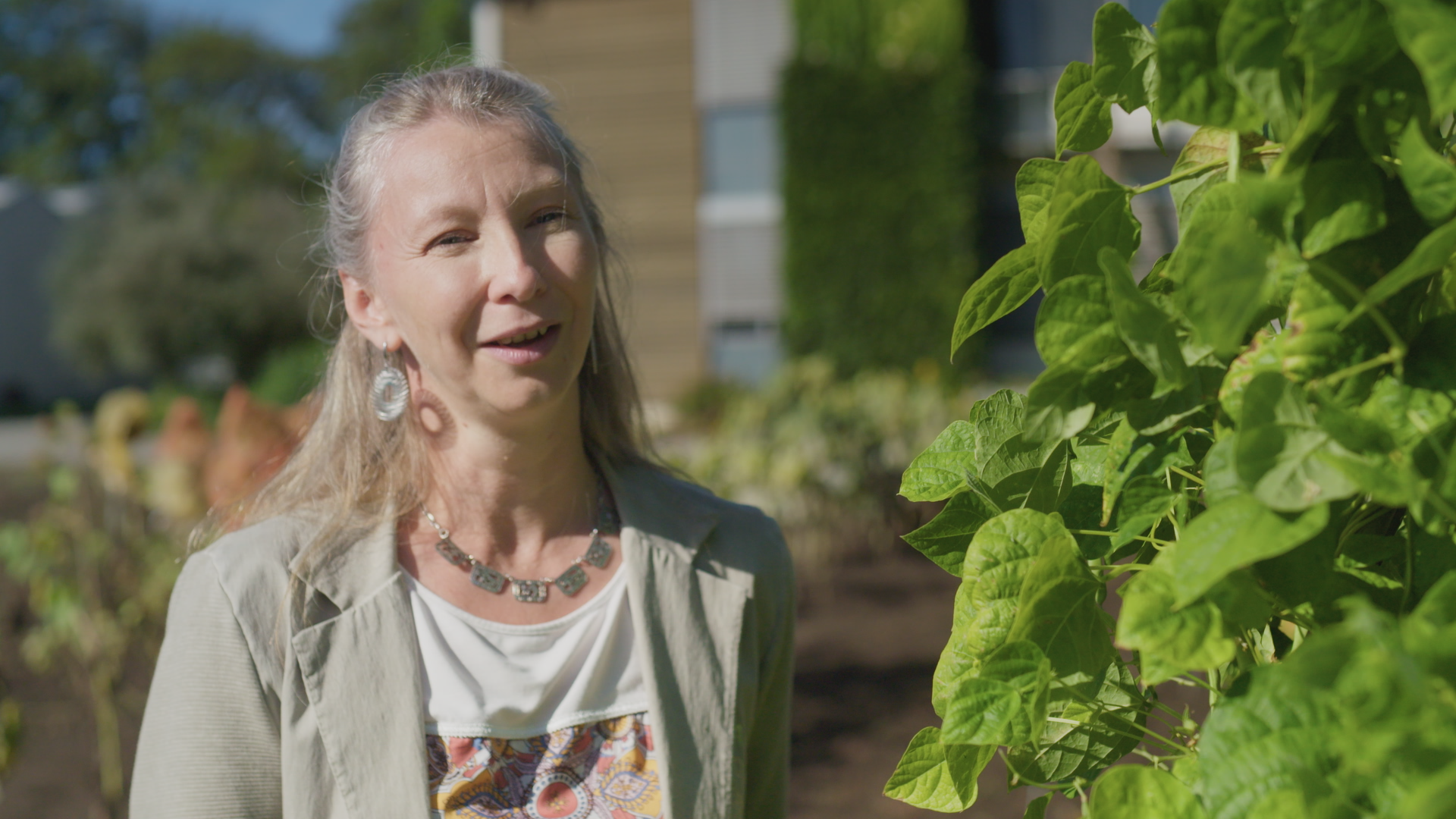
So it's high time that scientists took a closer look at the power legume and conducted a citizen experiment to investigate which varieties of the world's oldest crop will work best in Europe in a climate-adapted way. As part of INCREASE, over 1,000 varieties of the common bean will be cultivated by amateur gardeners in 27 European countries and characteristics such as growth, flowering time and yields will be meticulously documented for scientific purposes. The film follows the experiment and some of the participants with their different results. How else can we increase our knowledge about the diversity of beans?

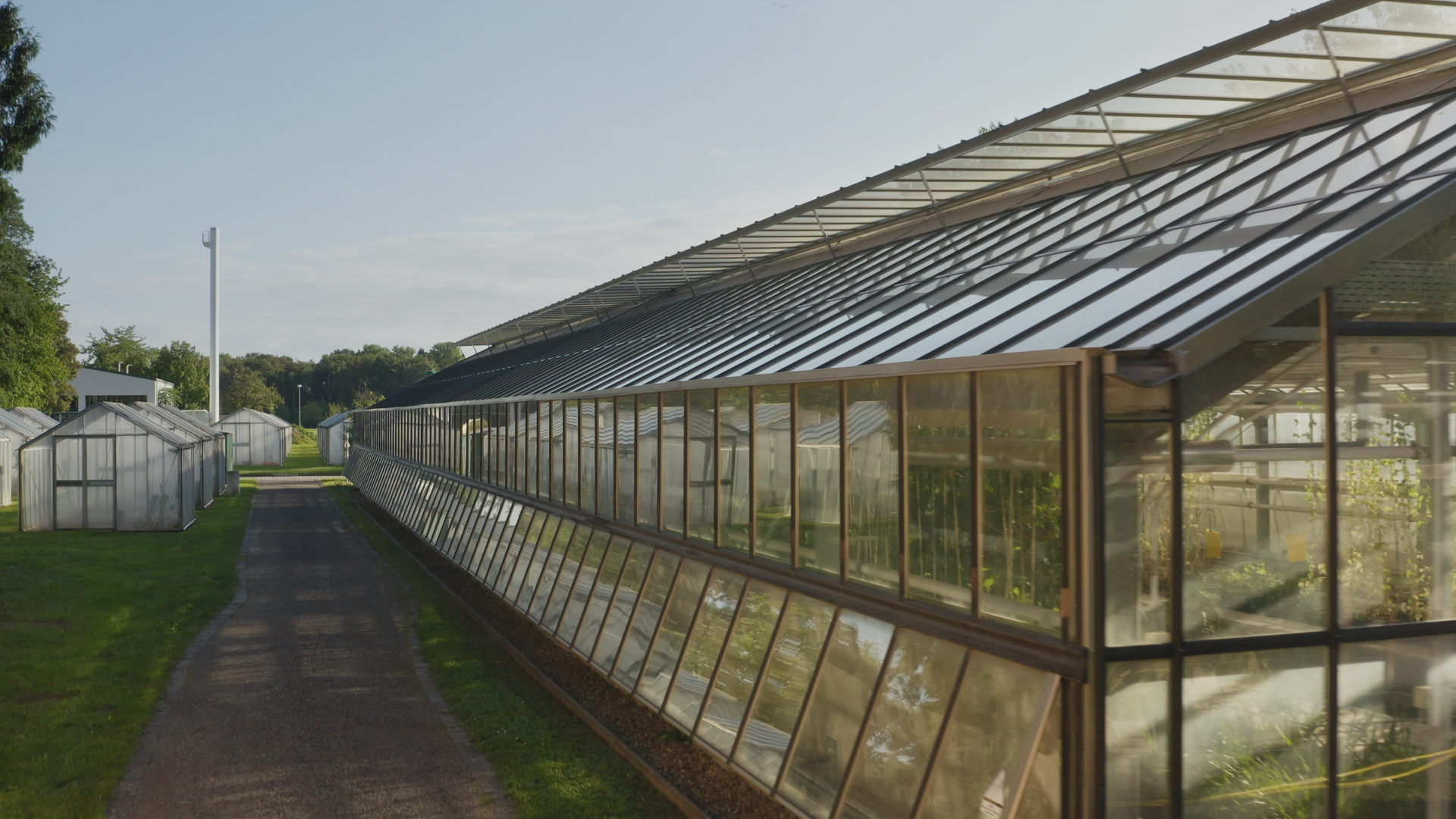
While Dr. Kerstin Neumann at the Leibniz Institute of Plant Genetics and Crop Plant Research in Gatersleben, Saxony-Anhalt, leads the experiment and is committed to the preservation and use of (old) bean varieties, pulses and beans have always been part of the menu in Italian cuisine. In her restaurant in Chiusi, Tiziana Tacchi prepares regional varieties in a traditional climate-friendly cooking box.

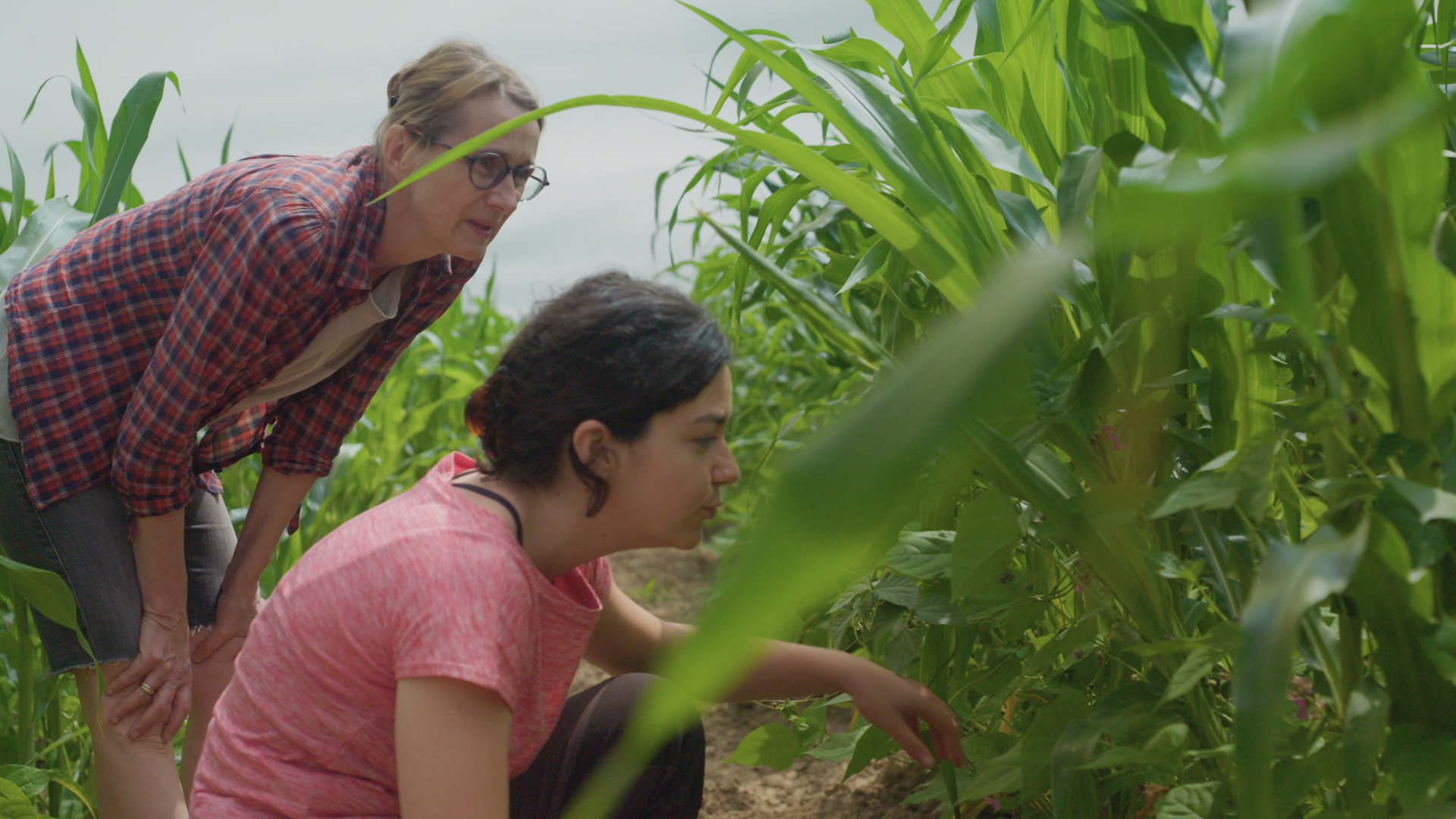
Scientists are investigating the genetic characteristics of a bean and maize combination in fields in the south of France. What synergies make certain varieties high-yielding, sustainable plant partners?

In the Rhineland, farmer Karl-Adolf Kremer relies on the field bean as a sustainable, protein-rich crop that not only enriches the soil and provides food for insects and farm animals, but also has great potential for human nutrition.

Researchers in Halle (Saale) are therefore working on improving the digestibility of pulses so that nutritional and physiological benefits can be incorporated into innovative foods.

Because only those who know beans and know how to use them in their diversity will continue to give them value in the future. These are primary school children who rediscover the "dusty" vegetable in the school garden or bean enthusiasts from all over Europe who share and spread their bean wealth in Capannori in Tuscany and thus save it from extinction.


Client

ARTE/ MDR

Governments

Jasmin Lakatoš

Production

In one media

Technical data

Length: 52 min

Category

Documentaries and television reportage

Share This

Animals in a frenzy
Species conservation 2.0 - Using high-tech to combat species extinction

Species conservation 2.0 - Using high-tech to combat species extinction
  • March 22, 2024/
  • Posted by: Carolin Redenz/
  • 0 comments /
  • Under:

Species protection 2.0

D 2024

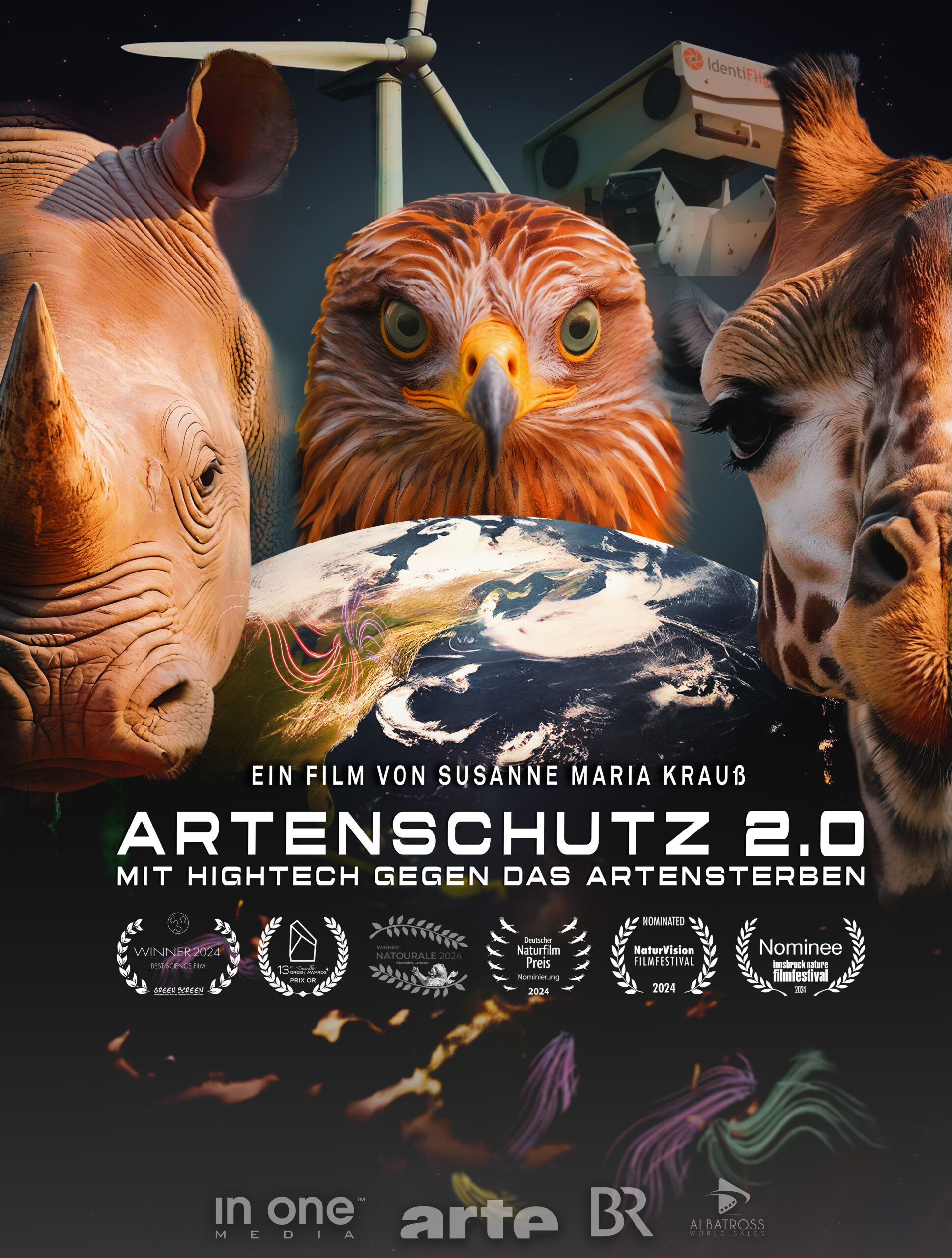
Scientists around the world are working to protect animals threatened with extinction. Because the sixth extinction of species is in full swing. Around 150 species disappear every day. In the race against time, researchers around the globe are now relying more and more on high-tech.

The visually stunning documentary is a journey to various scientists, start-ups and conservationists who are working flat out on futuristic technologies.

Martin Wikelski's idea is an internet of animals. The Director at the Max Planck Institute of Animal Behavior is researching the movement patterns of animals worldwide. His big data platform Movebank already contains over six billion GPS points. A global prediction system for life on earth is within reach.

In Germany, high-tech is to protect endangered bird species from being killed by wind turbines. At its heart: a camera-based system that uses artificial intelligence to recognize in seconds whether a red kite or eagle is approaching and stops the rotor blades in time.

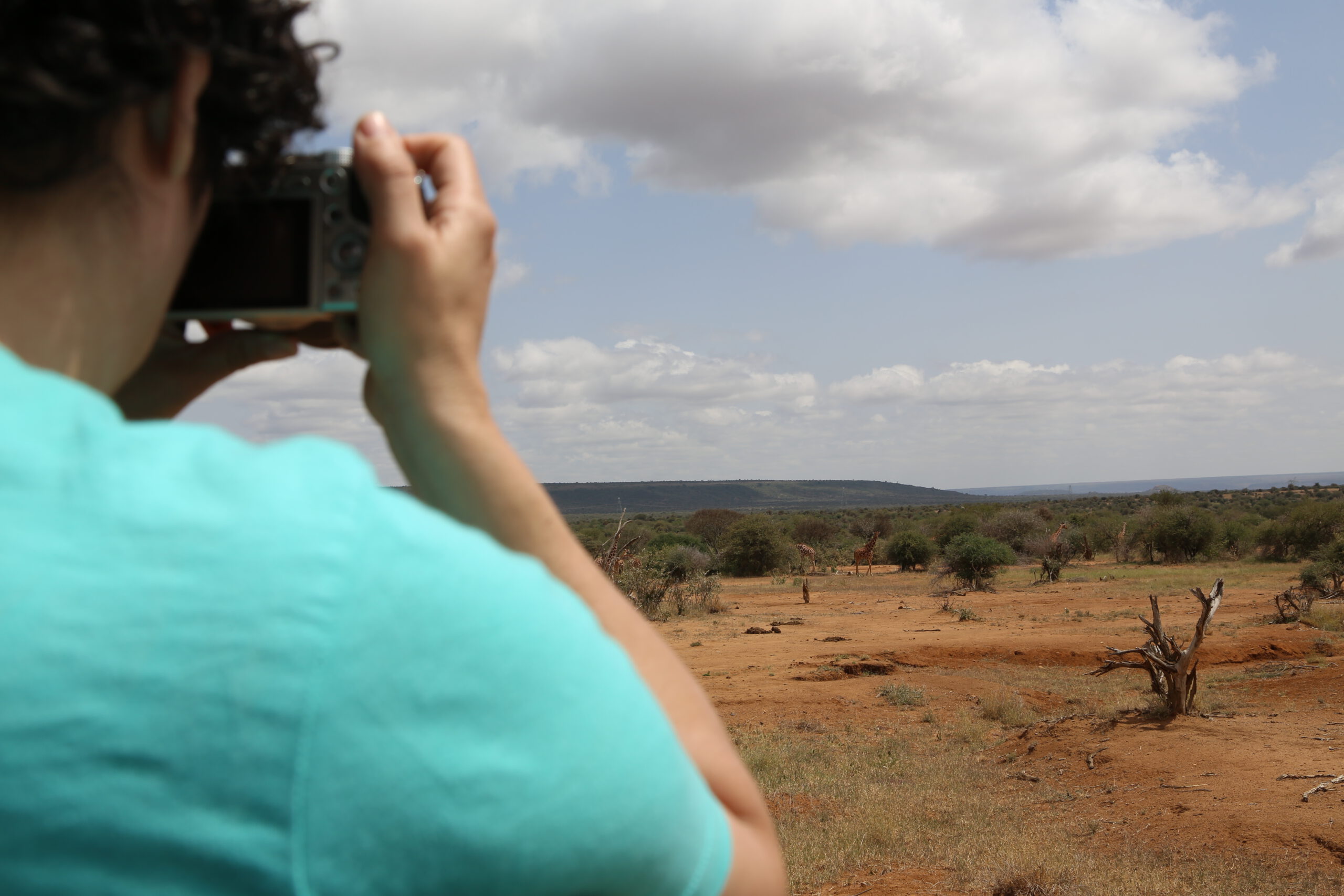
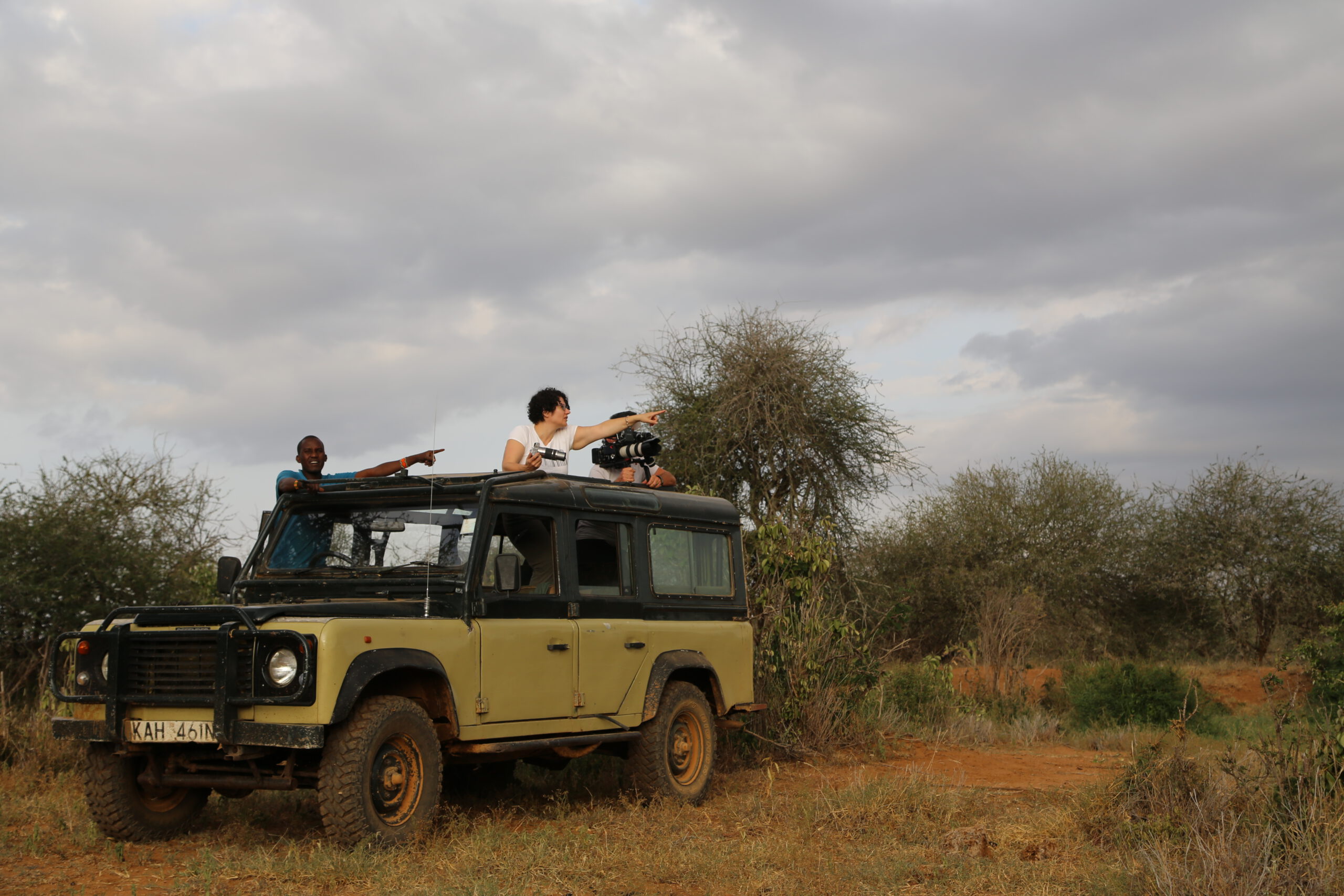
In Kenya, AI software is set to help determine population figures faster and more accurately than before using photos. In the shadow of Africa's "Big Five", the numbers of giraffes have declined massively in recent decades.

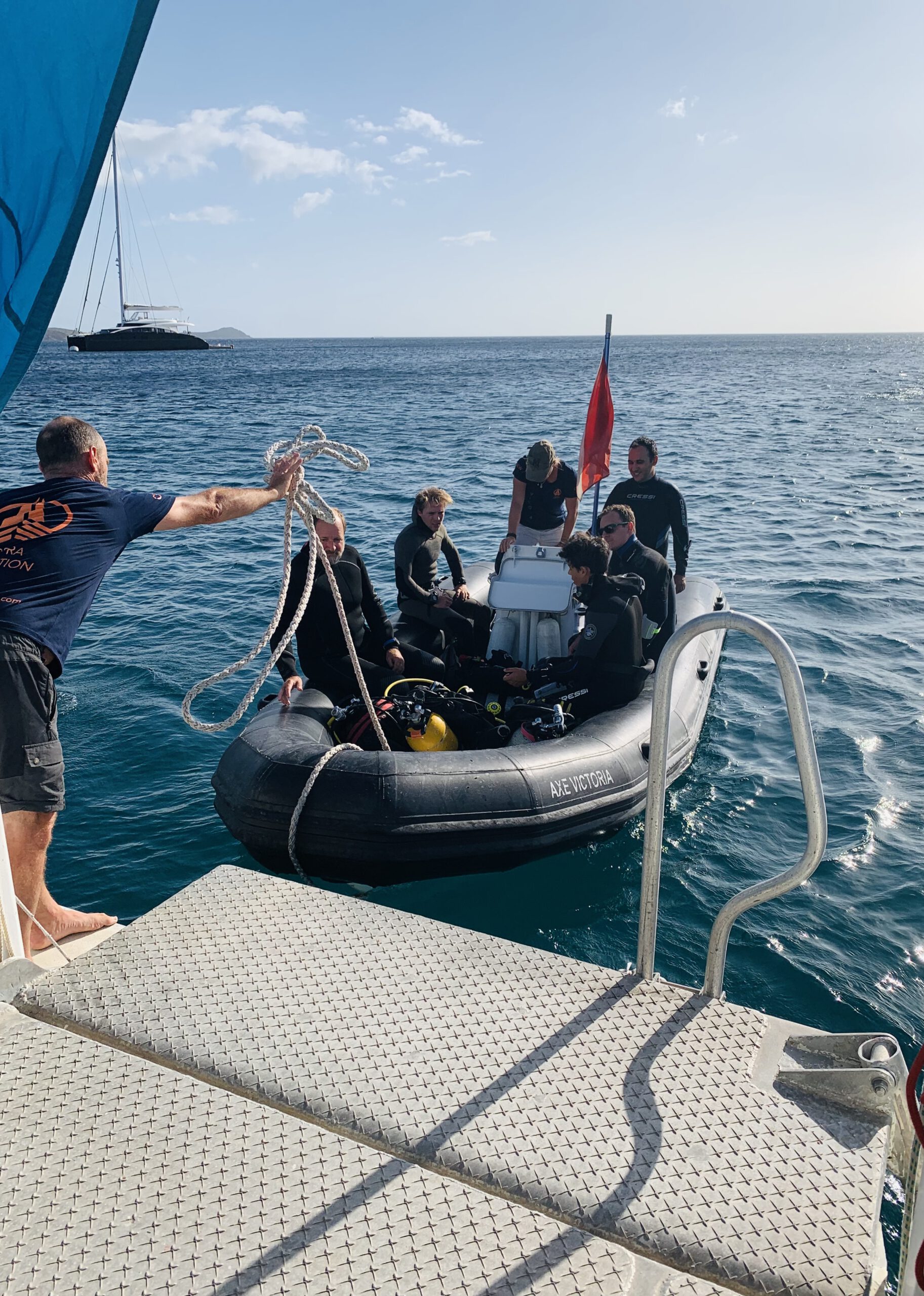
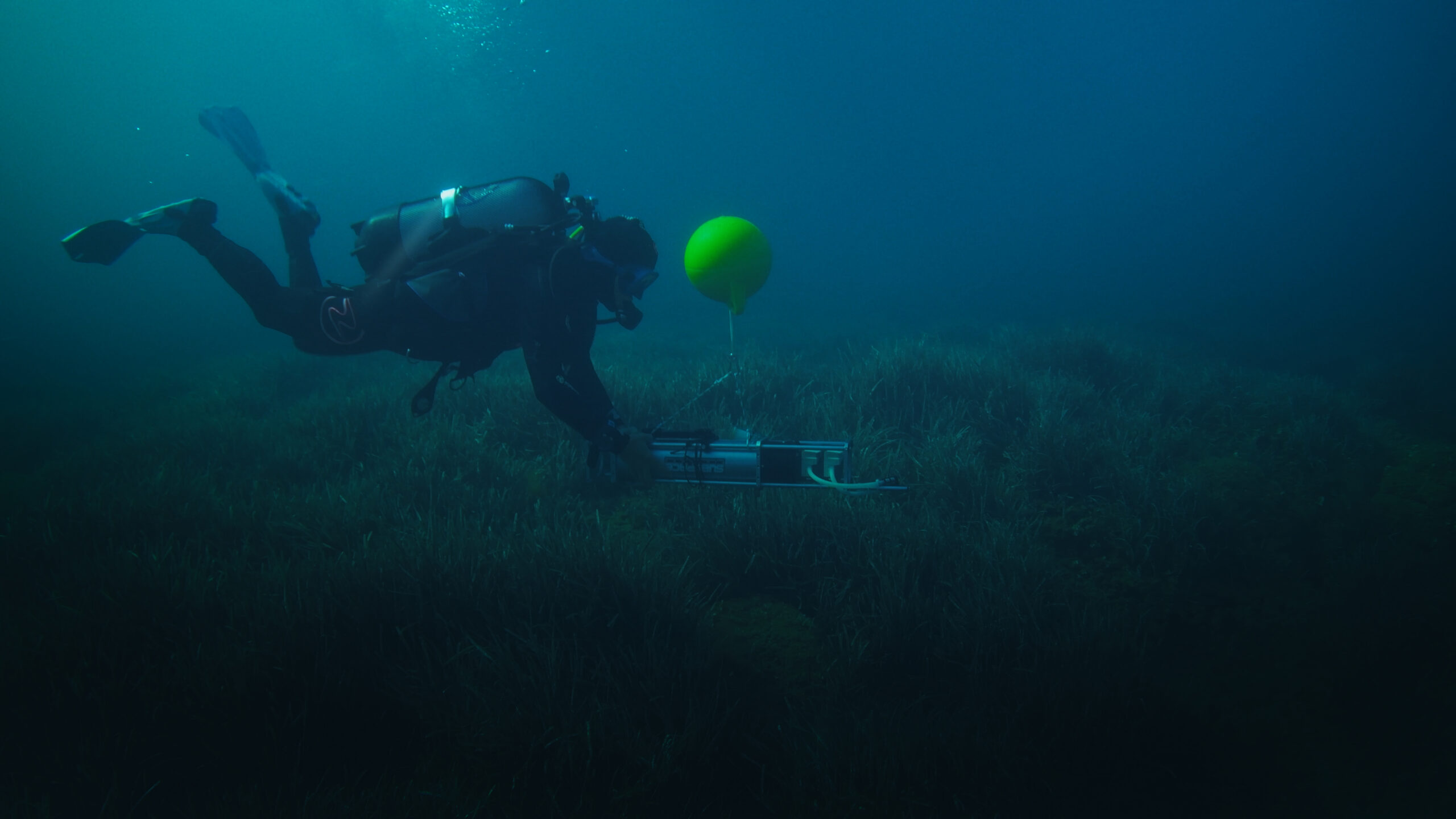
And off the coast of Corsica, marine biologist Alicia Dalongeville sets off in search of a species that was thought to be extinct: the angel shark. She fishes in the depths for eDNA, also known as environmental DNA. Detective work in the Mediterranean!

Can high-tech become the key to species protection?


Governments

Susanne Maria Krauß

Production

In one media

Technical data

Length: 52 min

Category

Documentaries and television reportage

Share This

Superfood beans
Purple Disco Machine - From Dresden to the World

"Purple Disco Machine - From Dresden to the World" by Marcus Fitsch
Purple Disco Machine - From Dresden to the World
  • March 18, 2024/
  • Posted by: Carolin Redenz/
  • 0 comments /
  • Under:
Purple Disco Machine

D 2023

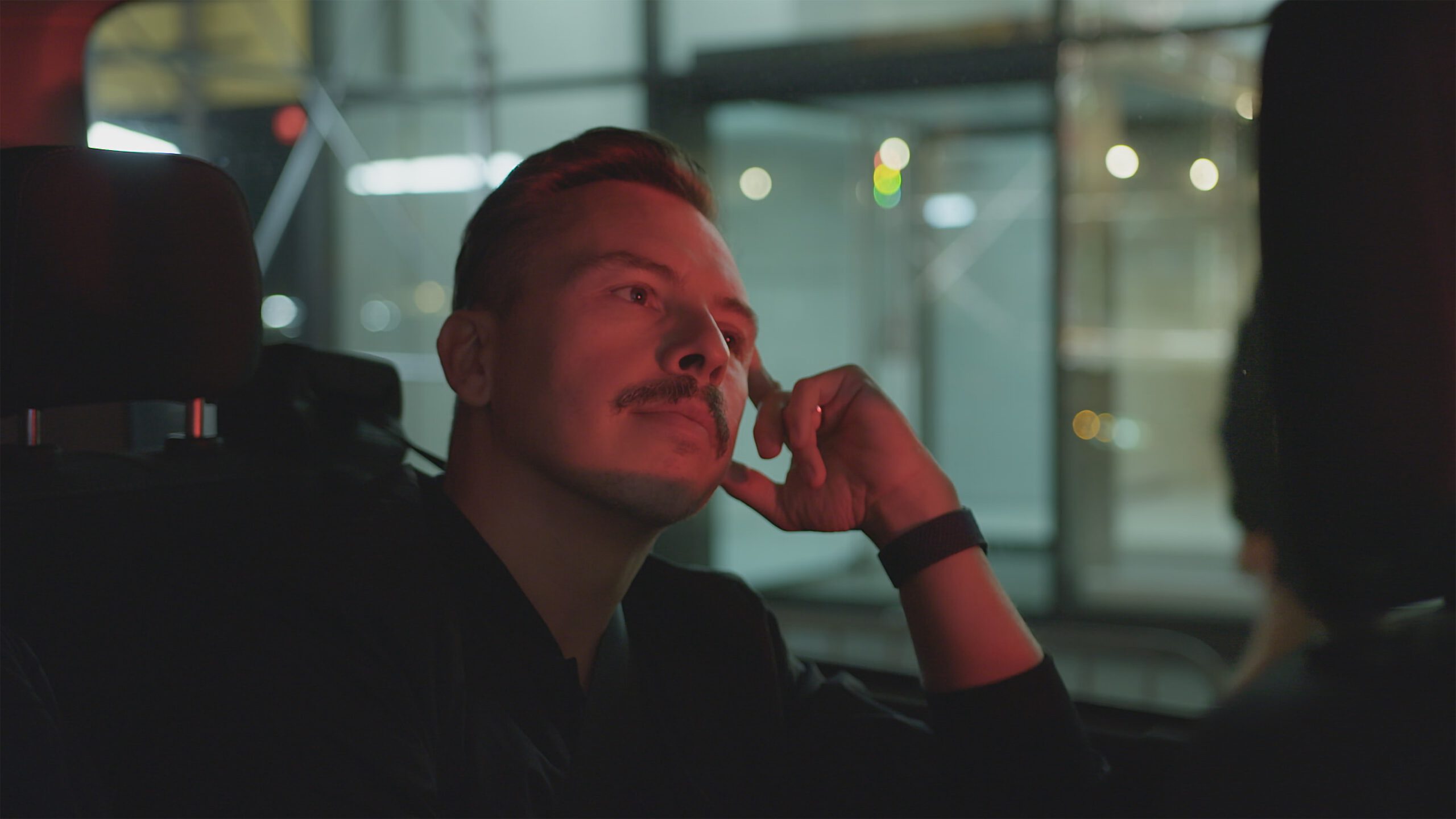
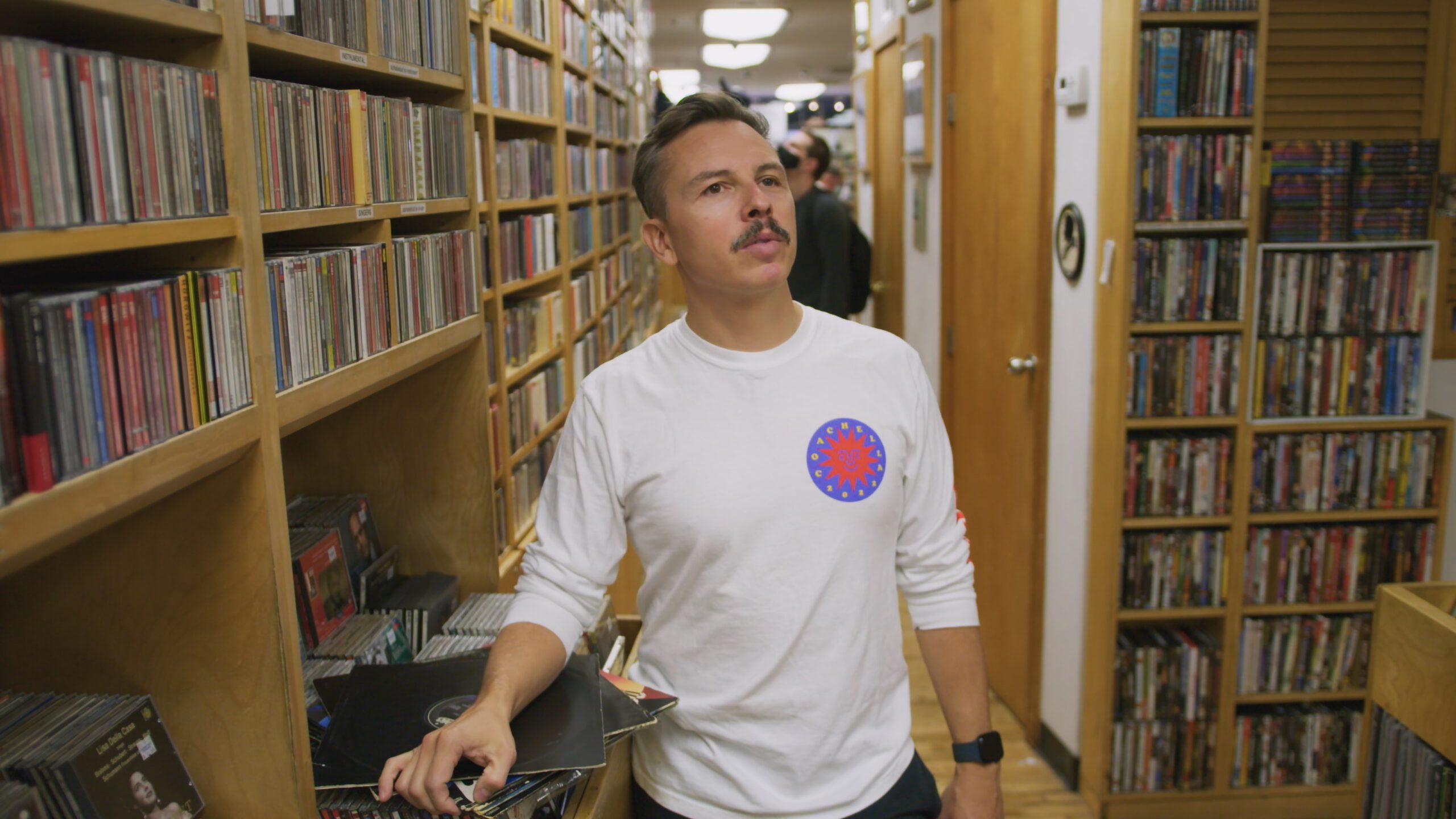
His music plays up and down the radio. His concerts are sold out worldwide. And one of his remix tracks even won a Grammy in 2023. And yet few people know his face - especially in his native Germany. Dresden-born Tino Piontek a.k.a. "Purple Disco Machine" is an international star who plays on the world's most important DJ stages. We were allowed to accompany him with the camera and asked him personally and some of his music colleagues about the "Purple Disco Machine" phenomenon.

Governments

Marcus Fitsch

Production

In one media

Technical data

Length: 45 min

Category

Documentaries and television reportage

Share This

Species conservation 2.0 - Using high-tech to combat species extinction
Suddenly Silence - Wildlife in the Pandemic

Suddenly Silence - Wildlife in the Pandemic
  • May 11, 2023/
  • Posted by: Carolin Redenz/
  • 0 comments /
  • Under:
Sudden silence

D 2023

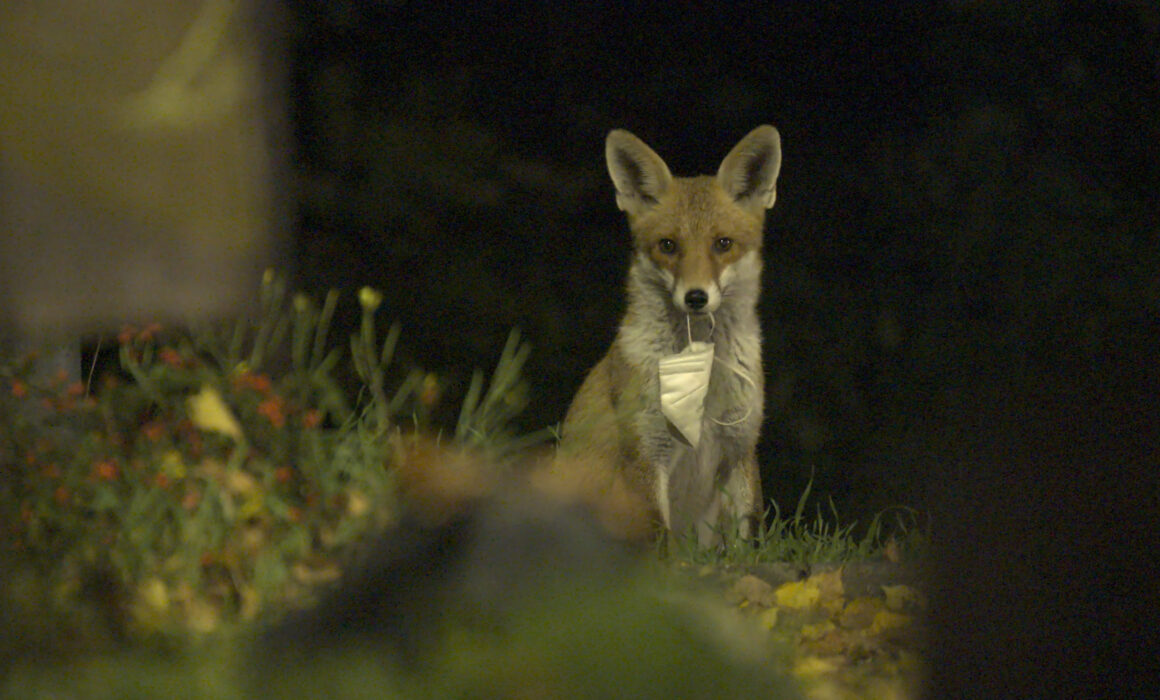
April 2020. A virus is forcing people around the globe to restrict their freedom of movement. It is estimated that by spring 2020, more than half of the world's population would have to stay at home. Governments around the globe had responded to the escalating COVID19 crisis with strict lockdown and quarantine measures. And suddenly, humans were much less omnipresent than they usually are. Suddenly there was silence.

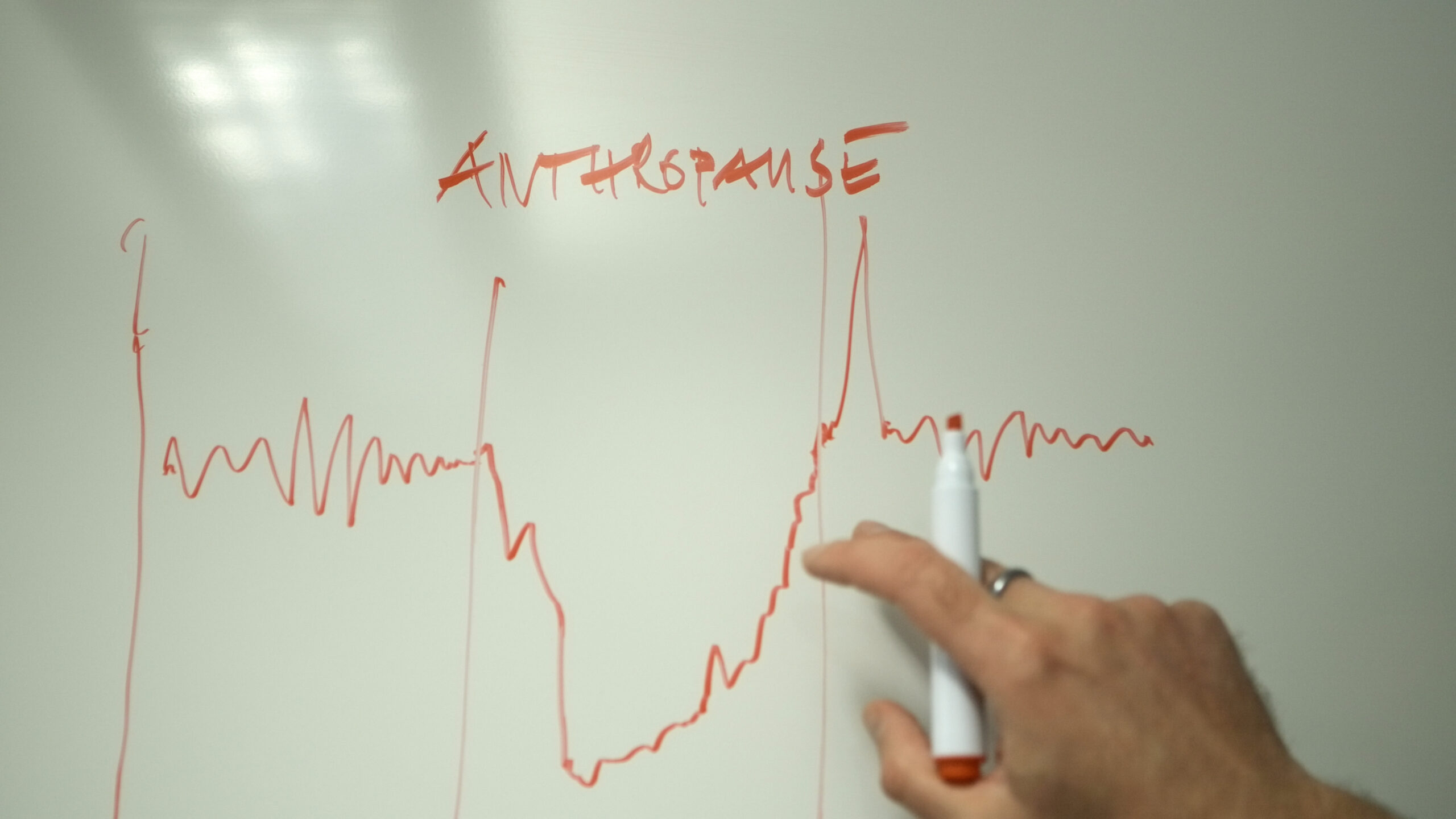
Researchers quickly realized: This is a once-in-a-lifetime opportunity! For although the COVID19 pandemic has led to a tragic global crisis, it represents a unique opportunity to study the impact of our human actions on wildlife and the environment in general. A gift to science.

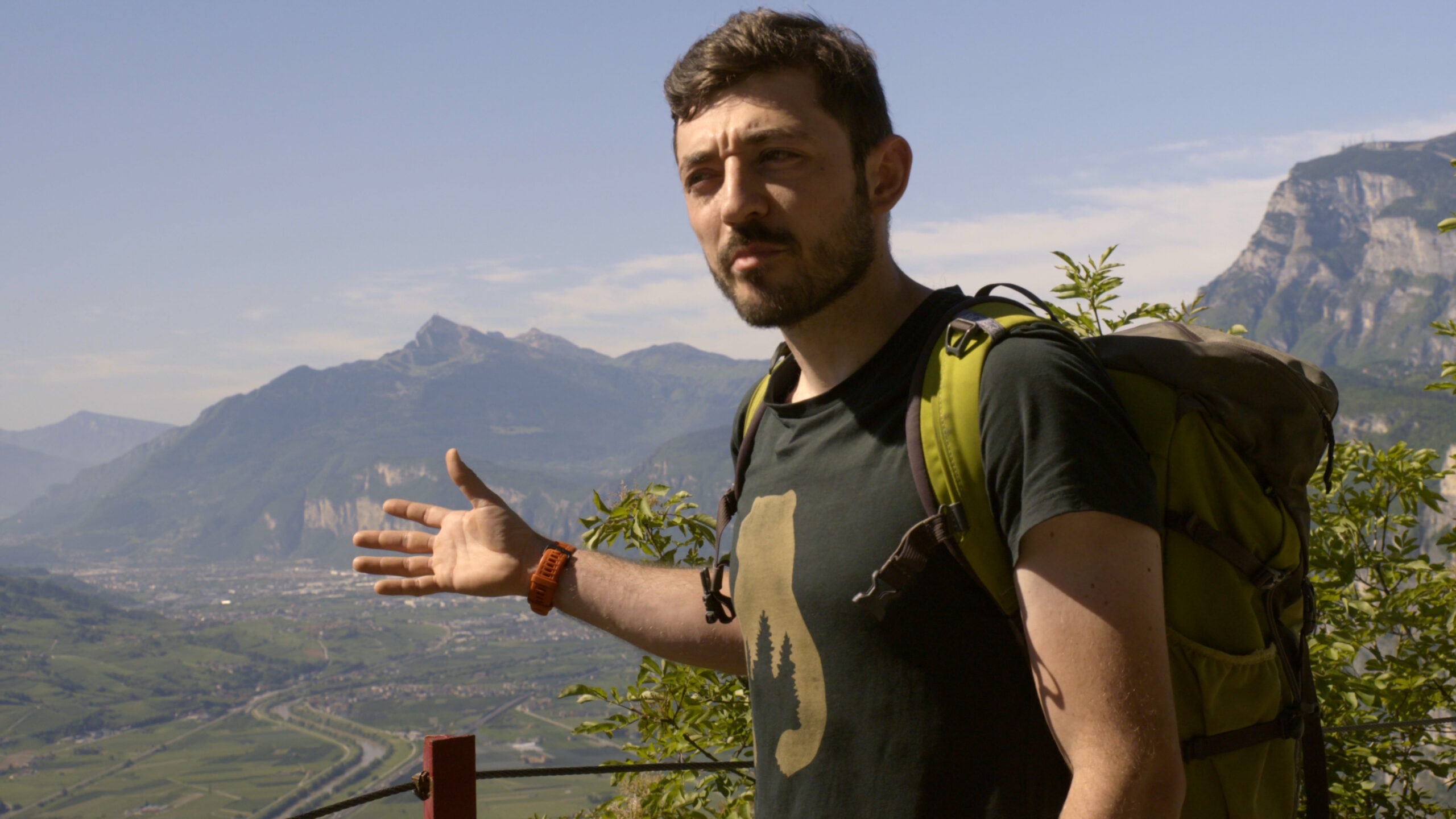
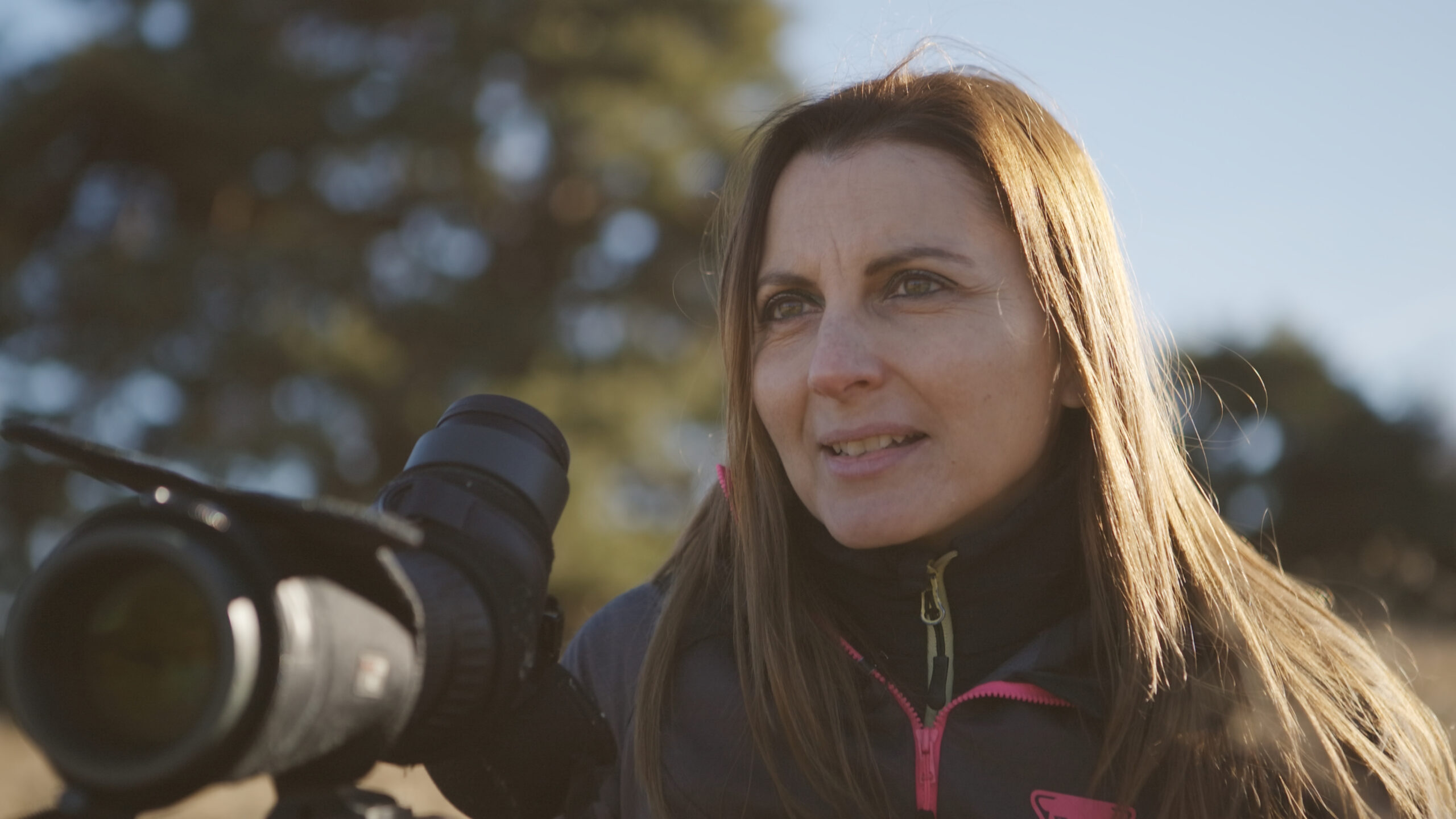
An international team led by behavioral ecologist Prof. Christian Rutz from Hamburg is analyzing movement data from animals around the world for this purpose. Mini transmitters, video cameras and photo traps have recorded the hidden lives of wild animals - before, during and after the lockdown. A unique global experiment! How have animals changed their movement patterns or behavior? And can the pandemic be an opportunity to develop strategies for better human-wildlife coexistence? Rutz, who teaches at the University of St. Andrews in Scotland, sees great opportunities in the study: "We can find out how humans can share the rather limited space on this planet with other animals. Sometimes it could be restructuring transportation networks, sometimes it could be closing beaches during breeding seasons. Even if humans can't always stay lockdown - and no one is asking us to - small changes in our everyday behaviors could benefit nature."

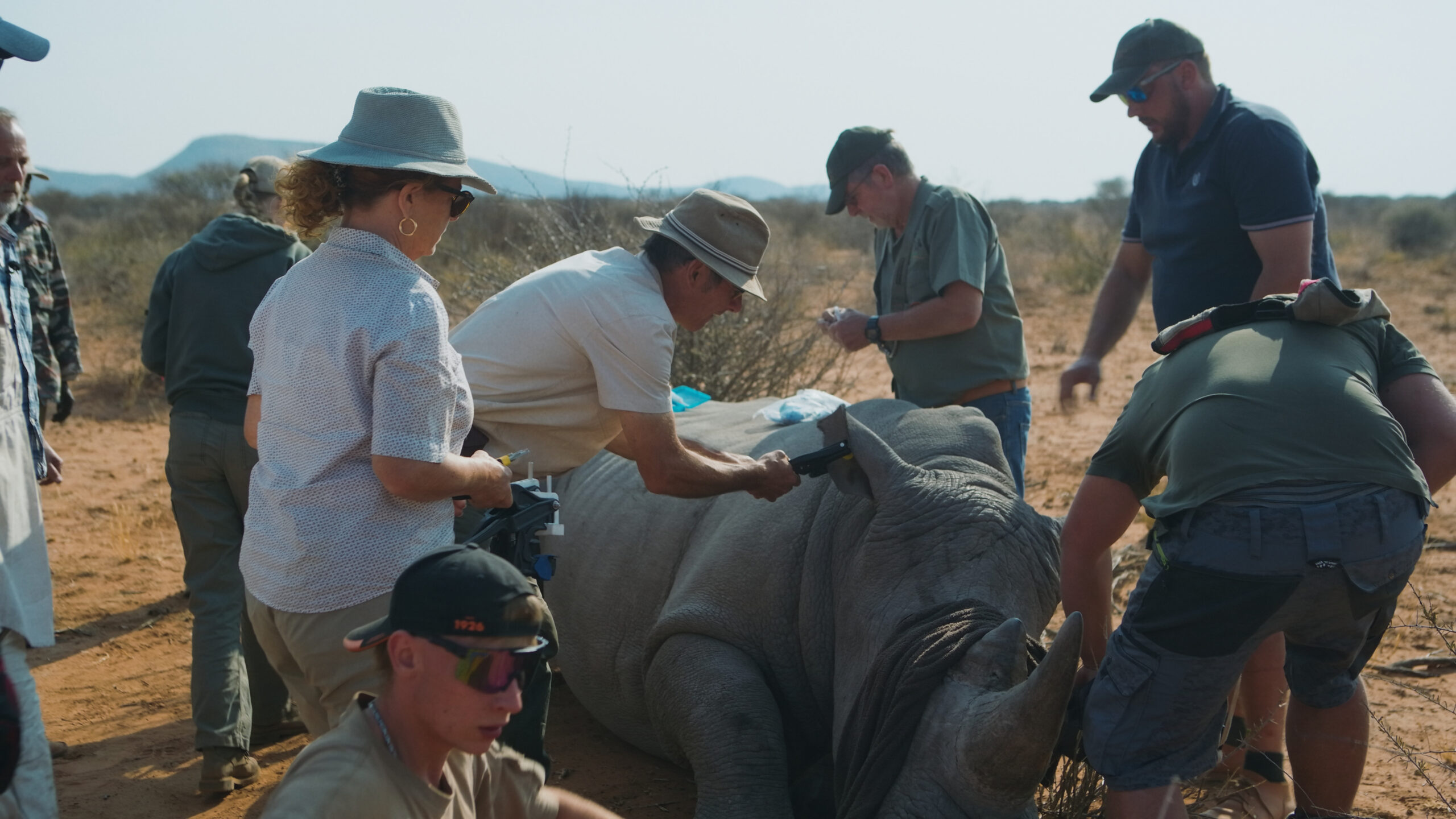
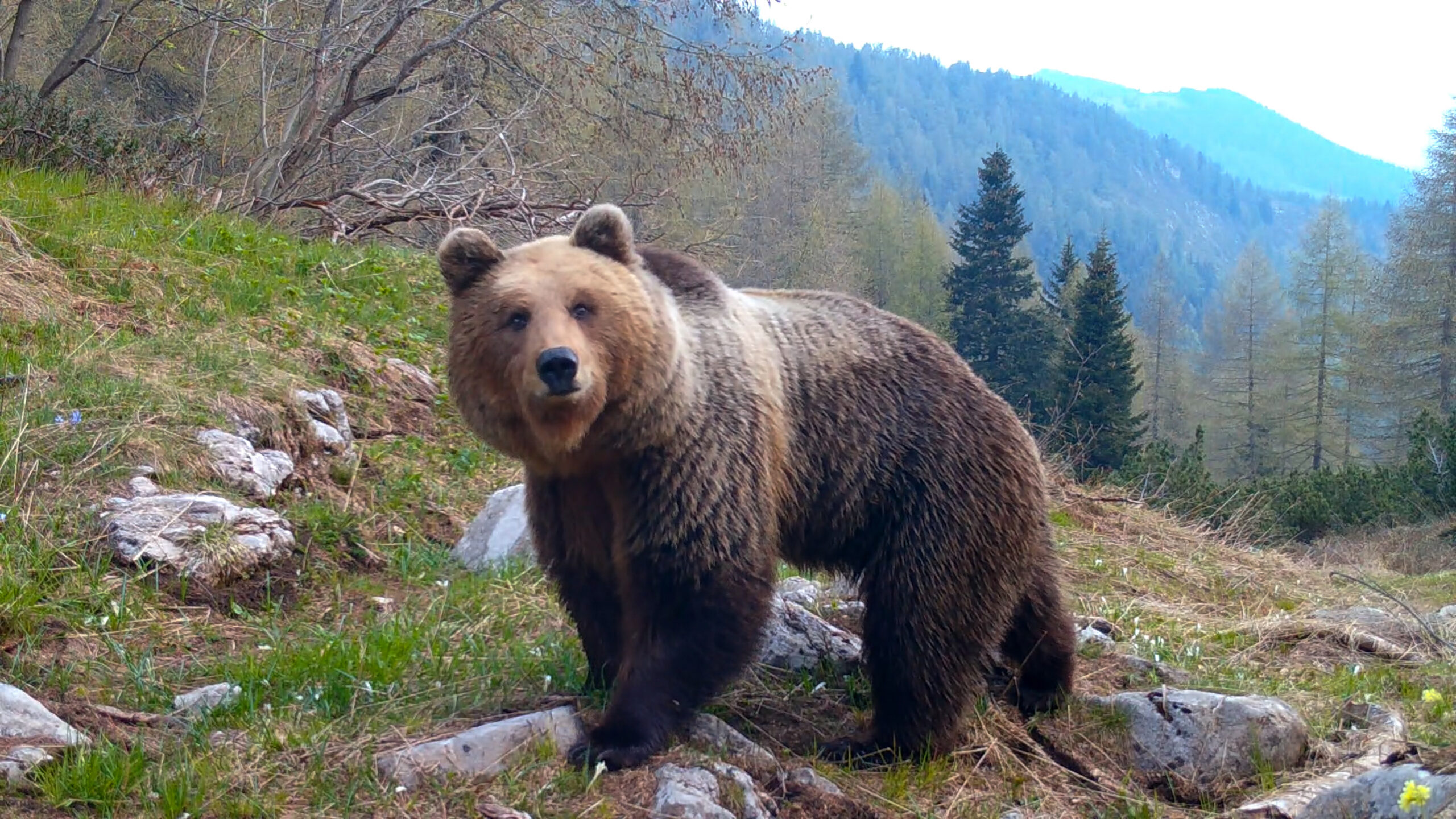
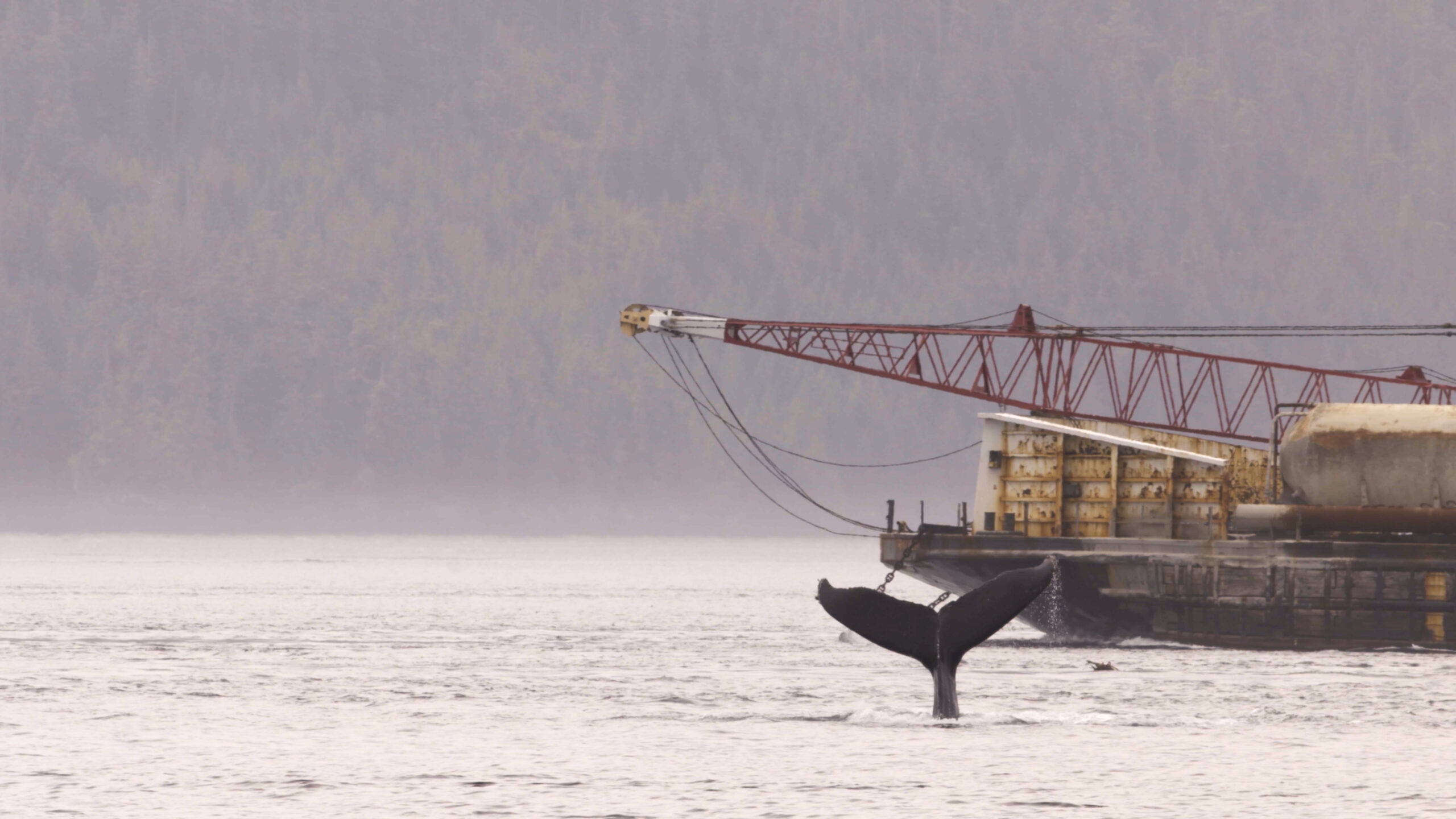
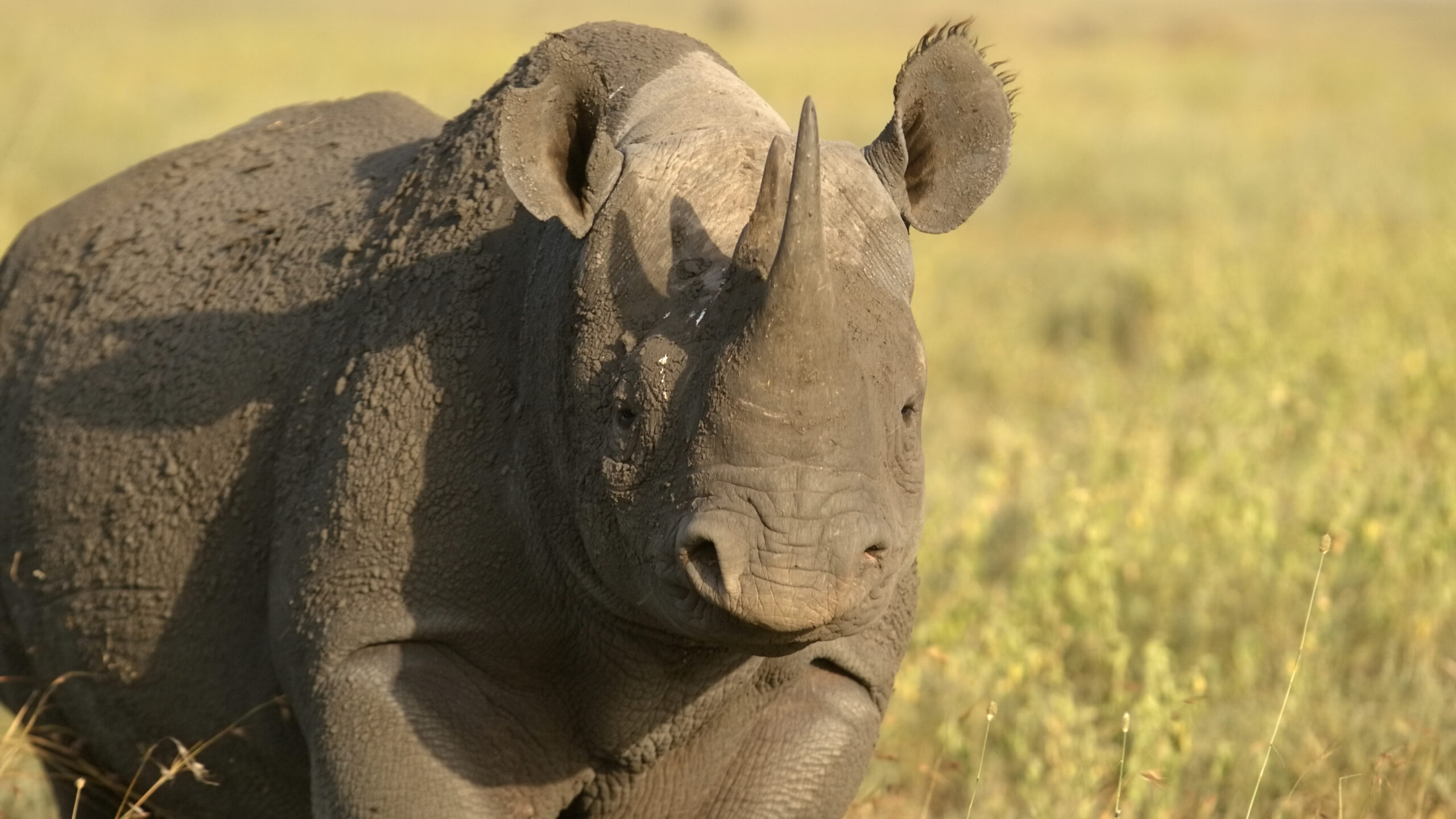
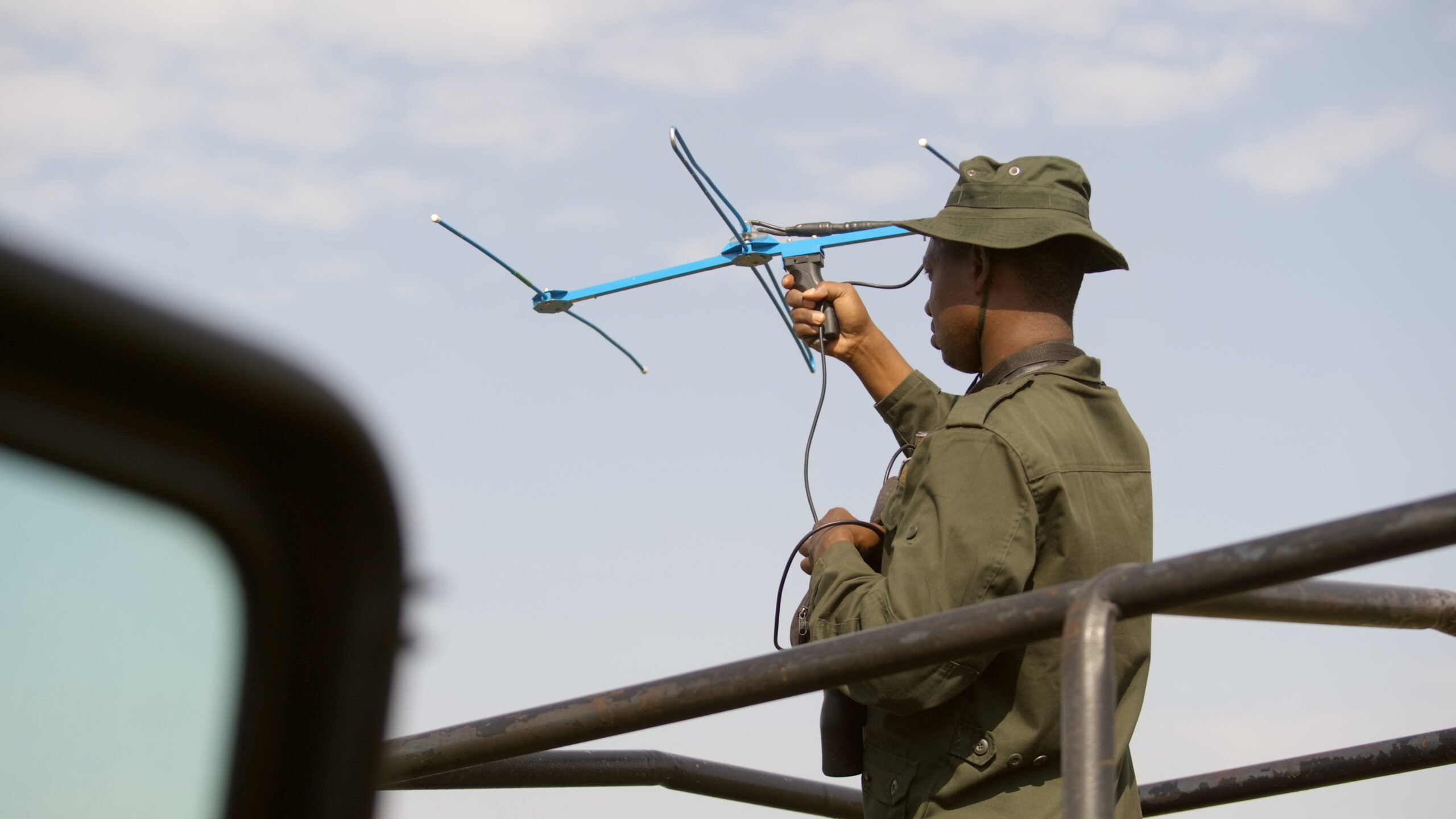
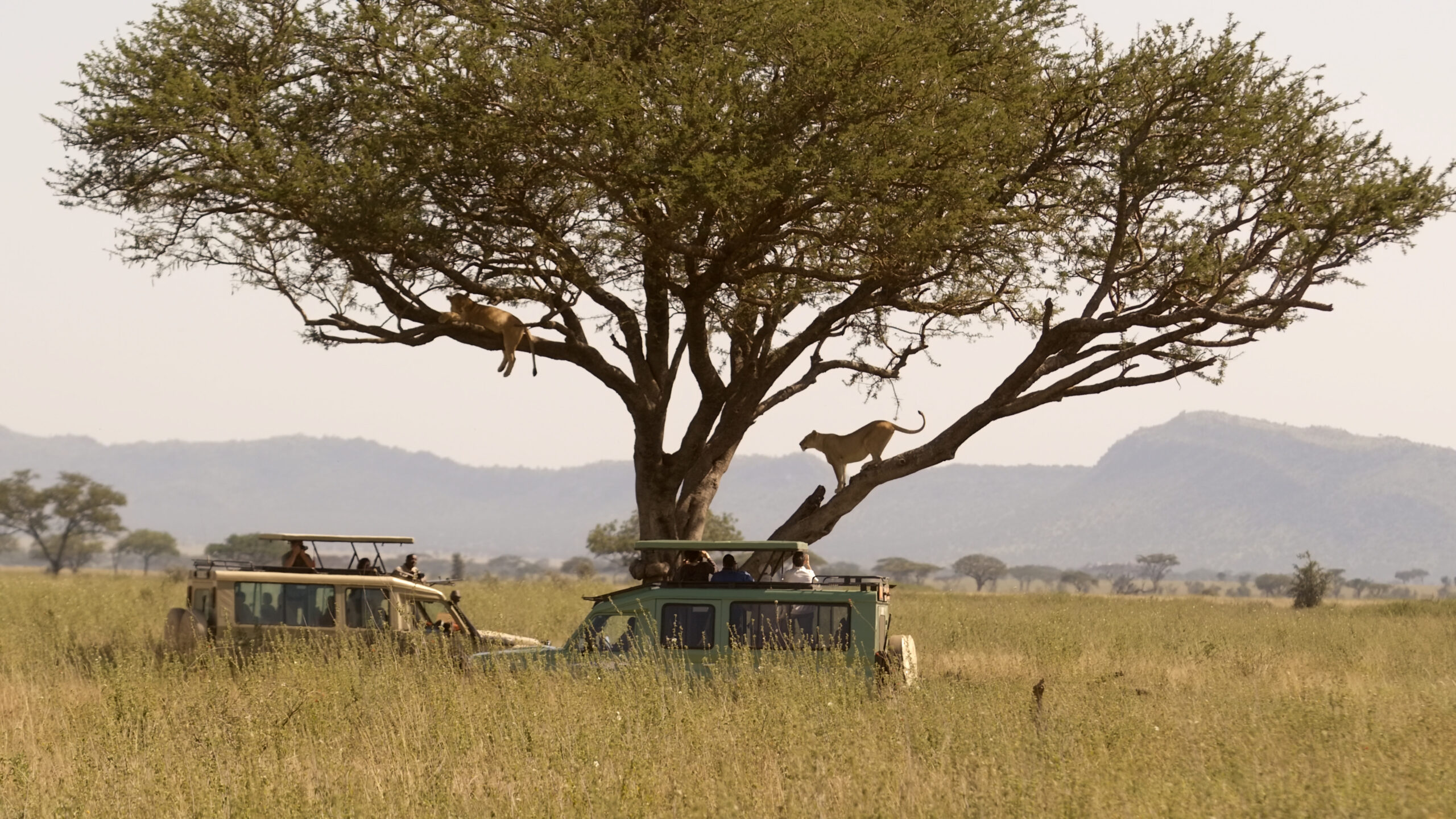
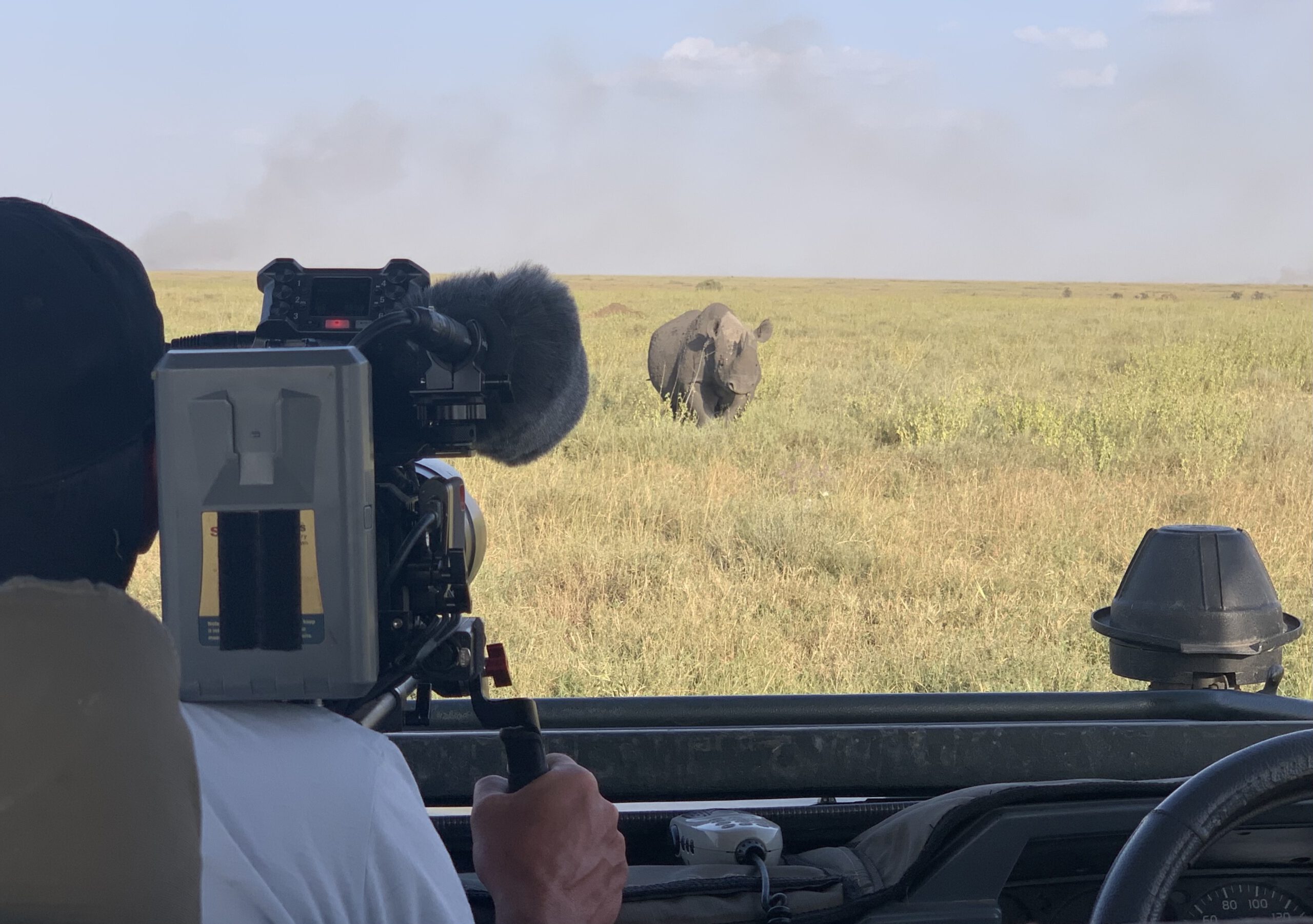
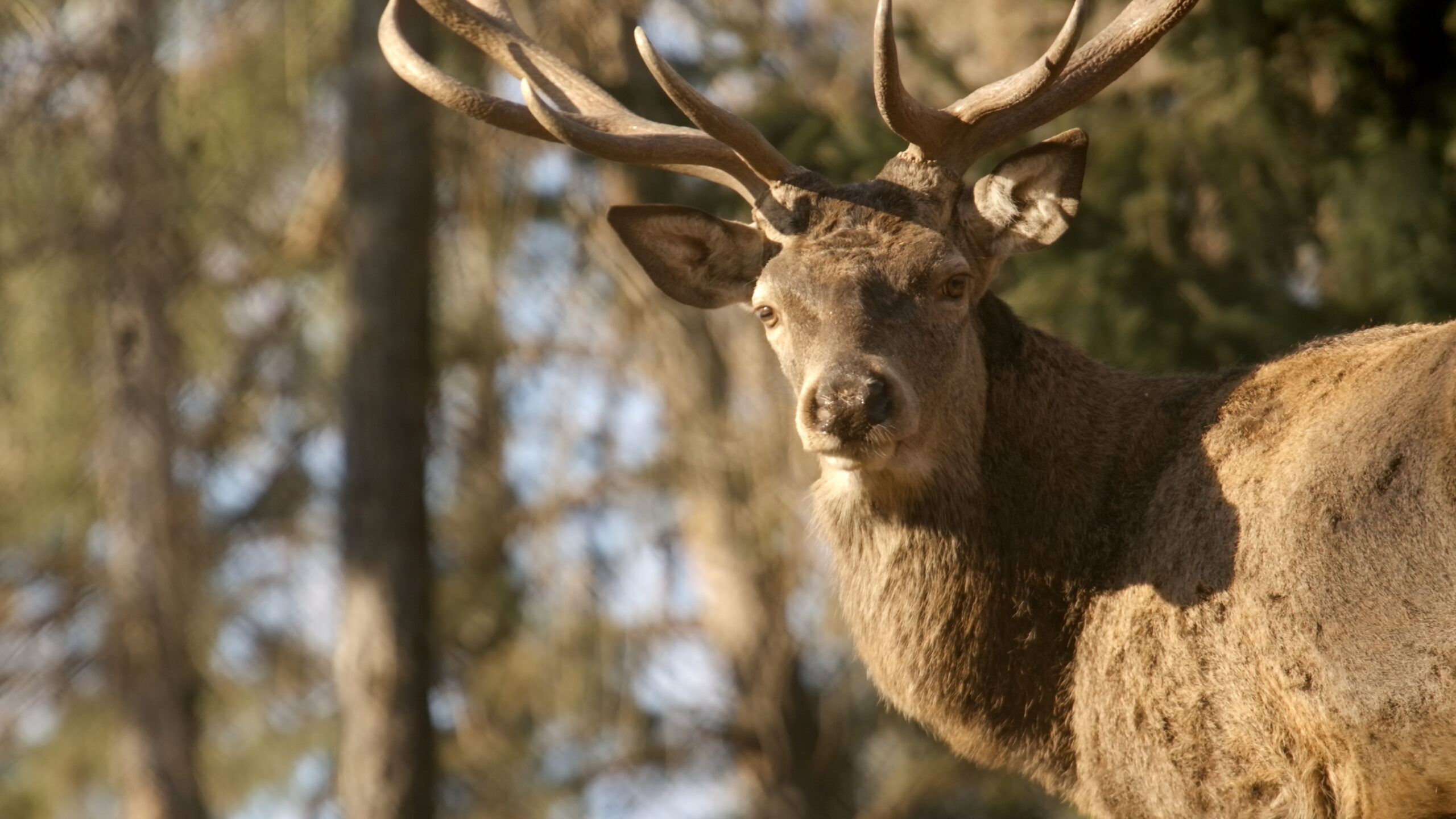
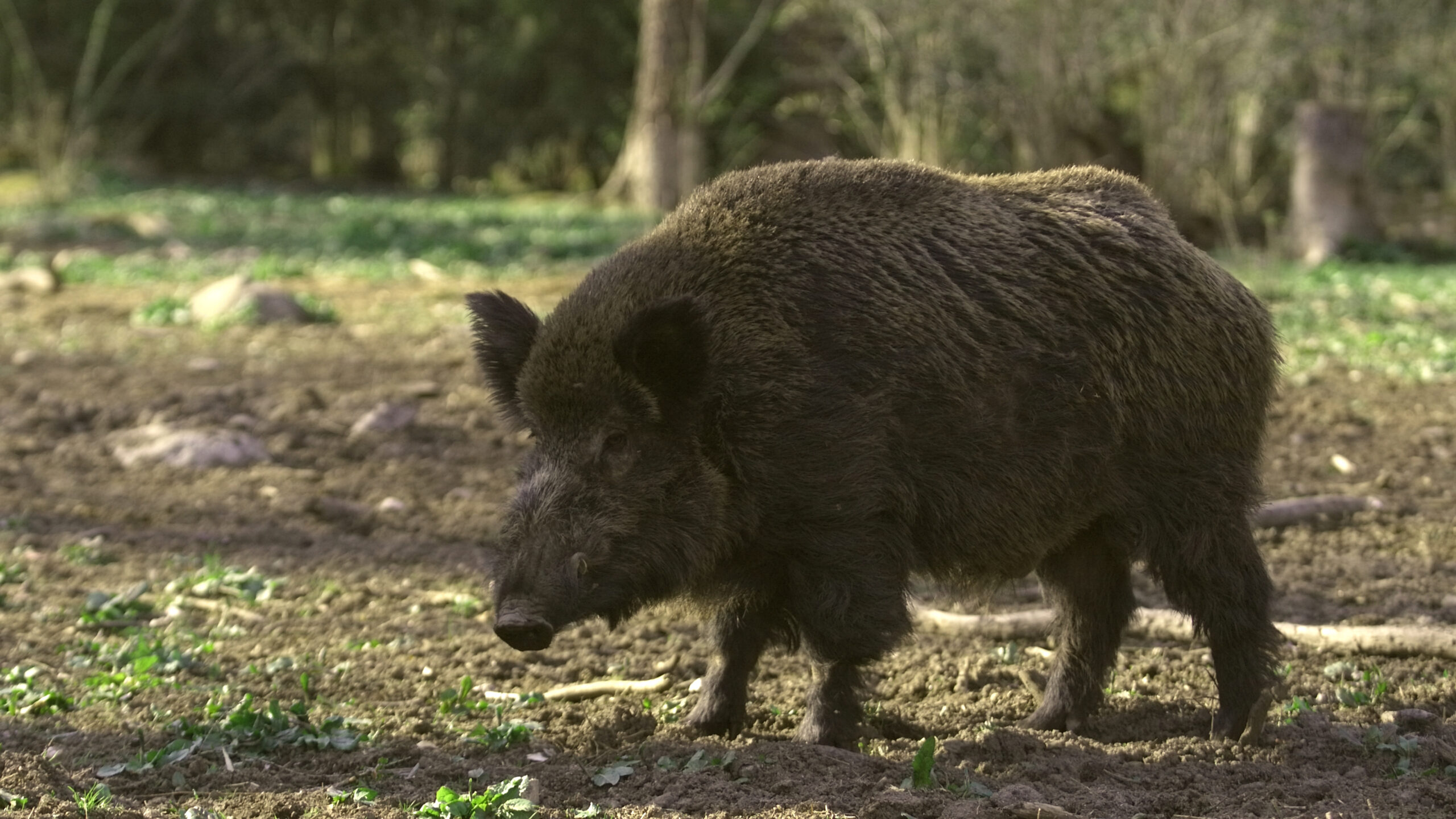
Sudden silence accompanies scientists around the world, for example in Italy, the Czech Republic, Canada and Tanzania. The film illustrates the effects of the break from humans (the so-called "anthropause") on wildlife such as deer, brown bears, rhinos and orca whales. At the same time, much of this data contributes to the mega-study, which is overseen by researchers Christian Rutz and Marlee Tucker. The results reveal a complex picture of need and opportunity for better human-wildlife coexistence on our shared planet.

Governments

Susanne Maria Krauß

Production

In one media

Technical data

Length: 52 min

Category

Documentaries and television reportage

Share This

Purple Disco Machine - From Dresden to the World
UFZ Portrait Films

UFZ Portrait Films
UFZ Portrait Films
  • 17 June 2022/
  • Posted by: Carolin Redenz/
  • 0 comments /
  • Under:
Portrait films UFZ

D since 2019

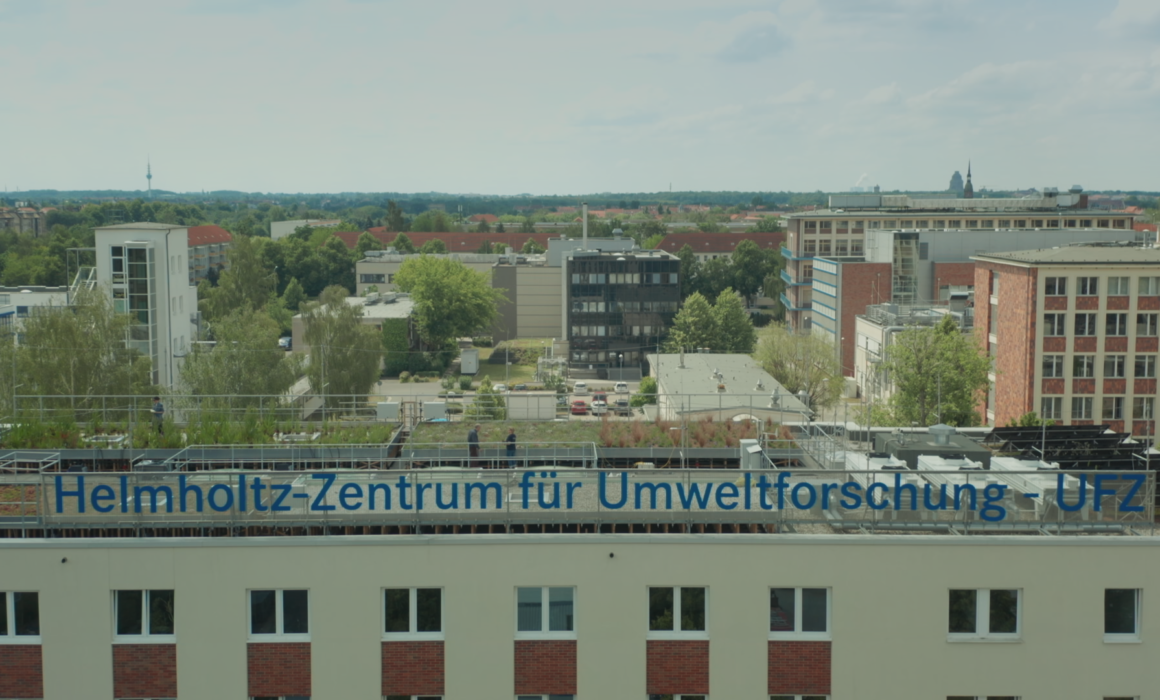
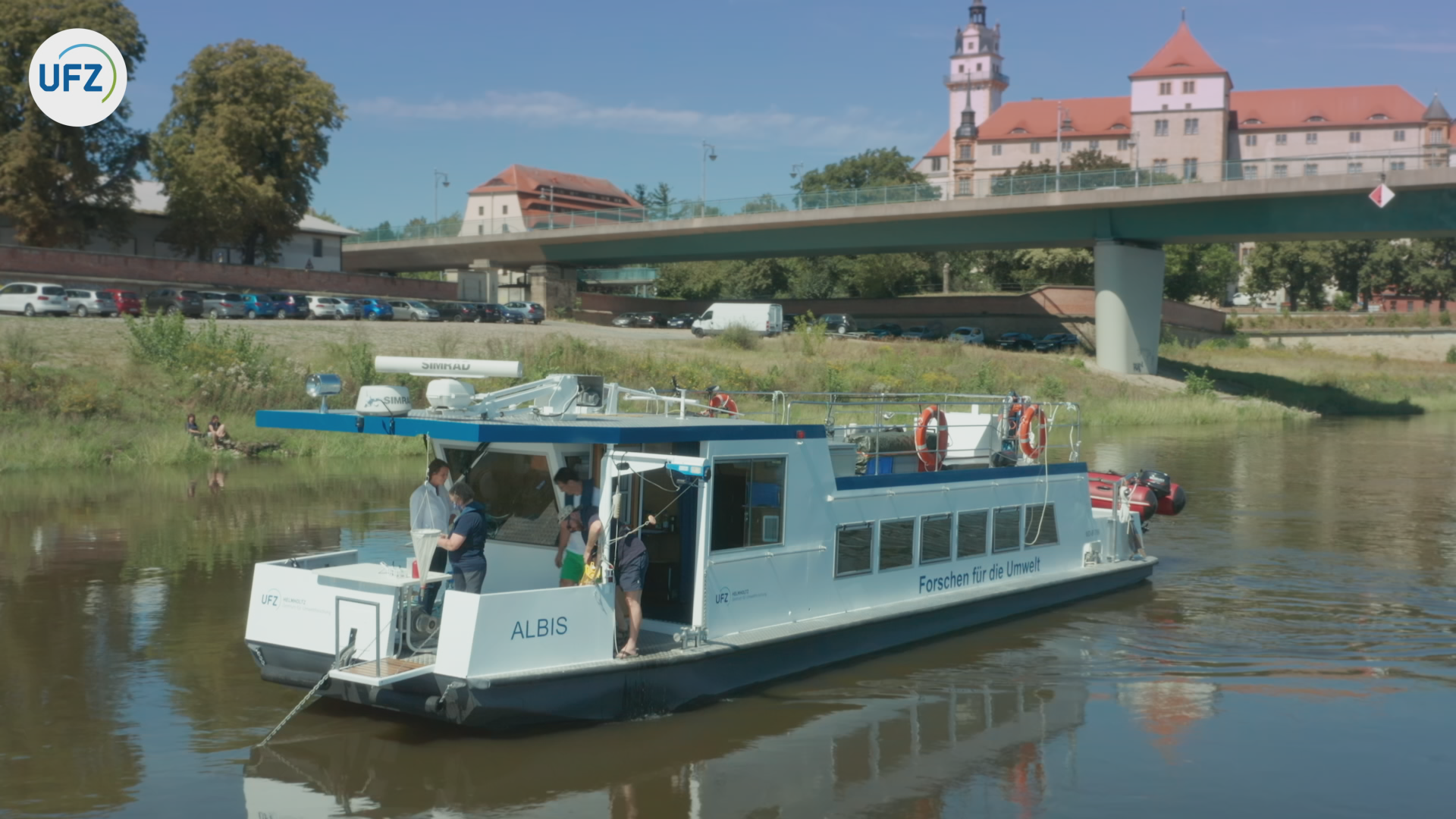
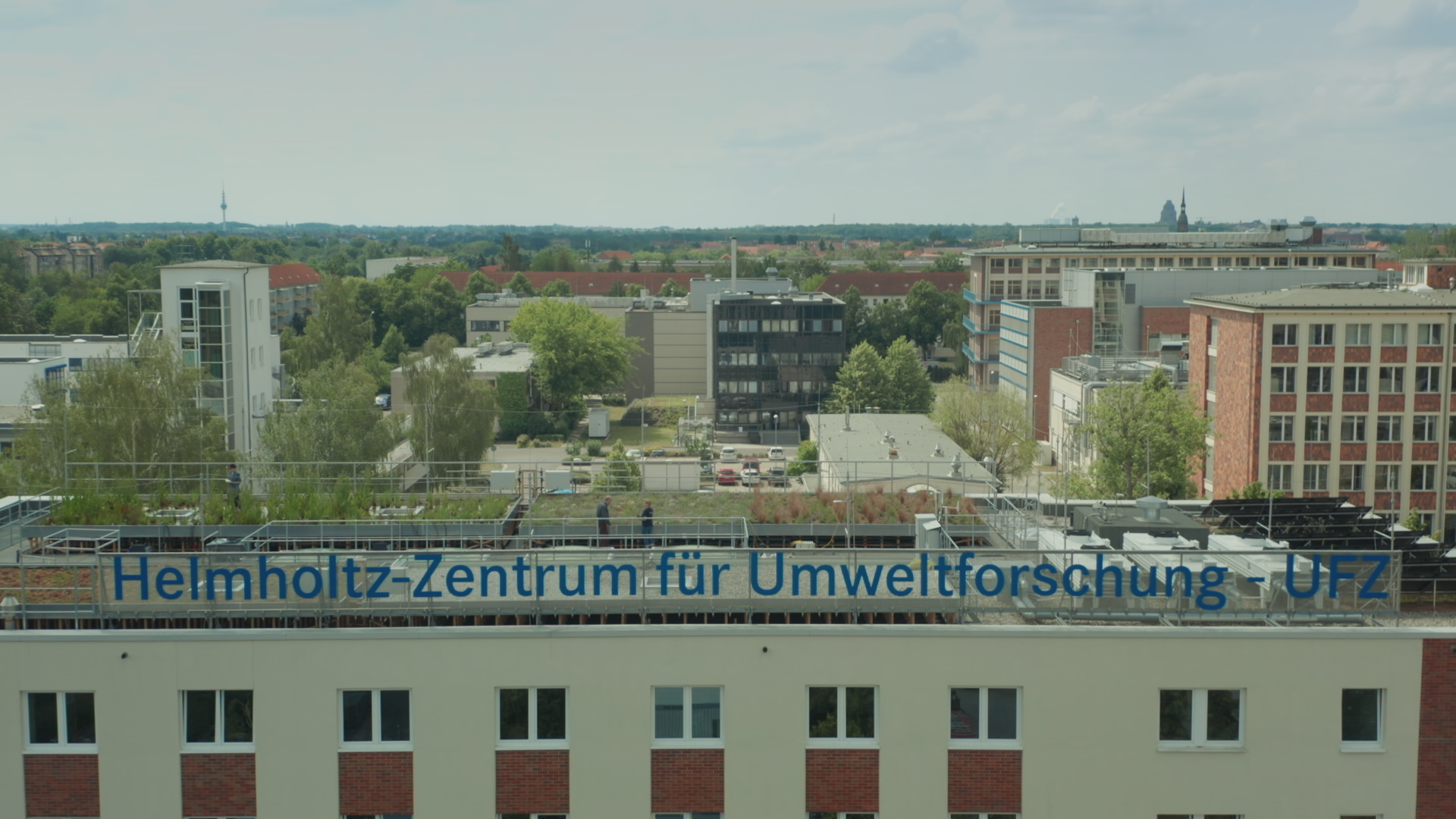
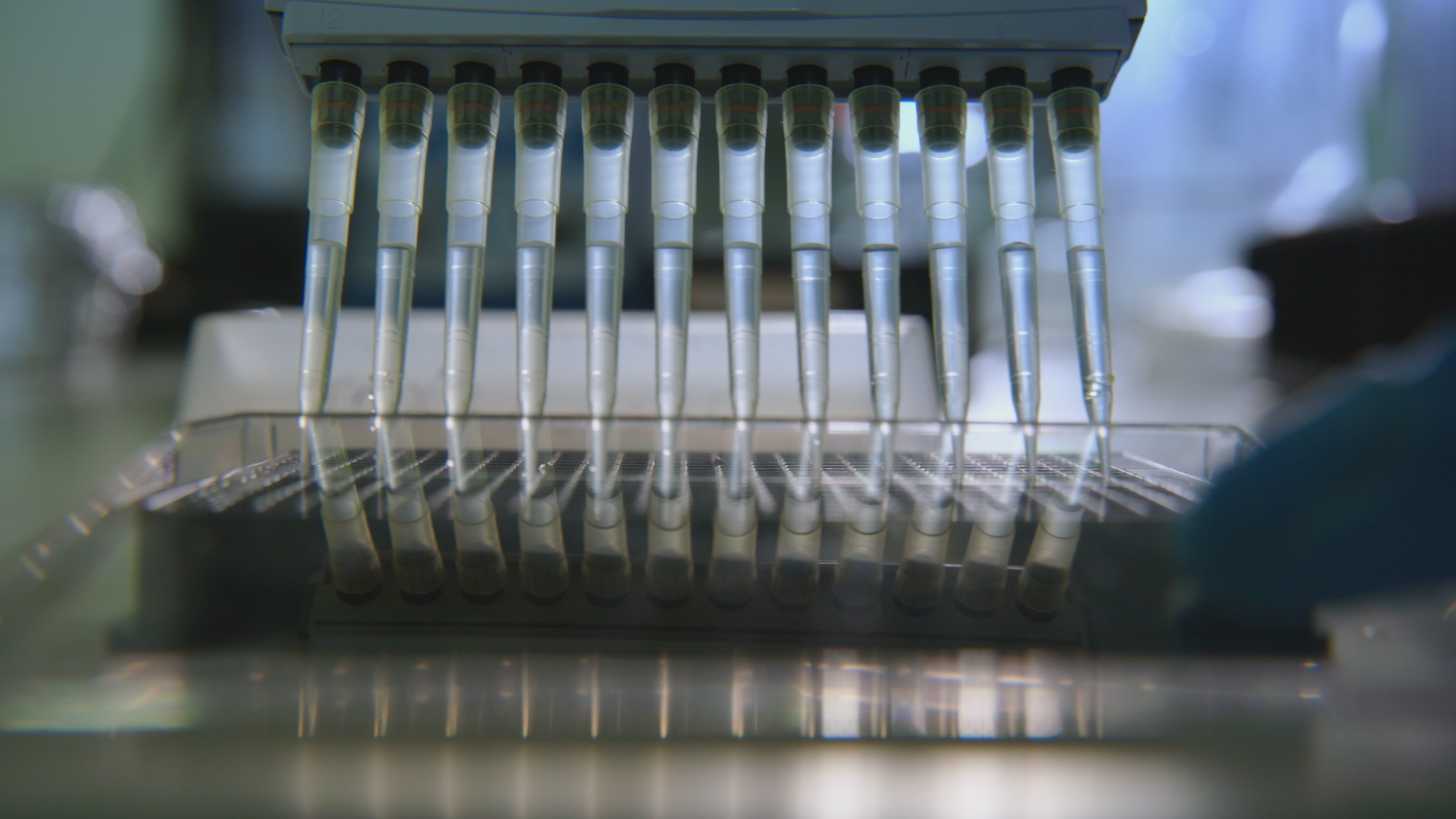
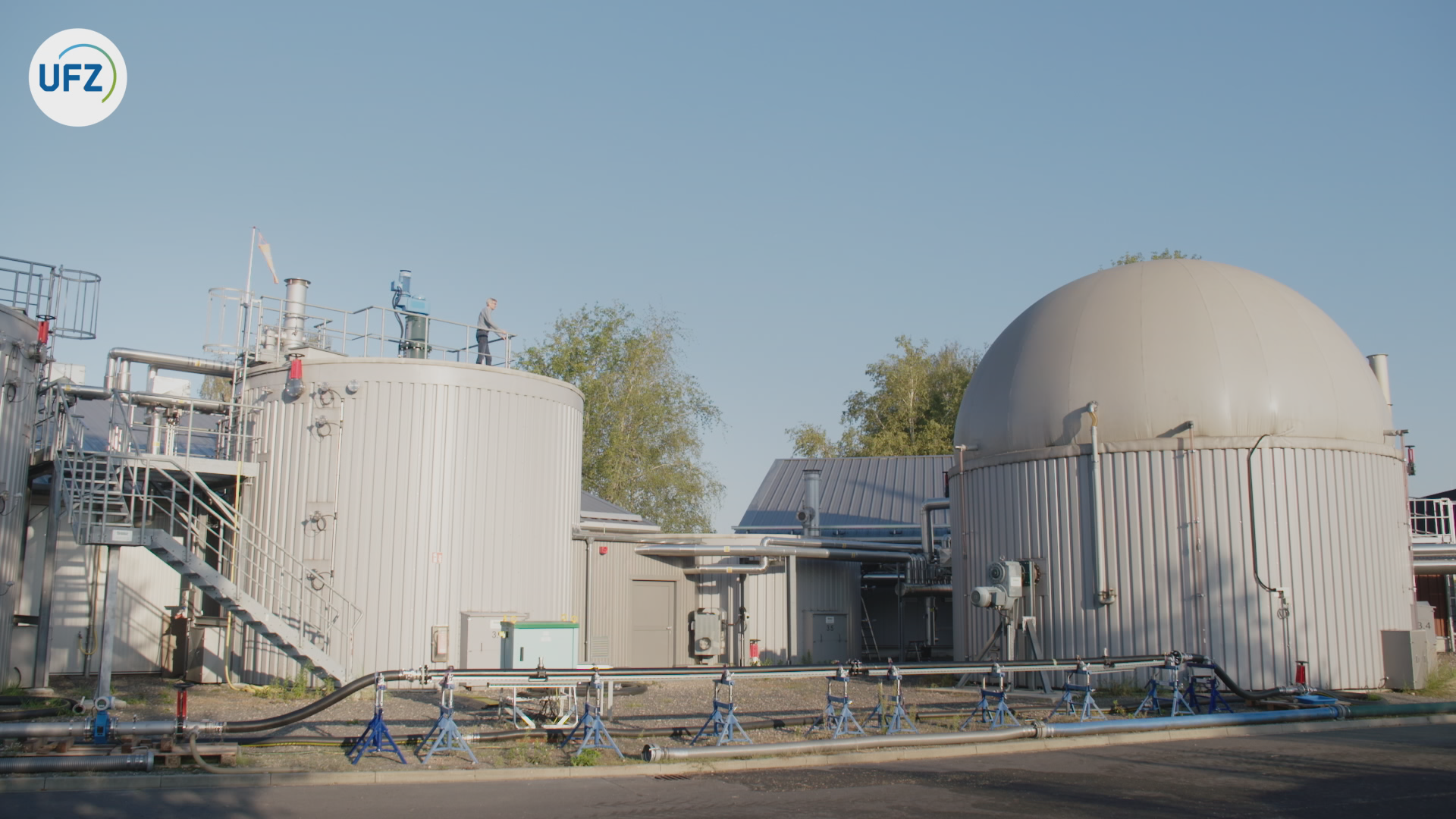
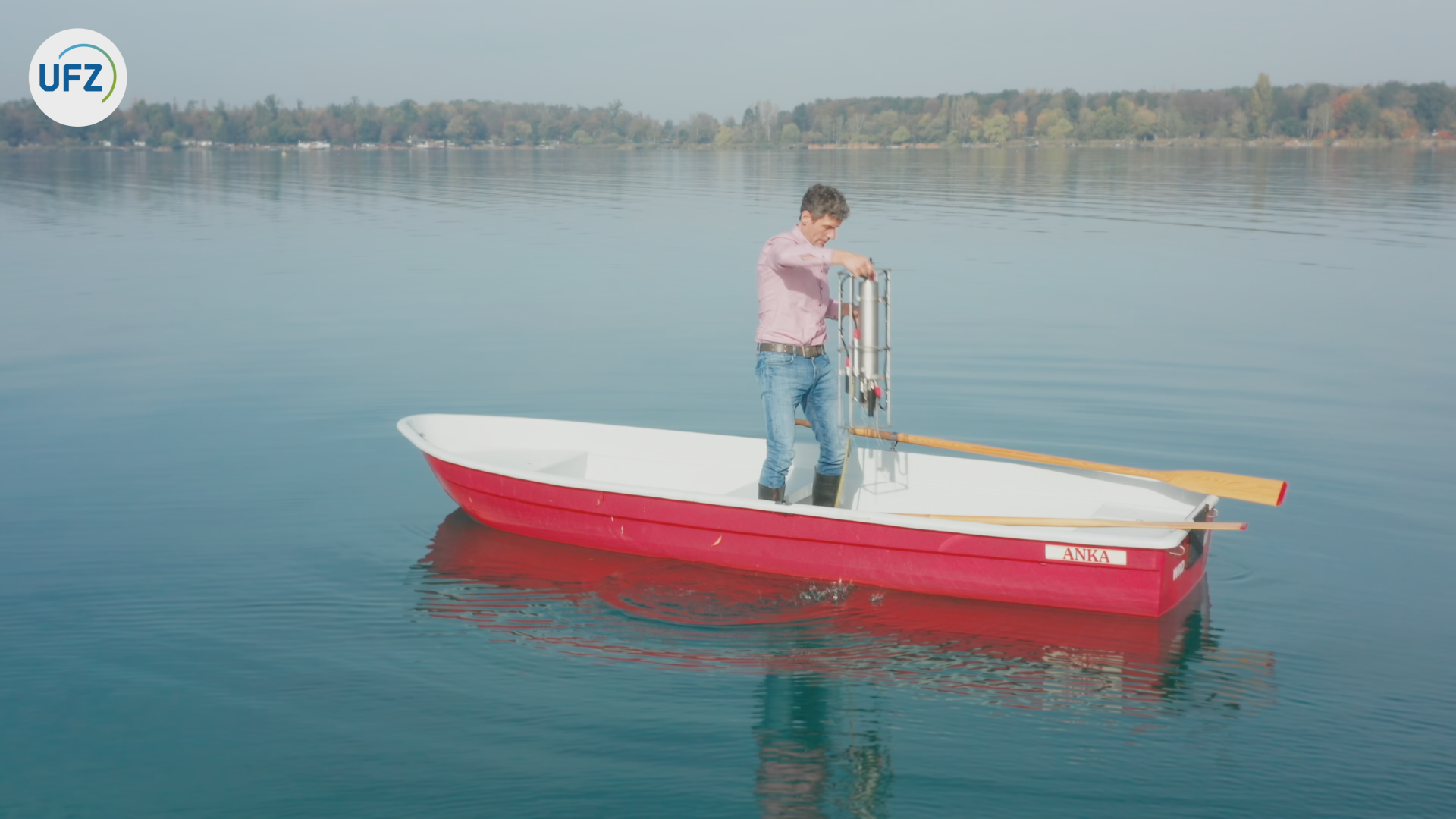
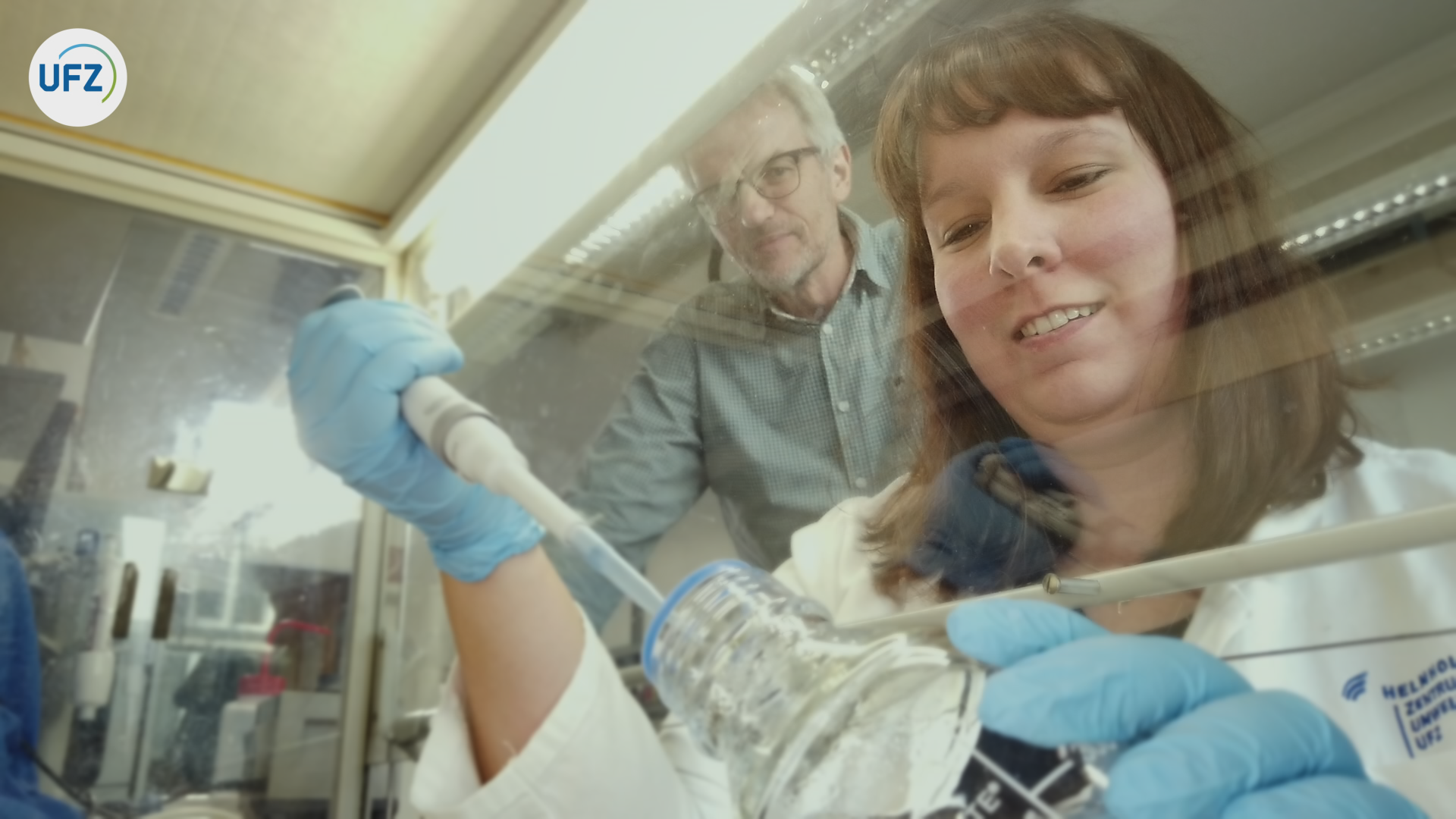
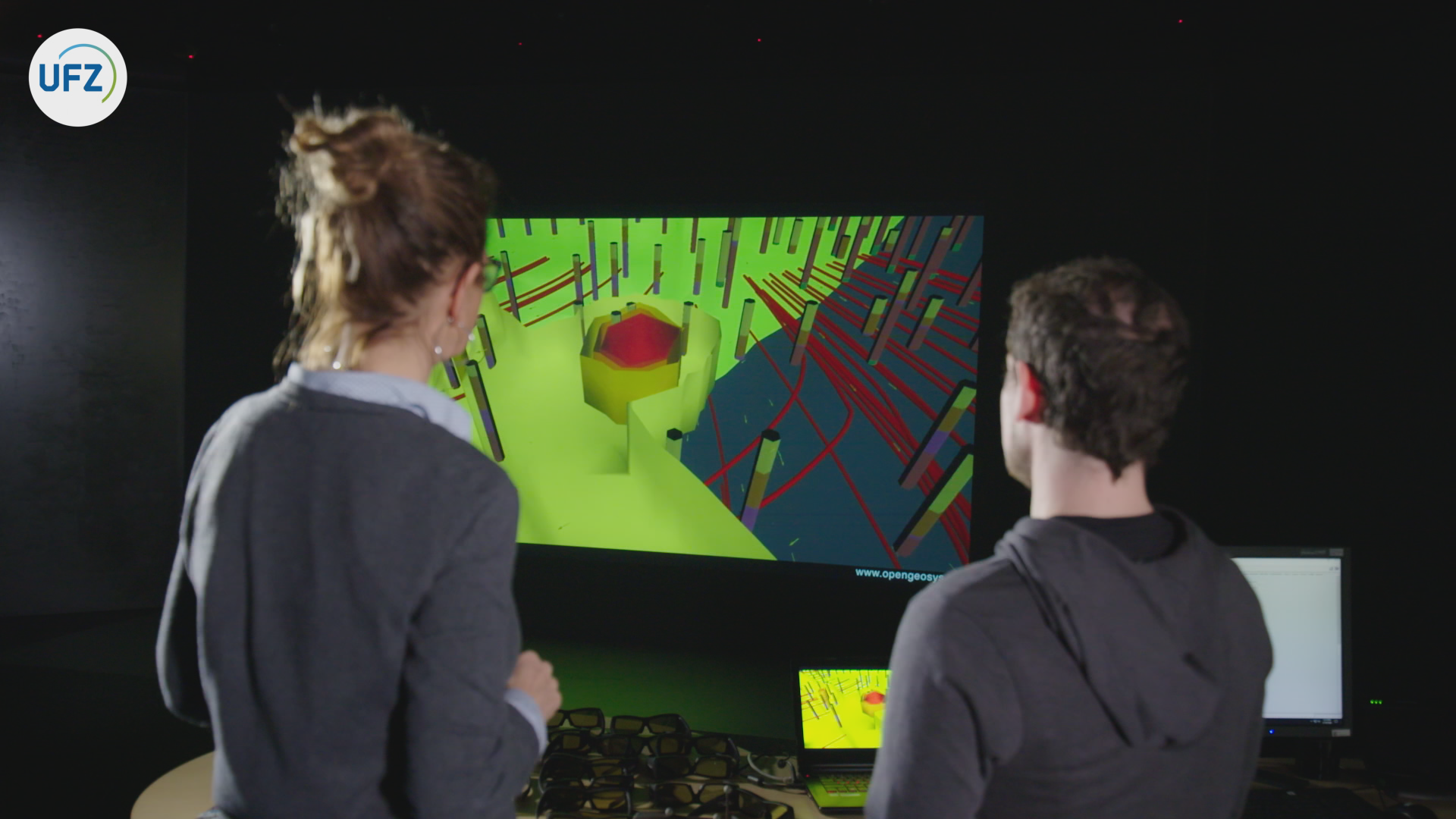
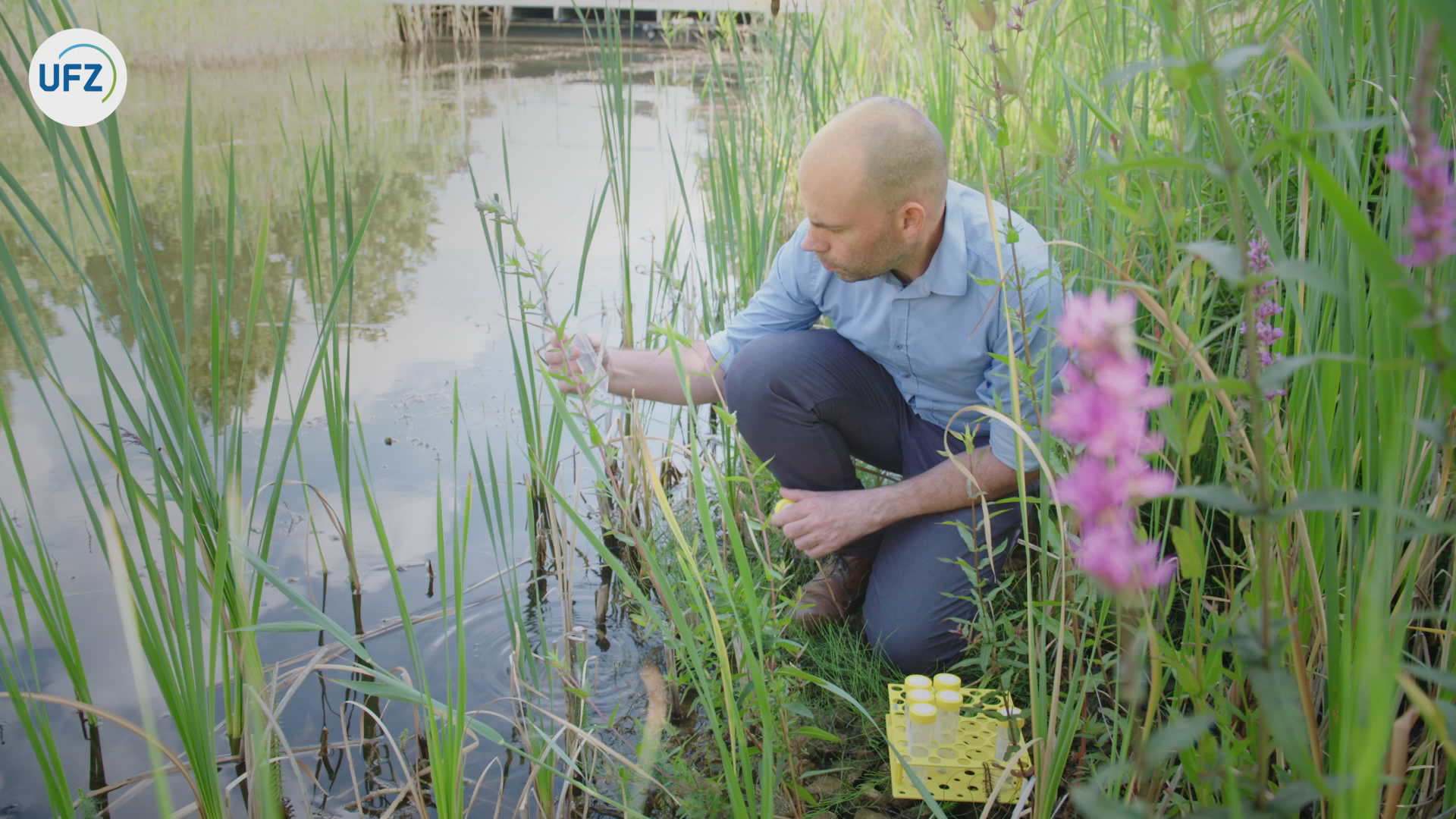
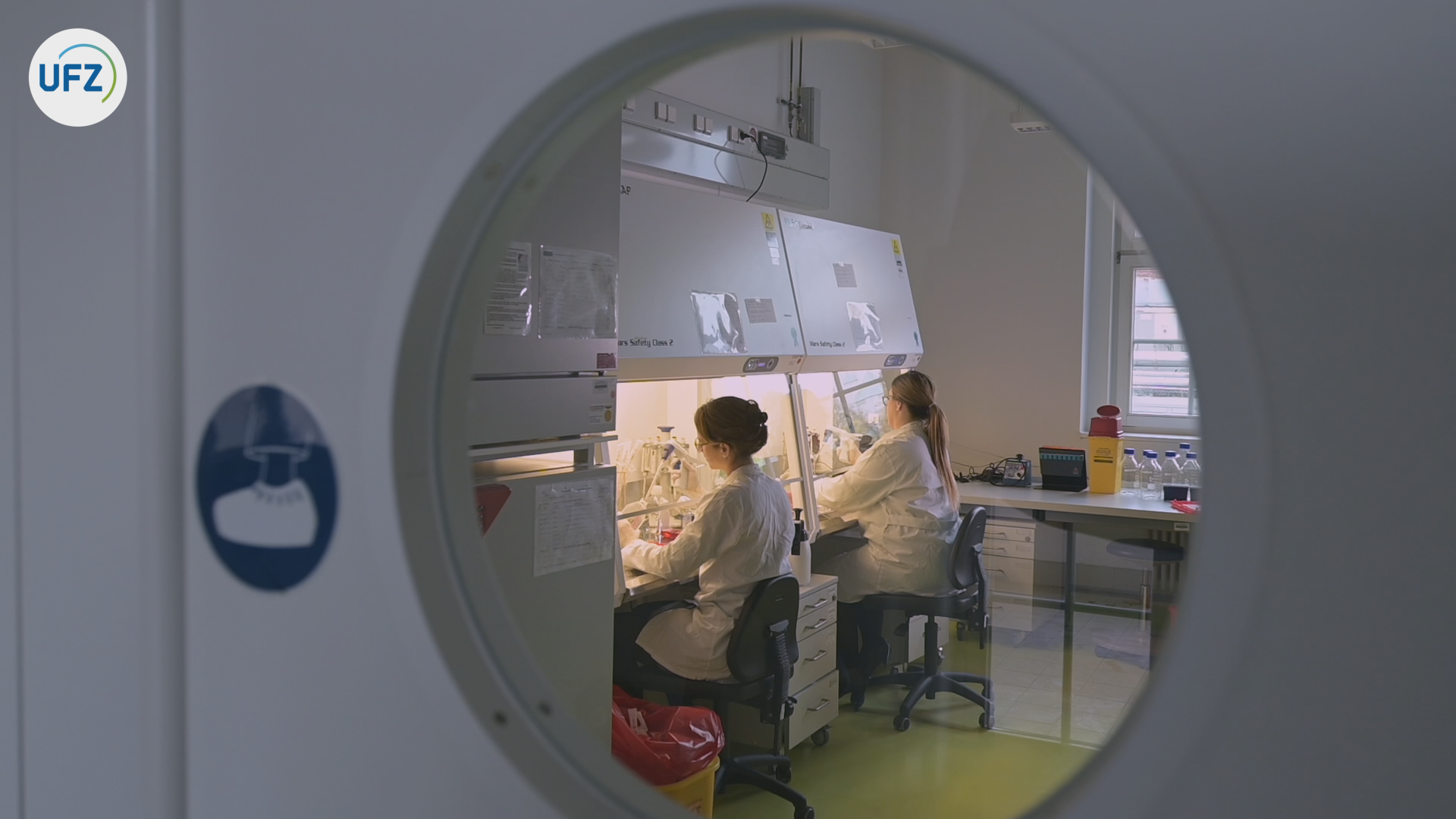
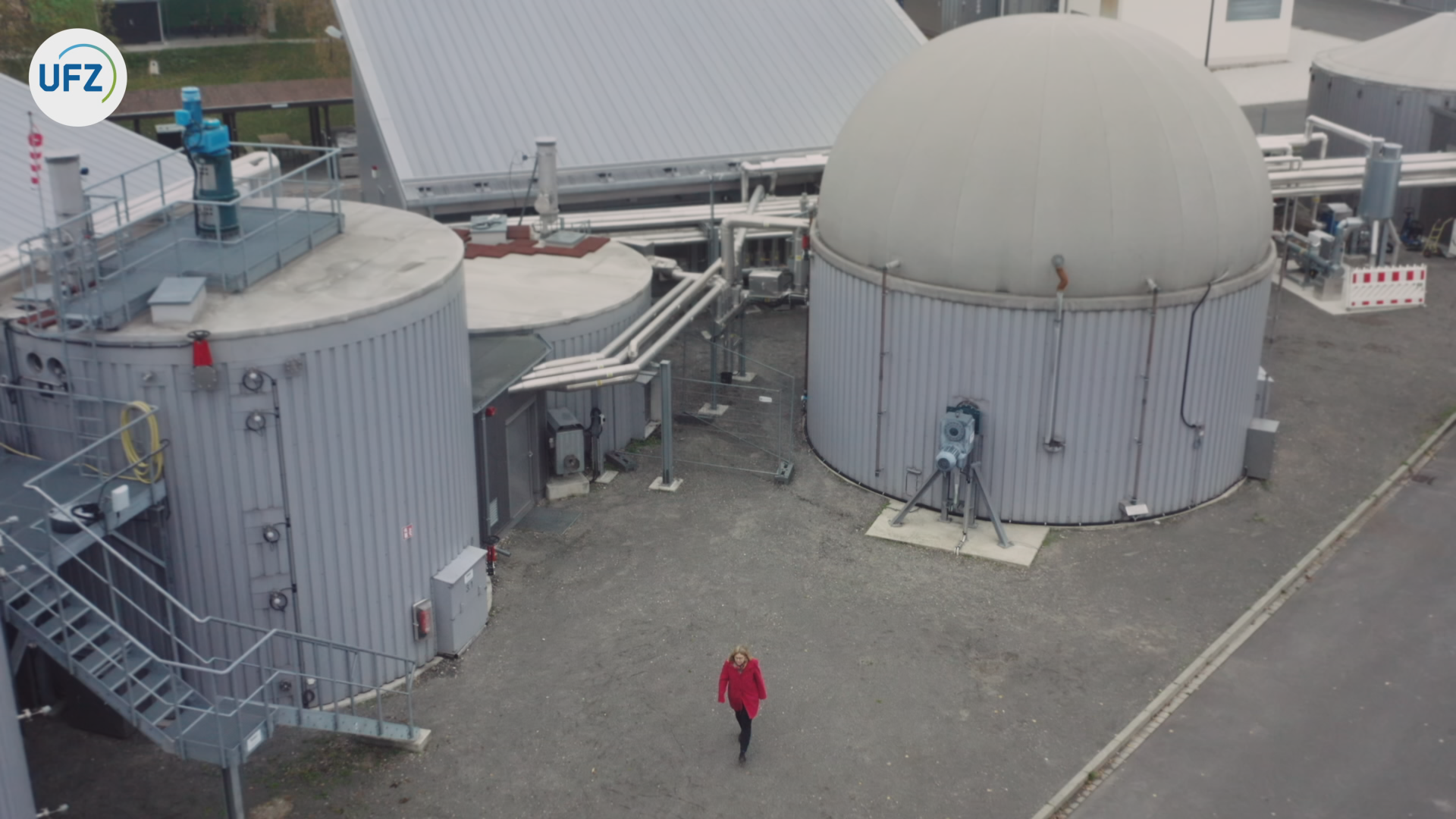
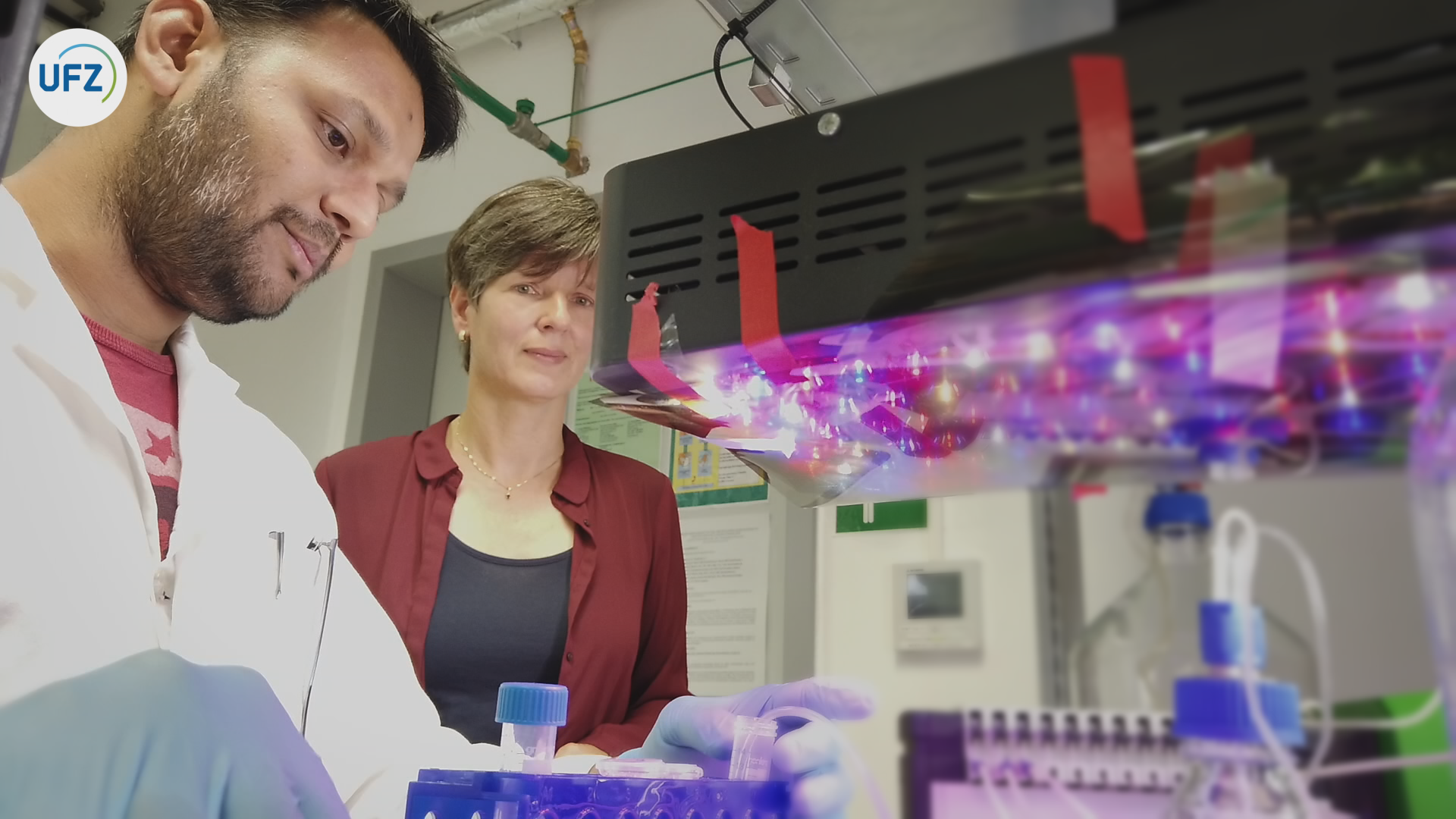
The Helmholtz Centre for Environmental Research (UFZ) in Leipzig and locations in Halle, Magdeburg, Bad Lauchstädt and Falkenberg has over 1200 employees who are concerned with the sustainable use of natural resources for the benefit of people and the environment. The scientists investigate various points of contact between humans and the environment. The central fields are: ecosystems of the future, water resources and the environment, chemicals in the environment, environmental technology and biotechnology as well as environment and society. In order to provide a deeper insight into the work of the UFZ and the scientists and to present the research of the institute, In One Media has been producing regular portrait films about individual UFZ staff members since 2019.


To the YouTube playlist

Governments

Steffen Reichert

Production

In one media

Technical data

Length: 2 to 3 min

Category

Image films and advertising

Share This

Suddenly Silence - Wildlife in the Pandemic
What to do when the spruces die? - The dispute over forest change

Exakt die Story: What to do when the spruces die?
What to do when the spruces die? - The dispute over forest change
  • 9 March 2022/
  • Posted by: Carolin Redenz/
  • 0 comments /
  • Under:
Exakt die Story: What to do when the spruces die?
0
Exakt die Story: What to do when the spruces die?
0
Exakt die Story: What to do when the spruces die?
0
Exakt die Story: What to do when the spruces die?
0
Exakt die Story: What to do when the spruces die?
0
Exakt die Story: What to do when the spruces die?
0
What to do when the spruces die? - The dispute over forest change

D 2022

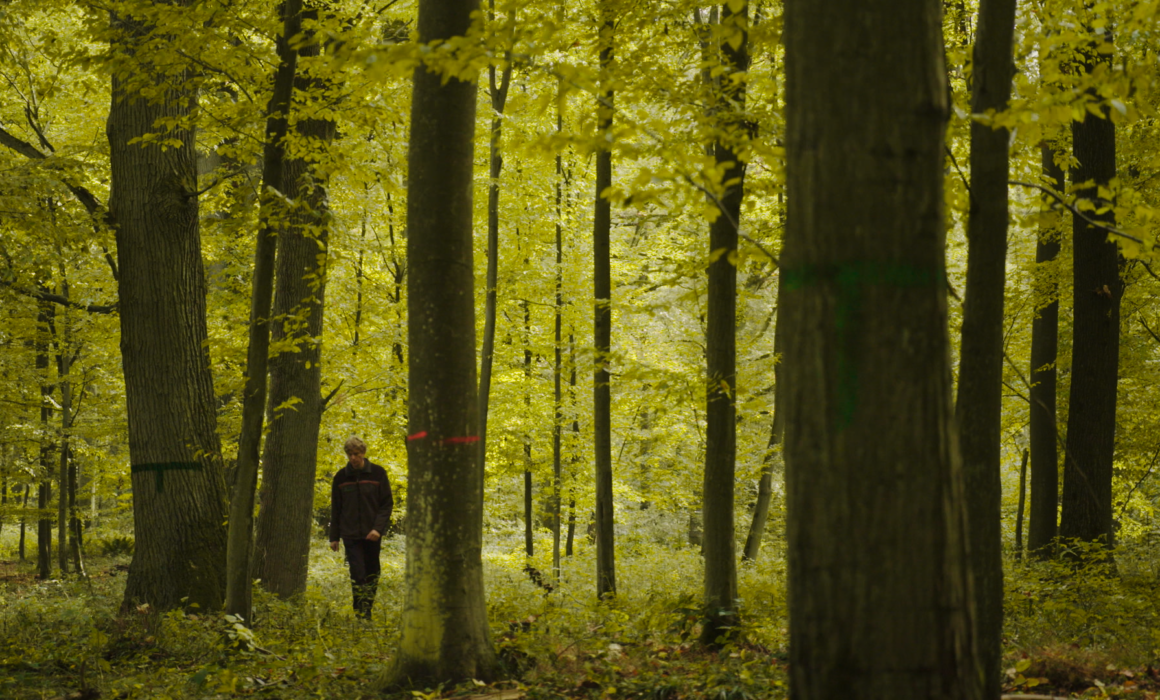
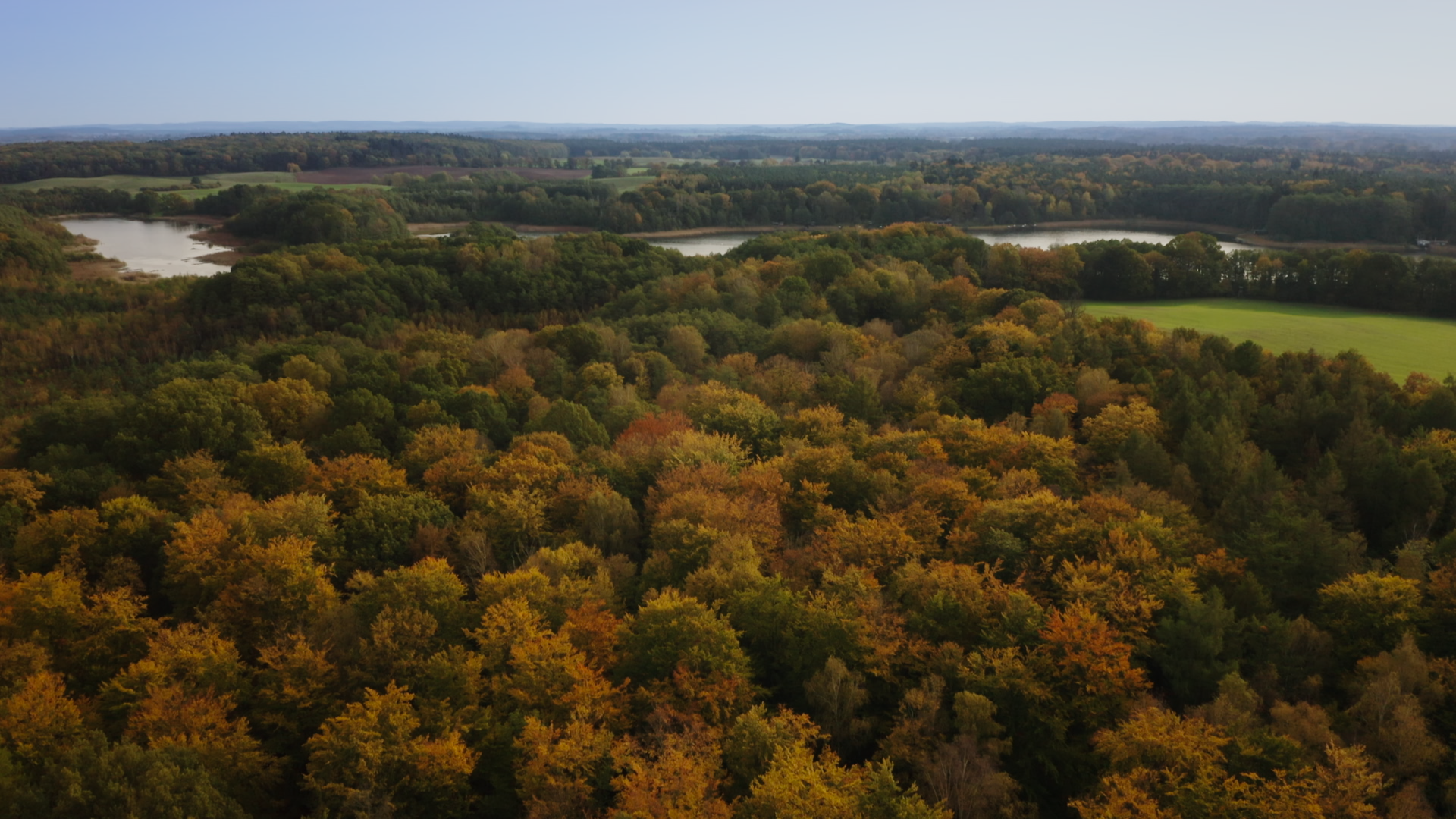
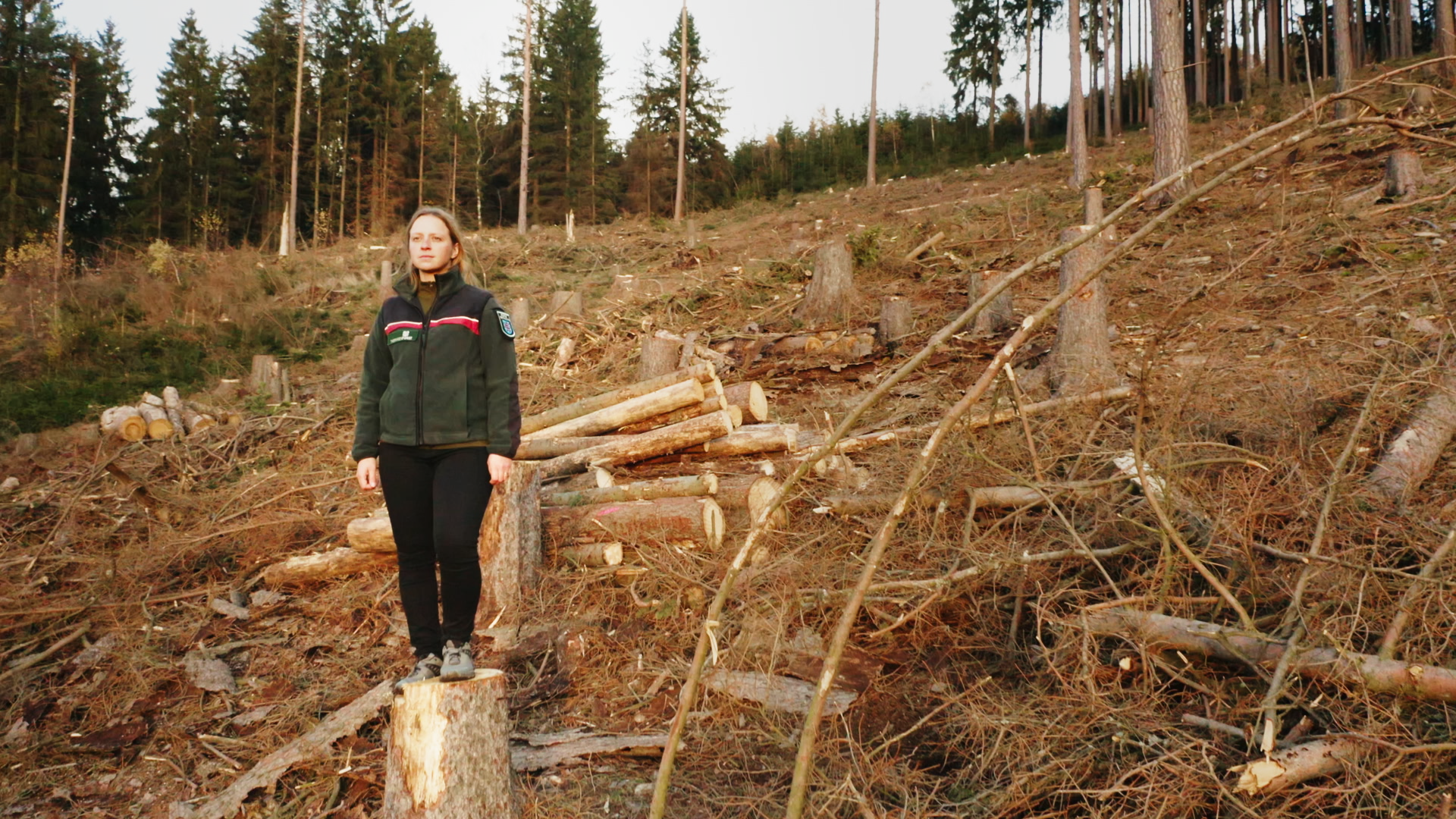
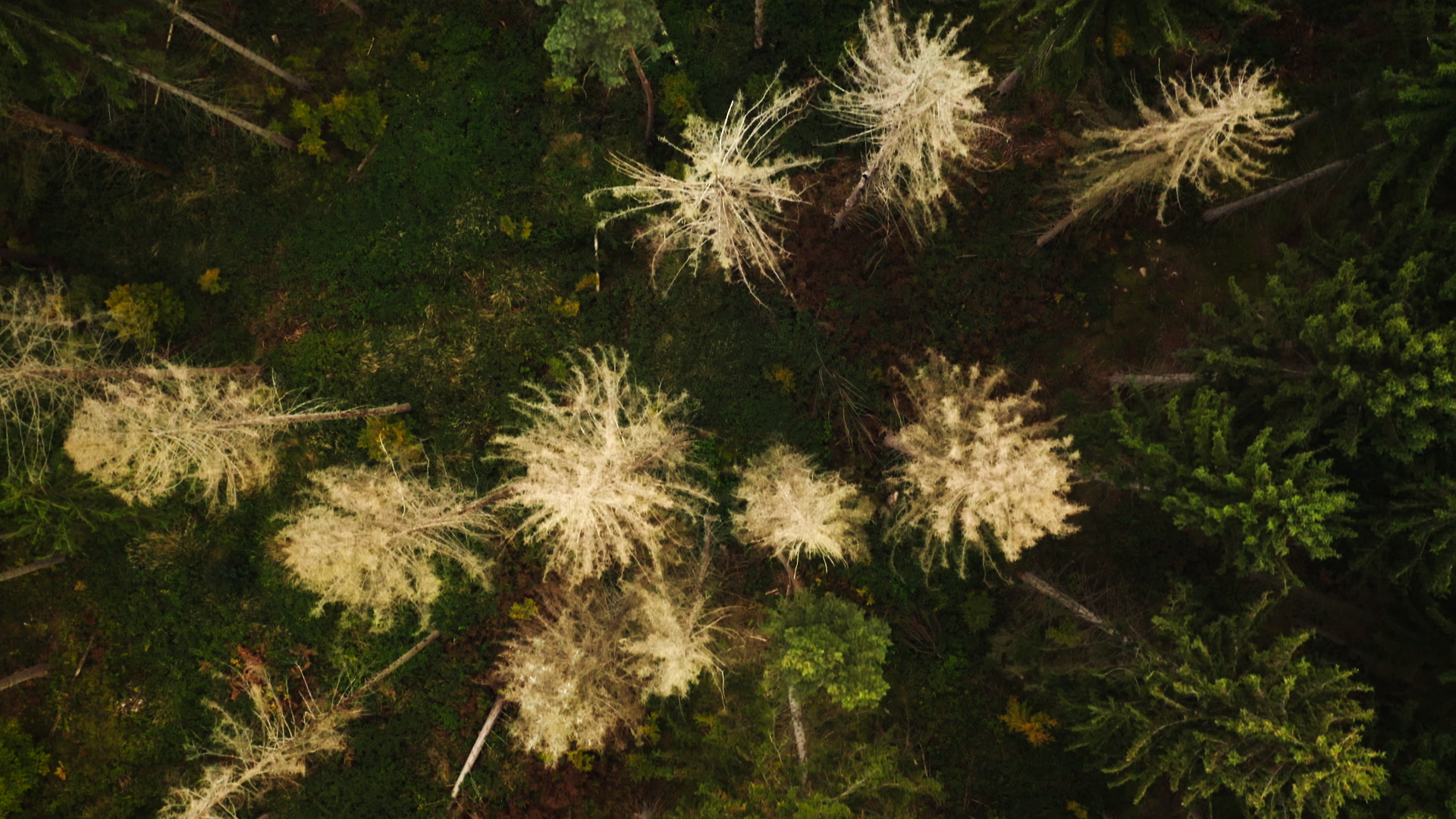
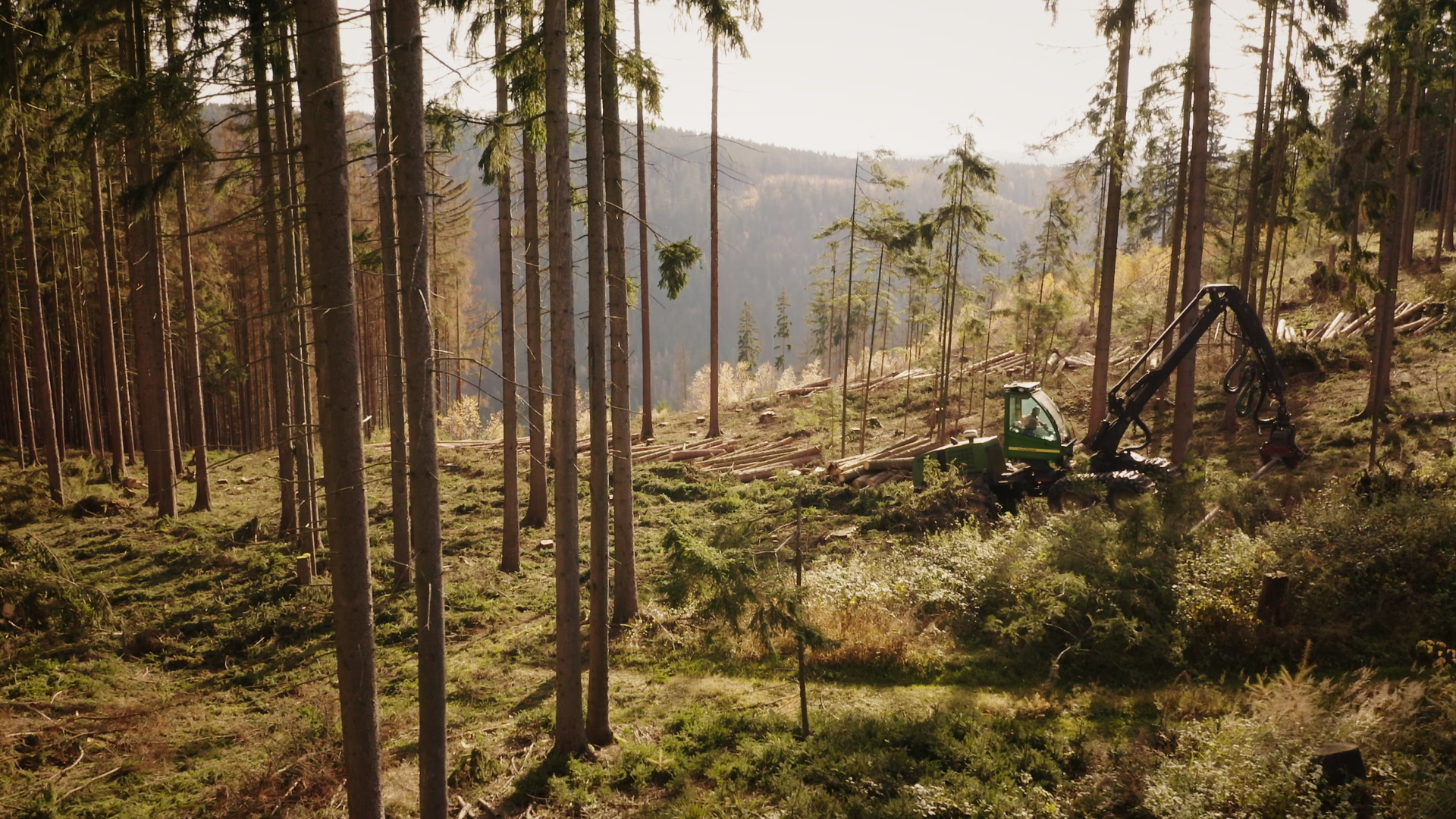
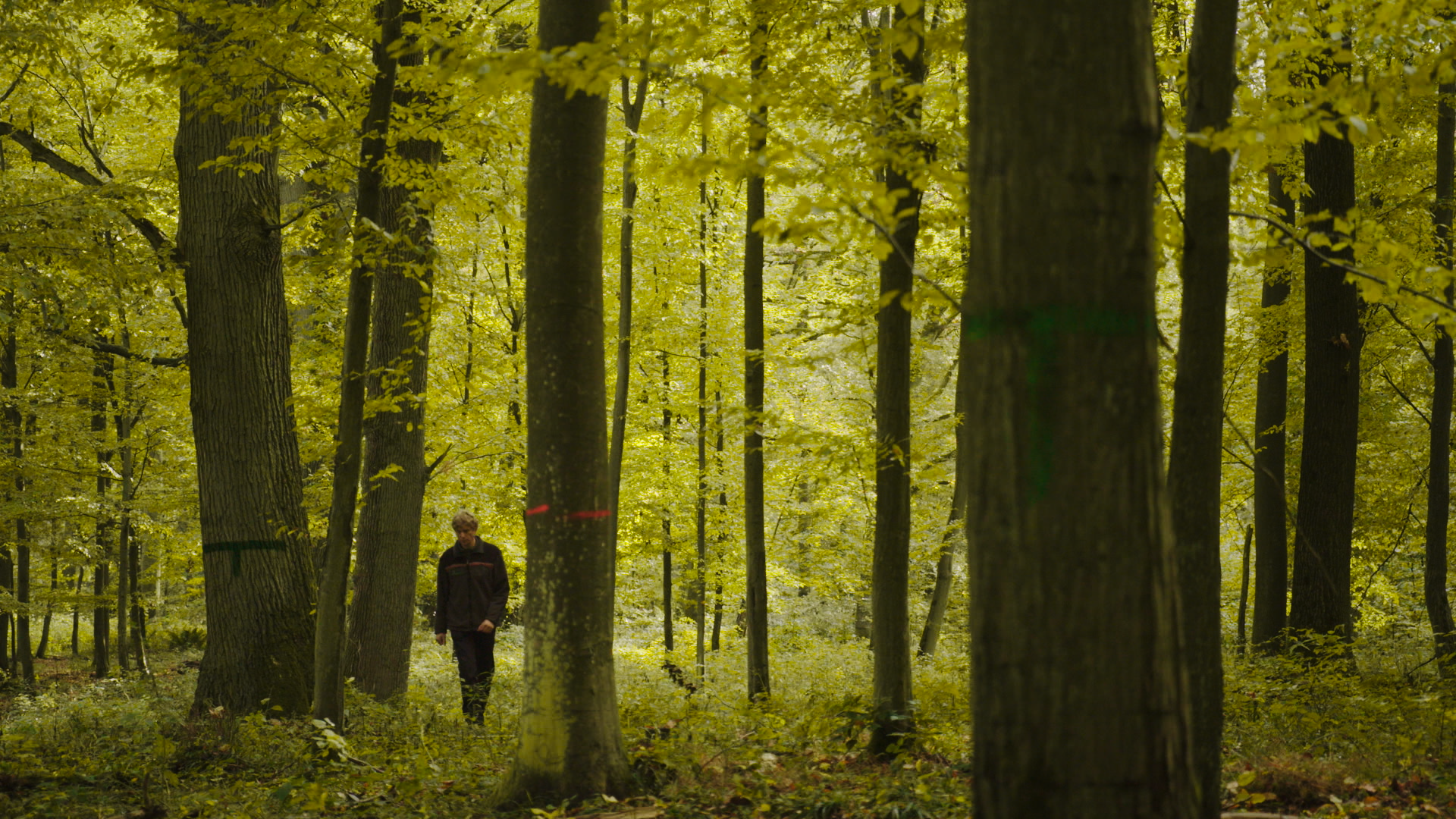
"We thought climate change was progressing gradually, like a dimmer switch on a floor lamp, but it's actually more like a toggle switch," says Katharina Pietzko, forestry office manager at Thüringenforst. She is currently seeing entire stands of spruce being sacrificed to clear-cutting. Due to drought and bark beetles, the shallow-rooted trees, which need a lot of water, have died in large areas all over Germany. "In 25 years," says Andreas Bolte of the Thünen Institute, "extrapolating the death of spruce, there is a possibility of this tree no longer existing in Germany." Yet spruce is the "bread tree" for the timber industry, processed into roof trusses, bookshelves, wooden pallets, wood chips. The forest, hoped-for saviour in climate change, could now become its victim.

Forests are thus becoming a contested bastion between the timber industry and nature conservation. Forests are supposed to help lower carbon dioxide levels, for one thing. They are supposed to satisfy the ever-increasing hunger for wood. They are supposed to cool the landscape in the coming hot seasons. As renewable energy, they are supposed to relieve the consumption of fossil fuels. And be a habitat for animals and plants, a place of recreation for people. How can the forest do all of this? Ecological and economic demands seem to compete irreconcilably with each other.

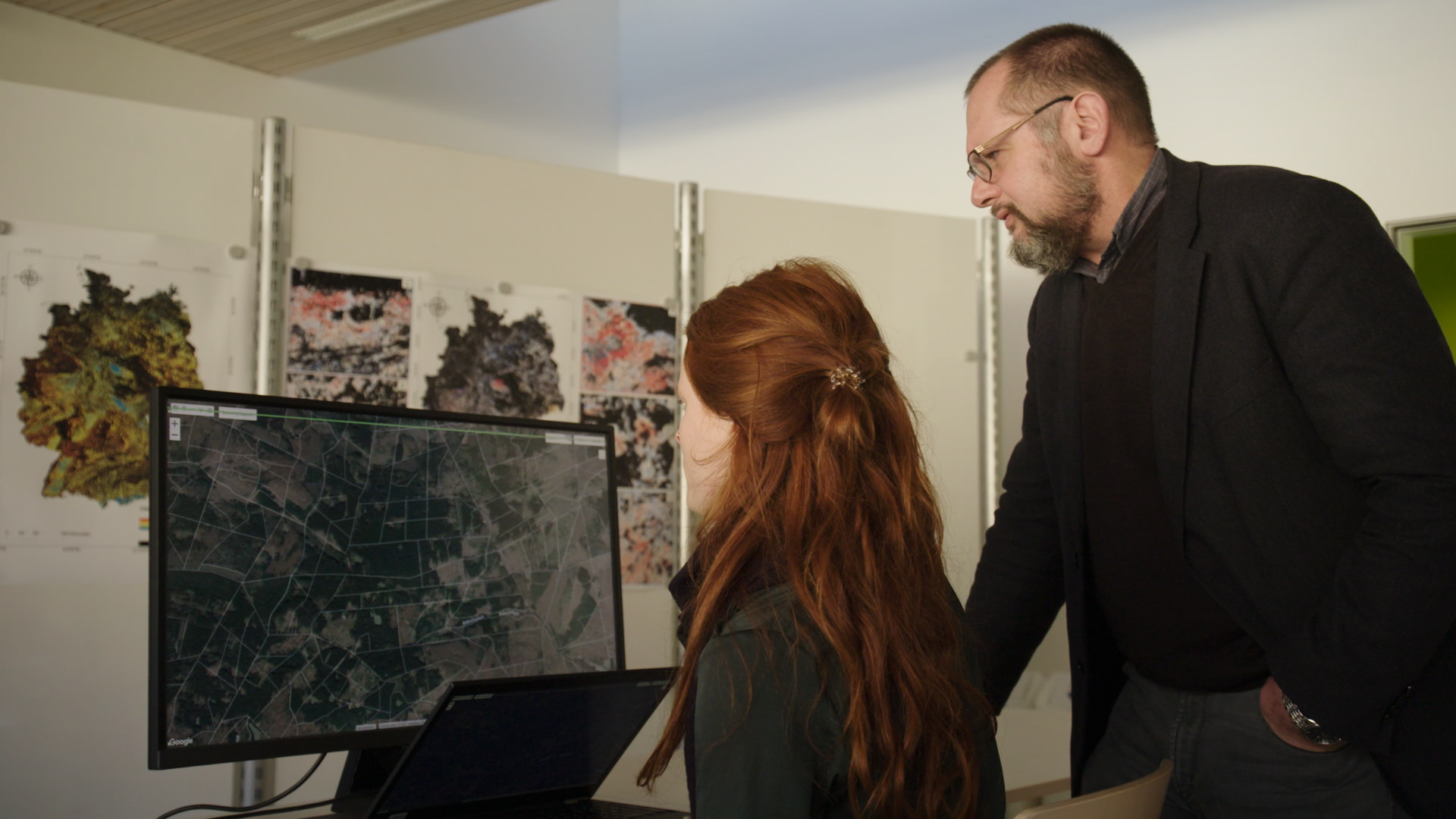
To explore this conflict, "Exakt die Story" is on the road with foresters, forest owners and scientists in Thuringia, Saxony-Anhalt and Brandenburg. The forest experts show how forestry works and how management can also harm the forest. They talk about what a near-natural forest is for them and how it can be made strong for the new climate. Their insights into the tree species of the future are a topic, as are the future rewards for forest farmers. They are all engaged in a sometimes very controversial debate in search of a common goal: the right plan for a sustainably healthy forest.

The production "What to do when the spruces die?" was created in collaboration with the author Katharina Beck.

Link to the media library

Governments

Katharina Beck

Production

In one media

Technical data

30 min

Category

Documentaries and television reportage

Share This

UFZ Portrait Films
The Presidents' Tailor

1234
Latest Posts
  • „Wir sind auf der Bahn“ – Ein essayistischer Dokumentarfilm 23. April 2026
  • ARD documentary “What Allergy Do You Have?” – Airing on April 13, 2026 April 2, 2026
  • Our documentary "Piranesi – Architect of the Imagination" on January 17 on ARTE January 12, 2026
Categories
  • General
  • Awards
  • Events
  • Festivals
  • Film Release
  • TV-Transmission
  • Stephanstraße 8, 04103 Leipzig
  • +49 (0)341-46262710
  • Info@inonemedia.de
  • Imprint
  • Privacy Policy
  • Contact
SOCIAL MEDIA

Copyright in one media 2017
In One Media
Design by ARTKOLCHOSE