

What kind of allergy do you have?
D 2026
Early summer—for many, the most beautiful time of the year. Everything is in bloom and fragrant. We’re drawn outdoors to enjoy the sun and nature. But that’s exactly when millions of people experience the most agonizing time of the year: they suffer from pollen allergies, or hay fever.
Allergies are among the most common diseases worldwide today, and the number of people affected is rising. In Germany, about one-third of the population is already affected. By 2050, half of the world’s population could be suffering from allergic diseases—meaning one in two people in Germany. But why are allergies increasing so dramatically? What happens in the body? What role do the environment, climate change, our diet, and lifestyle play? Where do medicine and research stand?
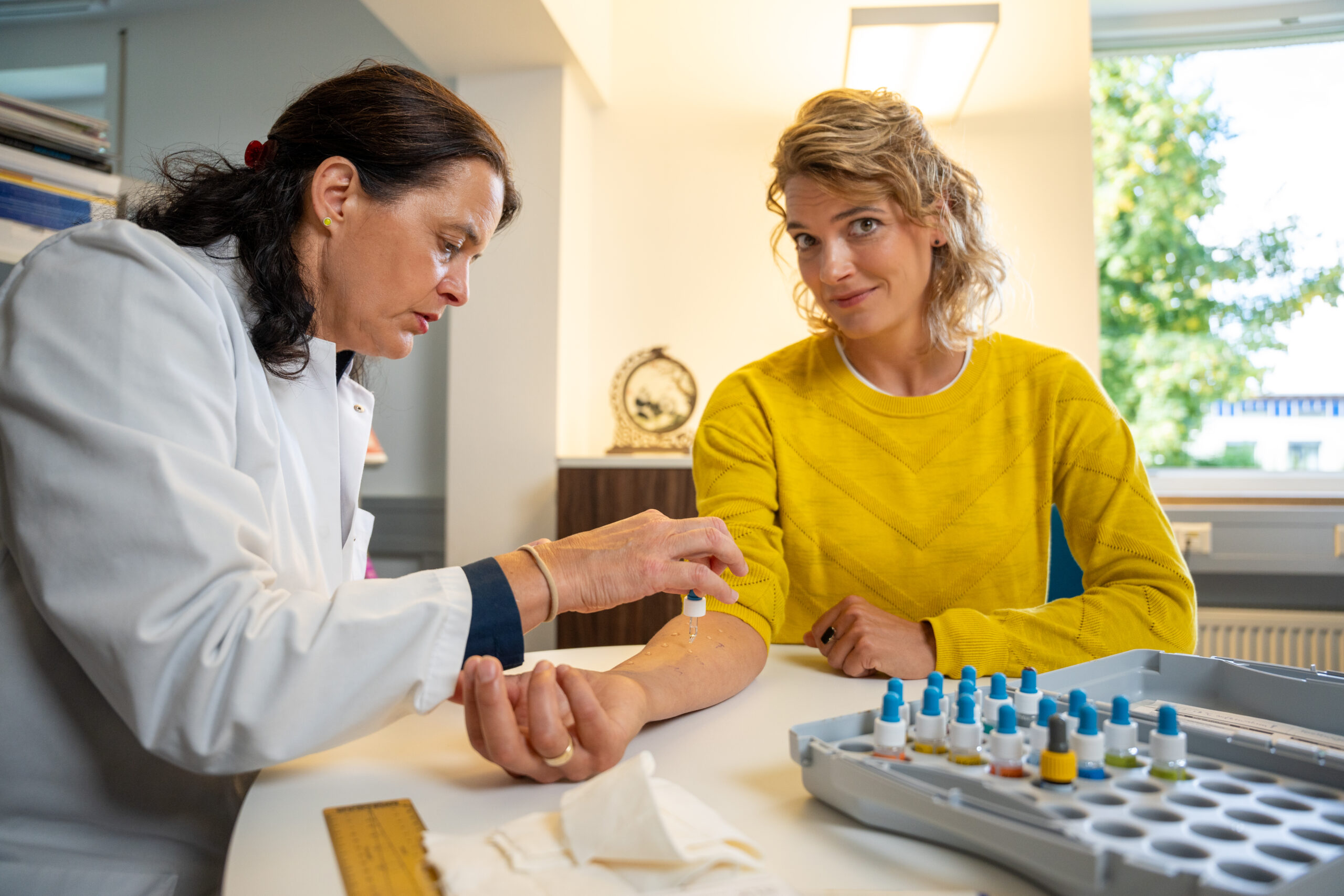
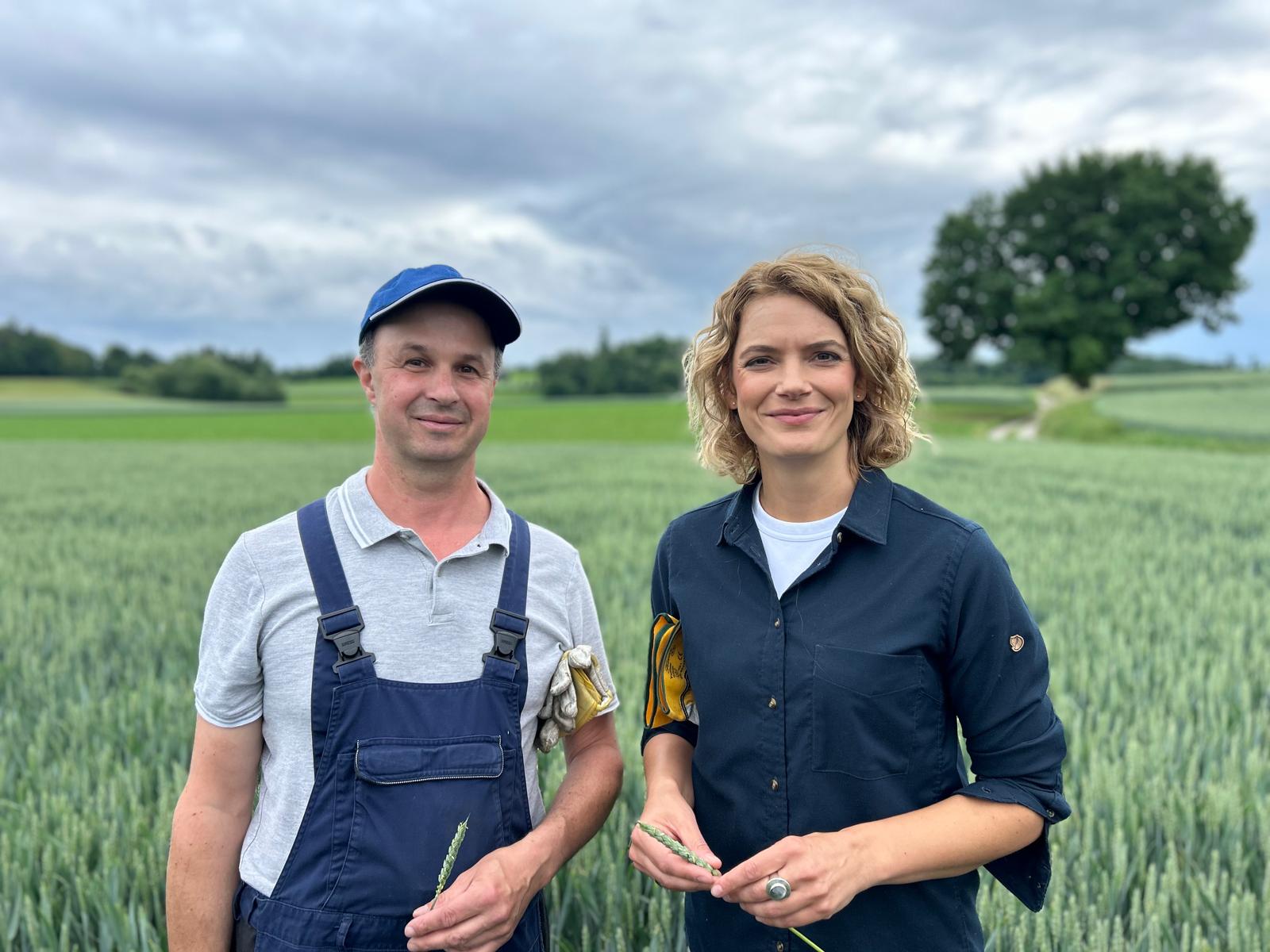
Science journalist and trained biologist Lena Ganschow explores these questions. For the ARD WISSEN program “Auf Spurensuche,” she speaks with people affected by these conditions. She meets a tax consultant who suffers from multiple allergies, has undergone many unsuccessful treatments, and is now experiencing relief for the first time thanks to a new therapy. She visits a farmer with hay fever and a cattle hair allergy who had to restructure his business due to his allergies—as well as a young woman with a food allergy who now only eats what she has cooked herself. No restaurant visits, and she even turns down invitations to eat at friends’ homes. Her fear of an allergic shock is simply too great.
The film focuses primarily on pollen allergies (hay fever) and food allergies. To explore these topics, Lena Ganschow interviews two of Germany’s most renowned allergy researchers: Prof. Claudia Traidl-Hoffmann, professor of environmental medicine at the University of Augsburg and director of the Institute of Environmental Medicine at the Helmholtz Zentrum München, and Prof. Torsten Zuberbier, director of the Institute of Allergy Research at Charité Berlin, president of the Global Allergy and Asthma Excellence Network, and chairman of the European Centre for Allergy Research Foundation (ECARF).
Zuberbier and his team are studying the gut microbiome to understand how modern lifestyles and diets might be linked to the development of allergies. Traidl-Hoffmann is investigating the effects of climate change on pollen and, consequently, on pollen allergies.
This film shows that allergies are the result of a complex interplay between the immune system, the environment, climate, lifestyle, and modern civilization. With better education, smart prevention, new diagnostic tools, and innovative treatments, there is a real chance that we will be able to better manage the widespread problem of allergies in the future.
Client
ARD/ MDR
Governments
Ulrike Reiß, Marcus Fitsch
Production
In one media
Technical data
45 min